
In May 2025, the Catholic Church welcomed a new shepherd: Pope Leo XIV, formerly known as Robert Francis Prevost. His first encyclical, Magnifica Humanitas (Latin for “Magnificent Humanity”), has already sparked conversations across the Christian world. What makes this document stand out is not just its theological depth, but its use of vivid literary imagery—including a surprising reference to J.R.R. Tolkien’s Gandalf. As an ecumenical platform, EncuentraIglesias.com explores how this encyclical speaks to all Christians, inviting us to reflect on hope, faith, and the slow work of rebuilding our communities.
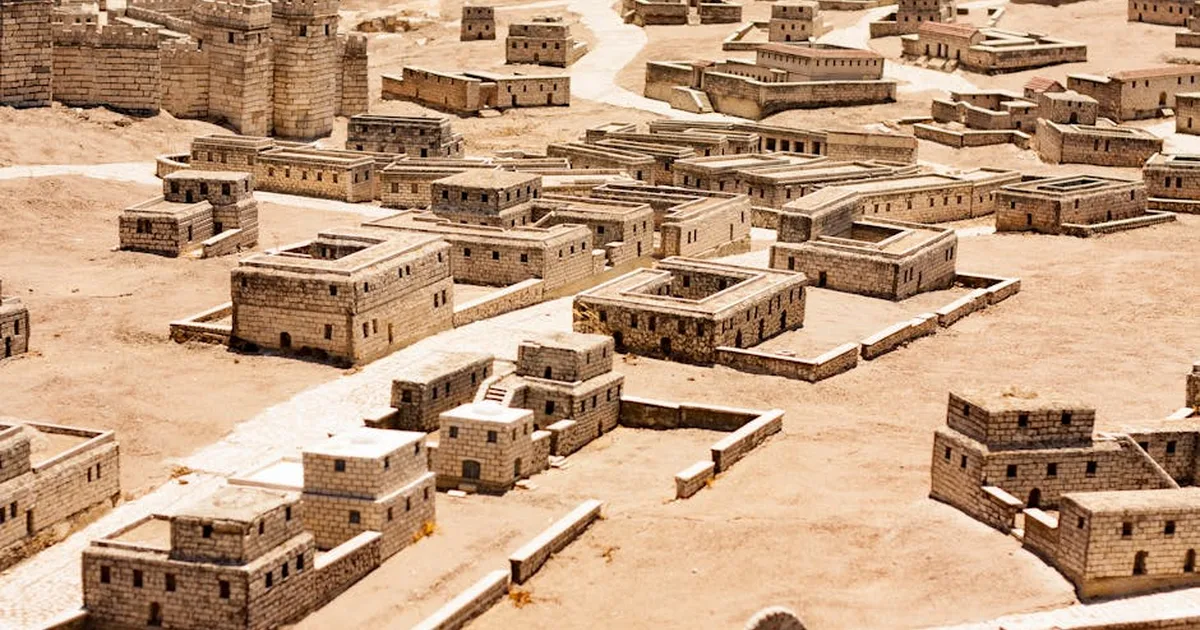
The Tower of Babel and the Wall of Jerusalem
At the heart of Magnifica Humanitas are two contrasting images: the Tower of Babel and Nehemiah’s reconstruction of Jerusalem’s walls. The Tower of Babel (Genesis 11:1-9) represents humanity’s prideful attempt to reach heaven on its own terms—a project that ends in confusion and division. In contrast, Nehemiah’s story (Nehemiah 2-6) shows a people humbly rebuilding under God’s guidance, stone by stone, despite opposition.
Pope Leo XIV draws a sharp parallel to our own era. “We face a choice,” he writes, “between the glittering illusion of self-sufficient power and the patient labor of love that builds true community.” This resonates deeply in a world fragmented by polarization, inequality, and environmental crisis. The encyclical calls Christians to reject the Babel model of top-down, prideful ambition and instead embrace the Jerusalem model of collaborative, prayerful reconstruction.
Why Gandalf Appears in an Encyclical
The reference to Gandalf comes from The Lord of the Rings, where the wizard says to Frodo: “All we have to decide is what to do with the time that is given us.” Pope Leo uses this quote to emphasize that hope is not passive waiting but active decision-making. “Like Gandalf, we are called to guide others toward the light, even when the path is dark,” the encyclical states.
This literary choice is intentional. The pope, an Augustinian friar, has long appreciated how stories can convey spiritual truths. By citing a beloved character from modern fiction, he bridges the gap between ancient Scripture and contemporary culture. For many Christians, Gandalf’s wisdom echoes biblical themes of stewardship and faithfulness—for example, Jesus’ parable of the talents (Matthew 25:14-30), where servants are entrusted with resources and expected to act wisely.
Biblical Foundations: Hope in Action
Magnifica Humanitas is rooted in Scripture, particularly the prophetic call to “build up the ancient ruins” (Isaiah 58:12). The encyclical reminds us that hope is not a vague optimism but a concrete commitment to God’s kingdom. As the apostle Paul writes in Romans 8:24-25 (ESV): “For in this hope we were saved. Now hope that is seen is not hope. For who hopes for what he sees? But if we hope for what we do not see, we wait for it with patience.”
Pope Leo connects this patience to the work of justice. He argues that rebuilding society requires addressing systemic sins—poverty, racism, environmental degradation—with the same perseverance Nehemiah showed when he faced mockery and threats. “The wall of Jerusalem was not built in a day,” the encyclical notes, “nor will the civilization of love be established overnight.”
An Augustinian Perspective
As an Augustinian, Pope Leo draws on St. Augustine’s vision of two cities: the City of God and the City of Man. The encyclical suggests that Christians are pilgrims who live in both cities, called to transform the earthly city with heavenly values. This is not a withdrawal from the world but an engagement with it—similar to the yeast that leavens the whole dough (Matthew 13:33).
Augustine’s concept of “ordered love” also surfaces: we are to love God above all and love our neighbors as ourselves. When this order is disrupted, we build towers of Babel. When it is restored, we build communities of shalom.
Practical Implications for Today’s Church
How can local churches embody the vision of Magnifica Humanitas? The encyclical offers several pathways:
- Embrace small, faithful actions: Like Nehemiah’s workers, every brick matters. A church food pantry, a community garden, or a prayer group can be a stone in God’s wall.
- Reject divisive rhetoric: The Tower of Babel reminds us that pride leads to confusion. Christians are called to be peacemakers, building bridges rather than walls.
- Invest in the next generation: The encyclical highlights the importance of passing on faith through storytelling—much like Tolkien’s tales inspire hope.
For individual believers, the message is clear: hope is a verb. It means showing up, even when results are slow. As the prophet Zechariah said (4:10, ESV): “Do not despise these small beginnings, for the Lord rejoices to see the work begin.”
Reflection and Application
Take a moment to consider: In your own life, where are you tempted to build a Tower of Babel—seeking recognition, control, or quick fixes? Where might God be calling you to pick up a trowel and join Nehemiah’s work, however humble? The encyclical ends with a prayer that echoes the words of Gandalf: “May we decide, with the time given us, to be builders of hope, not dreamers of illusions.”
As you go about your week, try one small act of rebuilding: reconcile with a neighbor, volunteer at a local shelter, or simply pray for your city. These stones may seem insignificant, but together they form a wall that can withstand any storm.



Comentarios