
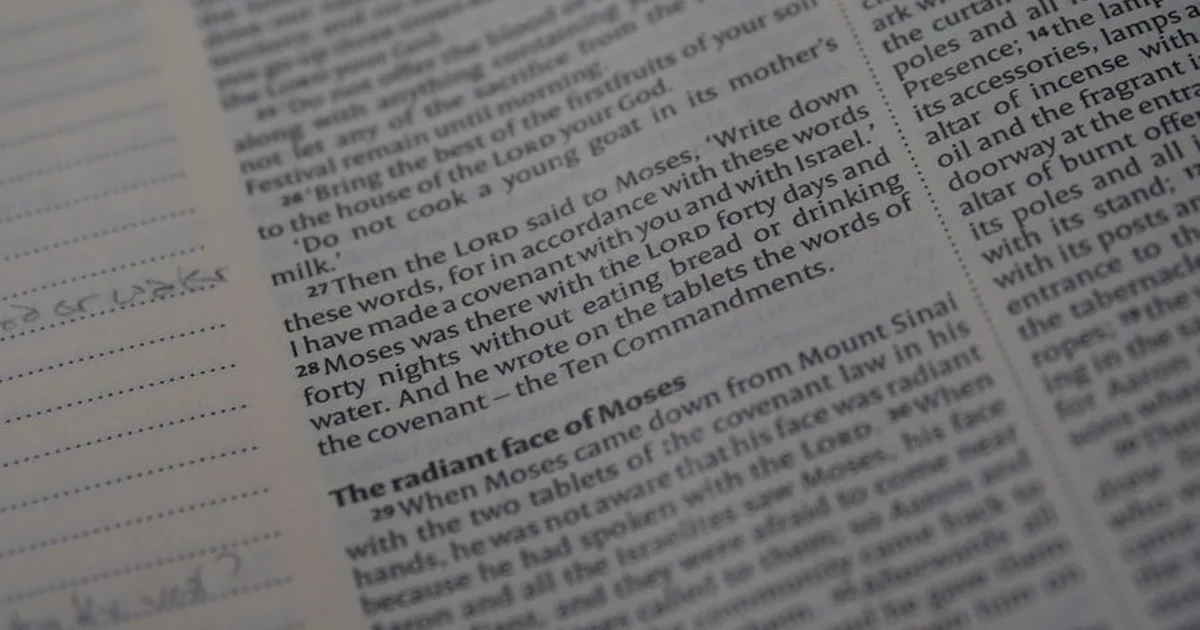
The 10 commandments in the Bible are among the most well-known and influential passages in Scripture. Found in Exodus 20:1–17 and Deuteronomy 5:6–21, these ancient laws have shaped moral thinking for millennia. But beyond their historical significance, they offer timeless principles for living faithfully in a complex world. Whether you're a lifelong Christian or exploring faith for the first time, the Ten Commandments invite us into a deeper relationship with God and with one another.

The Context of the Ten Commandments
When God gave the Ten Commandments to Moses on Mount Sinai, the Israelites had just been freed from slavery in Egypt. They were a newly formed community, learning what it meant to live as God's people. The commandments were not arbitrary rules but a covenant—a relationship agreement that would set them apart and guide them toward flourishing. As we read them today, we can see how they address both our relationship with God (commandments 1–4) and our relationships with others (commandments 5–10).
Why These Commandments Matter Now
Some people think the Ten Commandments are outdated, but their wisdom is remarkably relevant. In a world of competing loyalties, they call us to worship God alone. In a culture of dishonesty, they teach truthfulness. In a society marked by envy, they warn against coveting. Jesus himself summarized them in two great commandments: love God and love your neighbor (Matthew 22:37–40). The Ten Commandments provide a framework for that love in action.
Breaking Down the 10 Commandments
Let's look at each commandment briefly, with a focus on its meaning for our lives today.
Commandments 1–4: Loving God
1. You shall have no other gods before me. This calls us to prioritize God above everything—money, success, relationships, or even our own desires. It's an invitation to wholehearted devotion.
2. You shall not make for yourself an idol. Idolatry isn't just ancient statues; it's anything we trust more than God. This commandment challenges us to examine what we worship.
3. You shall not misuse the name of the Lord your God. God's name represents his character. Using it carelessly or manipulatively dishonors him. Instead, we're called to speak of God with reverence.
4. Remember the Sabbath day by keeping it holy. In a frantic world, this commandment invites rest and renewal. It's a gift that reminds us we are not machines but beloved children who need time with God.
Commandments 5–10: Loving Others
5. Honor your father and your mother. This extends beyond childhood. Honoring parents means respecting their wisdom, caring for them in old age, and building healthy family relationships.
6. You shall not murder. At its core, this commandment affirms the sacredness of human life. Jesus deepened it, teaching that anger and hatred are also violations (Matthew 5:21–22).
7. You shall not commit adultery. Faithfulness in marriage reflects God's covenant faithfulness. This commandment protects the intimacy and trust that marriages need to thrive.
8. You shall not steal. Honesty and respect for others' property build a just society. This includes not only taking what isn't ours but also exploiting others through unfair practices.
9. You shall not give false testimony. Truthfulness is essential for community. Bearing false witness—lying about others—destroys reputations and trust. We're called to speak the truth in love.
10. You shall not covet. Coveting is the root of many sins. It's the inner desire for what others have, leading to envy, greed, and discontent. Contentment is the antidote.
Practical Application: Living the 10 Commandments Today
How can we apply these ancient commands in our daily lives? Start by reflecting on one commandment each week. For example, if you focus on the Sabbath, you might set aside time for rest, worship, and family. If you work on honoring parents, you could call them or write a note of gratitude. The commandments aren't a checklist to earn God's favor; they're a path to freedom and blessing.
Consider also how the commandments shape your community. In your church or small group, discuss how to live out these principles together. For instance, the command not to steal could inspire generosity, while the command against false testimony might encourage you to speak well of others. The Ten Commandments are not just personal; they're social, calling us to build a world of justice and love.
Conclusion: A Timeless Foundation
The 10 commandments in the Bible are more than ancient laws—they're a gift from a loving God who wants us to live well. As Jesus said, these commands hang on the greatest commandments: love God and love your neighbor (Matthew 22:37–40). When we embrace them, we find not restriction but liberation. Let the Ten Commandments guide your steps this week, and see how they bring you closer to God and to others.
Reflection question: Which of the Ten Commandments challenges you most right now, and what is one step you can take to live it out more fully?




Comments