
The 10 commandments Bible passage is one of the most well-known and influential texts in human history. Found in Exodus 20 and Deuteronomy 5, these ancient laws have shaped morality, ethics, and faith for millennia. But for many Christians today, the Ten Commandments can feel like a relic of a distant past—rules etched in stone that seem out of step with modern life. Yet when we approach them with fresh eyes, we discover that these commandments are not just a list of prohibitions; they are a gift from a loving God designed to guide us toward freedom, community, and deeper relationship with Him. In this article, we’ll explore the 10 commandments Bible text in a warm, accessible way, uncovering their meaning for our daily walk with Christ.
The Context: God’s Covenant at Sinai
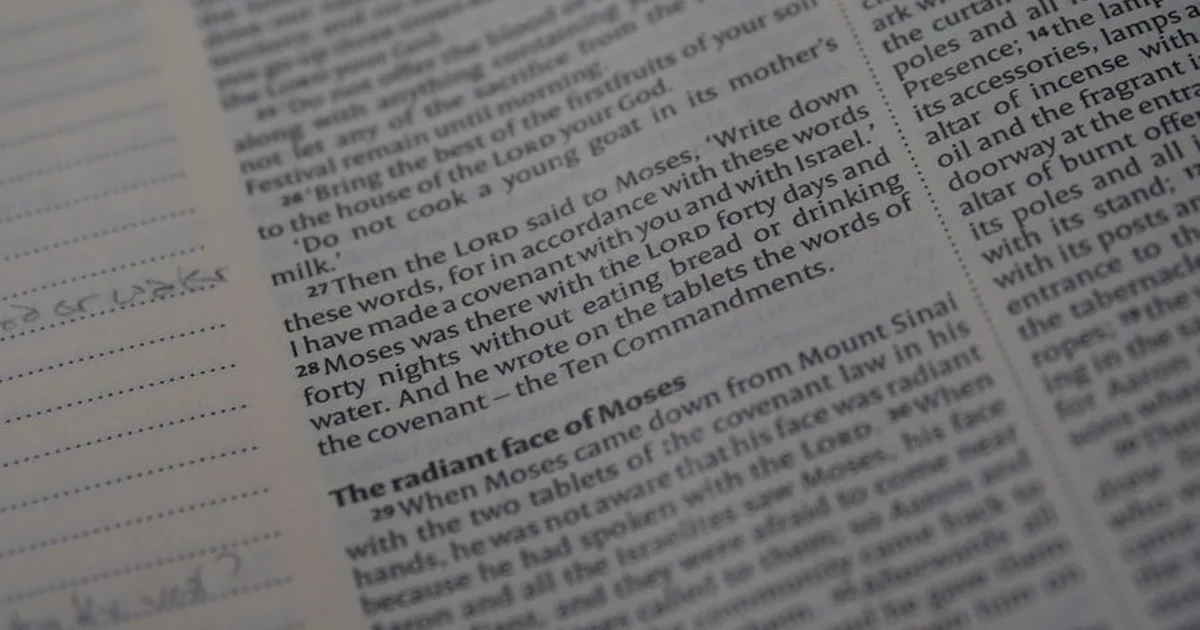
Before diving into the commandments themselves, it helps to understand the story behind them. After freeing the Israelites from slavery in Egypt, God led them to Mount Sinai. There, He made a covenant—a sacred agreement—with His people. The Ten Commandments were the heart of this covenant, given not to burden them but to show them how to live as a holy nation set apart for God. The 10 commandments Bible passage begins with God identifying Himself: “I am the Lord your God, who brought you out of Egypt, out of the land of slavery” (Exodus 20:2, NIV). This preamble reminds us that the commandments are rooted in grace. God saved them first; then He gave them guidelines for a flourishing life.
The First Four Commandments: Loving God
No Other Gods
The first commandment is clear: “You shall have no other gods before me” (Exodus 20:3, NIV). In ancient times, people worshiped idols of wood and stone. Today, our idols are more subtle—money, success, comfort, even relationships. This commandment calls us to examine our hearts and ask: What occupies the throne of my life? God alone deserves our ultimate loyalty.
No Idols
“You shall not make for yourself an image in the form of anything in heaven above or on the earth beneath” (Exodus 20:4, NIV). This isn’t just about statues; it’s about any attempt to reduce God to something we can control or manipulate. God is beyond our imagination, and He invites us to know Him as He truly is.
Don’t Misuse God’s Name
“You shall not misuse the name of the Lord your God” (Exodus 20:7, NIV). This goes beyond swearing. It means we should not invoke God’s name to justify our own agendas or treat it flippantly. Using God’s name with reverence honors His holiness.
Remember the Sabbath
“Remember the Sabbath day by keeping it holy” (Exodus 20:8, NIV). God knows we need rest. The Sabbath is a gift—a day to stop working, worship, and delight in God’s presence. In our busy world, this commandment is more relevant than ever.
The Last Six Commandments: Loving Others
Honor Your Parents
“Honor your father and your mother” (Exodus 20:12, NIV). This is the first commandment with a promise: “so that you may live long in the land the Lord your God is giving you.” Honoring parents creates stable families and societies.
Do Not Murder
“You shall not murder” (Exodus 20:13, NIV). This commandment affirms the sacredness of human life, made in God’s image. Jesus later expanded this to include anger and hatred (Matthew 5:21-22).
Do Not Commit Adultery
“You shall not commit adultery” (Exodus 20:14, NIV). God designed marriage as a covenant of faithfulness. This commandment protects the intimacy and trust that marriages need to thrive.
Do Not Steal
“You shall not steal” (Exodus 20:15, NIV). Stealing breaks trust and harms community. It includes not just taking property but also cheating, withholding wages, or taking credit for others’ work.
Do Not Bear False Witness
“You shall not give false testimony against your neighbor” (Exodus 20:16, NIV). Honesty is the foundation of justice. This commandment calls us to speak truthfully, especially when it costs us.
Do Not Covet
“You shall not covet your neighbor’s house… or anything that belongs to your neighbor” (Exodus 20:17, NIV). Coveting is the root of many sins—envy, greed, discontent. It’s a heart issue that only God can transform.
Practical Application: Living the 10 Commandments Today
How do we apply the 10 commandments Bible principles in our modern world? Start by reading them prayerfully. Ask the Holy Spirit to reveal areas where you’ve drifted. Perhaps you’ve made an idol of your career, or you’ve been dishonest in small ways. The commandments are like a mirror: they show us our sin, but they also point us to God’s grace. Jesus summarized the entire law in two commands: love God and love your neighbor (Matthew 22:37-40). The Ten Commandments are a beautiful expansion of that love. As you go through your day, consider how you can honor God and serve others. When you fail—and we all do—remember that Christ fulfilled the law perfectly and offers forgiveness.
Conclusion: A Path to Freedom
The 10 commandments Bible is not a list of rules to earn God’s favor; it’s a guide to living in harmony with God and others. They reveal God’s character and His desire for us to experience true freedom. As the Psalmist wrote, “Oh, how I love your law! I meditate on it all day long” (Psalm 119:97, NIV). May we approach these ancient words with humility, gratitude, and a willingness to let them shape our lives. What step can you take today to align your heart more closely with God’s commands?
“The precepts of the Lord are right, giving joy to the heart. The commands of the Lord are radiant, giving light to the eyes.” — Psalm 19:8 (NIV)





Comentarios