
The tabernacle of Moses is one of the most profound symbols of God's desire to dwell among His people. In the book of Exodus, God gave Moses detailed instructions to build a portable sanctuary—a sacred space where the Israelites could meet with Him during their journey through the wilderness. This ancient structure, often called the tabernacle of Moses, reveals timeless truths about worship, atonement, and the intimacy God longs to share with us today.
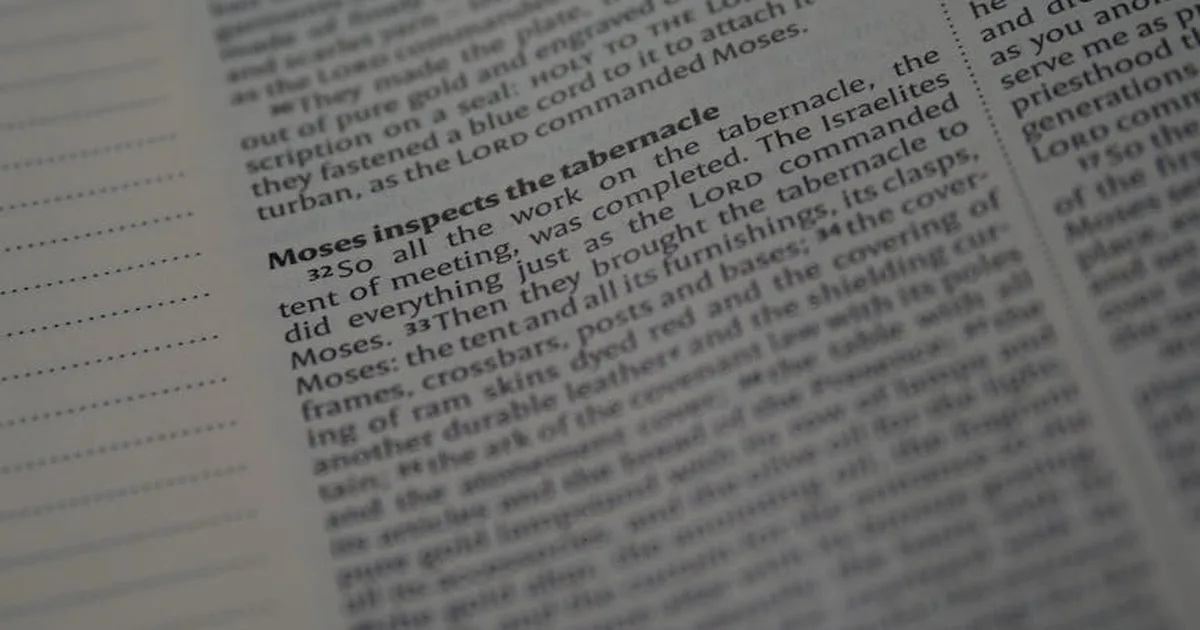
For many Christians, the tabernacle of Moses is more than a historical artifact; it is a blueprint for understanding God's holiness and His plan for redemption. As we explore its design and purpose, we discover how each element points to Jesus Christ and invites us into deeper fellowship with the Father.
The Design and Purpose of the Tabernacle
A Dwelling Place for God
God instructed Moses to build the tabernacle so that He might dwell among His people (Exodus 25:8). This was not a distant deity, but a God who desired to be present with His chosen nation. The tabernacle was a tent of meeting, a place where heaven and earth intertwined.
The structure consisted of three main areas: the outer courtyard, the Holy Place, and the Most Holy Place (the Holy of Holies). Each area had specific furnishings and rituals that taught the people about approaching a holy God.
The Courtyard: The Gateway to Worship
Entering the tabernacle, one first encountered the bronze altar of burnt offering. Here, sacrifices were made for sin, symbolizing the need for atonement before coming into God's presence. The laver, a basin for washing, followed, reminding the priests of the need for purification.
This outer area was accessible to all Israelites, but only the priests could enter the Holy Place. It taught that while God welcomes all who seek Him, there is a reverence required in approaching His holiness.
The Holy Place: The Place of Service
Inside the tent, the Holy Place contained the table of showbread, the golden lampstand, and the altar of incense. The showbread represented God's provision, the lampstand symbolized His light, and the incense was a picture of the prayers of the people rising to heaven.
These elements remind us that worship involves both gratitude and intercession, and that God sustains us daily through His Word and Spirit.
The Holy of Holies: The Throne of God
Behind a thick veil lay the Most Holy Place, where the Ark of the Covenant rested. The ark was a chest overlaid with gold, containing the stone tablets of the Law, a jar of manna, and Aaron's staff. On top of the ark was the mercy seat, flanked by two cherubim, where God's presence dwelt.
Only the high priest could enter this inner sanctuary once a year on the Day of Atonement, with blood for his own sins and the sins of the people. This taught that sin creates a barrier, and only through sacrifice could one approach God.
Christ as the Fulfillment of the Tabernacle
The New Testament reveals that the tabernacle of Moses was a shadow of greater realities. Jesus Christ is the true tabernacle—God dwelling among us in human flesh (John 1:14). He is the perfect sacrifice, the mediator who entered the heavenly Holy of Holies once for all (Hebrews 9:11-12).
Through Christ, the veil that separated us from God was torn in two (Matthew 27:51). Now, every believer has direct access to the Father. The tabernacle's rituals find their ultimate meaning in Jesus, who fulfilled the Law and opened the way for us to enter God's presence with confidence.
Practical Lessons for Today
The tabernacle of Moses invites us to reflect on our own approach to God. Do we come with reverence, acknowledging His holiness? Do we recognize our need for cleansing through Christ's sacrifice? The tabernacle reminds us that worship is not casual; it is a sacred encounter with the living God.
Consider incorporating a "tabernacle" rhythm into your spiritual life. Set aside a specific time and place to meet with God. Use elements like prayer (incense), Scripture (showbread), and gratitude (light) to draw near to Him. Just as the tabernacle was a portable sanctuary, we too can carry God's presence wherever we go, for our bodies are temples of the Holy Spirit (1 Corinthians 6:19).
Conclusion
The tabernacle of Moses is a beautiful picture of God's desire to be with us. It teaches us about His holiness, our sinfulness, and the grace that bridges the gap. As we study this ancient structure, may we be drawn into a deeper love for the God who made a way for us to dwell with Him forever.
Take a moment to reflect: What does the tabernacle teach you about your own relationship with God? How can you create sacred space in your life to encounter His presence?

Comments