
Psalm 91 is one of the most cherished passages in the Bible, famous for its promises of refuge and divine protection. But who wrote Psalm 91? While the text doesn't name its author explicitly, tradition and biblical analysis point to Moses as the most likely writer. This psalm is part of the fourth book of Psalms, and along with Psalm 90, it carries a title linking it to the great leader of Israel. In this article, we'll explore the evidence for this attribution, the historical context, and the timeless message of this psalm.
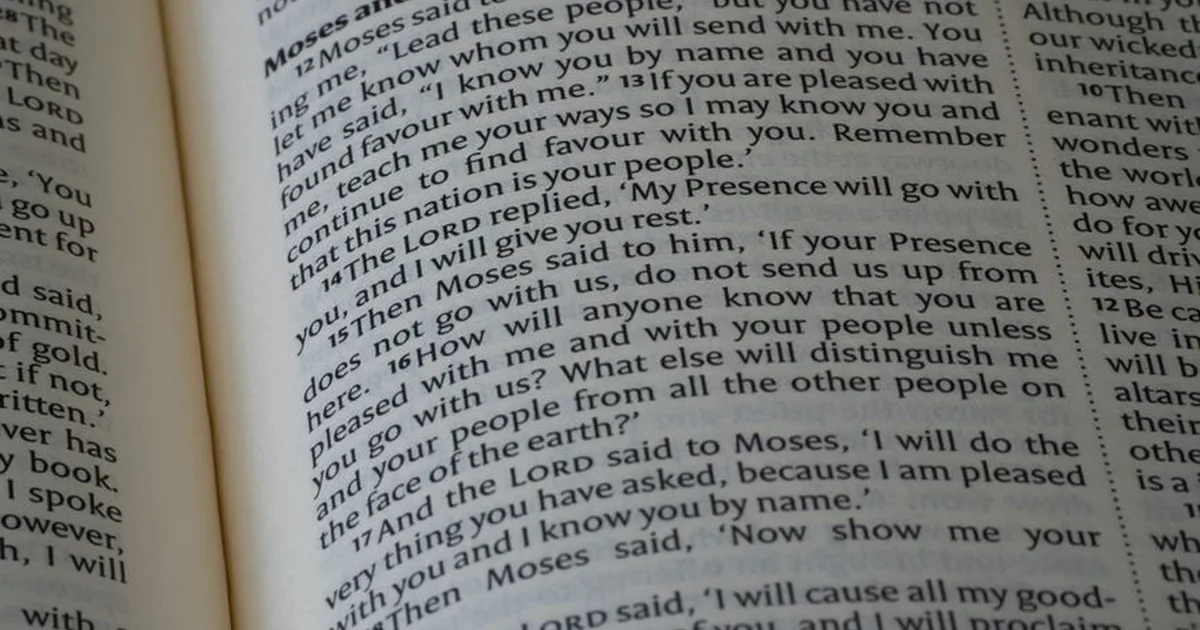
Evidence That Moses Wrote Psalm 91
The main clue about who wrote Psalm 91 comes from Psalm 90, which immediately precedes it and bears the heading: "A prayer of Moses, the man of God." Although Psalm 91 has no title in most versions, many ancient manuscripts and Jewish tradition consider it part of the same collection attributed to Moses. Moreover, the language and imagery of Psalm 91 reflect the desert experience: protection under God's wings (like an eagle caring for its young), the destroying plague, and safety in the midst of danger—themes Moses lived while leading Israel for forty years.
Connection with Psalm 90
Psalm 90 is clearly by Moses, and Psalm 91 continues with a similar tone of trust in God as a refuge. In the original Hebrew, both psalms share vocabulary and poetic structures that unite them. For example, the phrase "He who dwells in the shelter of the Most High" (Psalm 91:1) echoes "Lord, you have been our dwelling place throughout all generations" (Psalm 90:1). This thematic continuity reinforces the idea that Moses is the author of both.
Historical Context of the Exodus
Moses wrote during Israel's wilderness journey, a time of trials, plagues, and constant danger. Psalm 91 mentions "the pestilence that stalks in the darkness" and "the plague that destroys at midday" (verse 6), which recall the plagues of Egypt and the diseases that struck the people. Moses, as mediator between God and Israel, experienced divine protection firsthand and captured that trust in this psalm.
The Message of Psalm 91: Refuge and Divine Protection
Beyond the question of who wrote Psalm 91, what truly matters is its message of hope. This psalm assures us that God is our shelter amid life's storms. Its most famous verses, such as "A thousand may fall at your side, ten thousand at your right hand, but it will not come near you" (verse 7), remind us that faith in God sustains us even in the darkest moments.
Promises for the Believer
Psalm 91 contains specific promises: God will cover you with his feathers, deliver you from the fowler's snare, and you will not fear the terror of night nor the arrow that flies by day. These poetic images speak of comprehensive protection—both physical and spiritual. For today's Christian, this psalm is a reminder that, though we face difficulties, we can rest in God's faithfulness.
How to Apply Psalm 91 in Daily Life
Knowing who wrote Psalm 91 helps us appreciate its background, but its power lies in living it. You can pray this psalm each morning, declaring that God is your refuge. Memorize its verses for moments of fear or anxiety. It's also an excellent resource for praying over your loved ones, asking for divine protection upon them.
"He who dwells in the shelter of the Most High will rest in the shadow of the Almighty. I will say of the LORD, 'He is my refuge and my fortress, my God, in whom I trust.'" (Psalm 91:1-2, NIV)
Final Reflection
The next time you read Psalm 91, remember that it was written by someone who walked with God in the wilderness and experienced his constant care. Moses


Comentarios