
The miracle of the sun is one of the most remarkable events in Christian history, drawing millions to reflect on the intersection of faith and the natural world. This phenomenon, often associated with the apparitions of Our Lady of Fátima in 1917, involved the sun appearing to dance, spin, and change colors before an estimated 70,000 witnesses. While the Catholic Church has officially recognized the Fátima events as worthy of belief, the miracle of the sun continues to inspire Christians of all denominations to consider how God might use creation to speak to humanity.
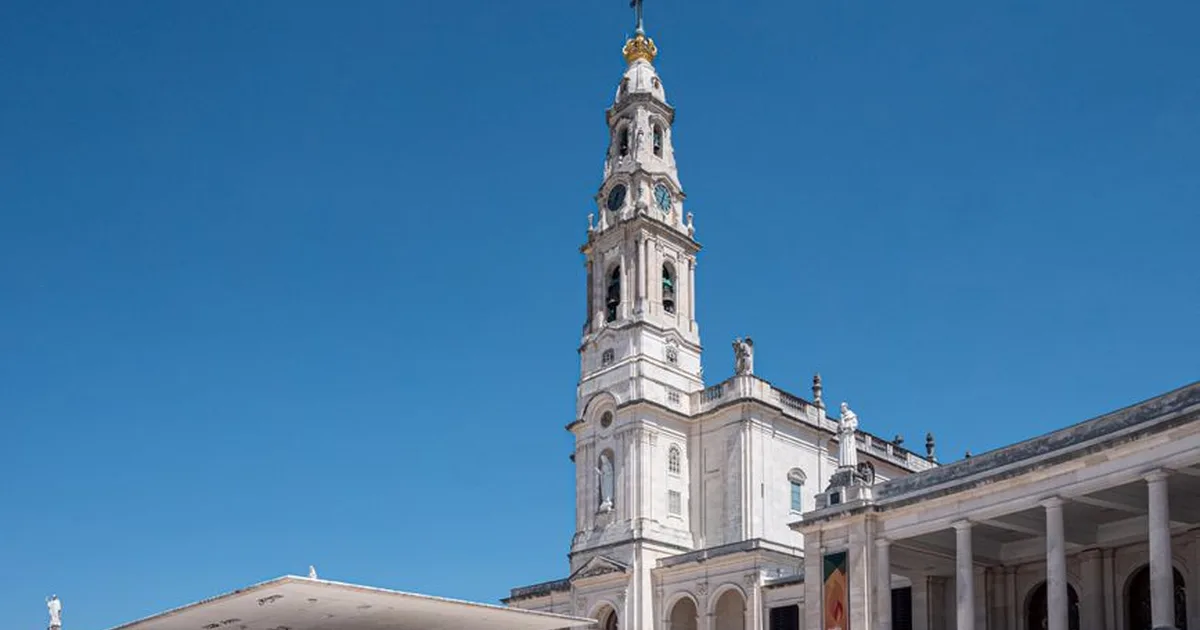
But what exactly happened on October 13, 1917, in Fátima, Portugal? According to numerous accounts, the sun emerged from behind clouds as a silver disk that could be looked at without hurting the eyes. It then began to spin, casting multicolored lights across the landscape, before appearing to plunge toward the earth. The event lasted about ten minutes, and afterward, the ground and the people's clothes, which had been wet from earlier rain, were suddenly dry. For believers, it was a divine sign; for skeptics, a natural phenomenon or mass hallucination.
As Christians, we can approach the miracle of the sun with both wonder and discernment. The Bible itself records celestial signs, such as the sun standing still for Joshua (Joshua 10:13) and the darkness at the crucifixion (Matthew 27:45). These events remind us that God is sovereign over creation and can use it to communicate His purposes. However, we must also guard against superstition, remembering that faith is grounded in God's Word and the person of Jesus Christ, not in spectacular signs alone.
Biblical Foundations for Signs in the Heavens
Old Testament Celestial Wonders
Throughout Scripture, God uses the sun, moon, and stars to mark significant moments. In Joshua 10, when the Israelites fought the Amorites, Joshua prayed for the sun to stand still, and God answered:
“So the sun stood still, and the moon stopped, till the nation avenged itself on its enemies” (Joshua 10:13, NIV).This event, like the miracle of the sun, demonstrates God's power over the natural order. Yet the purpose was not mere spectacle but deliverance for His people.
Similarly, the prophet Joel spoke of wonders in the heavens:
“I will show wonders in the heavens and on the earth, blood and fire and billows of smoke. The sun will be turned to darkness and the moon to blood before the coming of the great and dreadful day of the Lord” (Joel 2:30-31, NIV).These prophecies point to eschatological events, reminding us that cosmic signs often accompany major redemptive acts.
New Testament Signs and Warnings
Jesus Himself predicted celestial disturbances before His return:
“There will be signs in the sun, moon and stars. On the earth, nations will be in anguish and perplexity at the roaring and tossing of the sea” (Luke 21:25, NIV).The miracle of the sun can be seen as a foreshadowing of these end-time signs, though we must be cautious about assigning specific dates or meanings. Jesus also warned against false signs:
“For false messiahs and false prophets will appear and perform great signs and wonders to deceive, if possible, even the elect” (Matthew 24:24, NIV).Thus, while we can appreciate the miracle of the sun as a potential gift from God, we must test all things against Scripture.
Lessons from Fátima: Faith Beyond the Spectacular
The events at Fátima, including the miracle of the sun, are often associated with messages about prayer, repentance, and peace. The three shepherd children—Lucia, Francisco, and Jacinta—reported seeing the Virgin Mary, who urged them to pray the Rosary for world peace and to offer sacrifices for sinners. The miracle of the sun served as a public confirmation of their visions, drawing massive attention.
For Christians today, the core lessons transcend any particular apparition. First, God calls us to persistent prayer. The children prayed fervently, even amid skepticism and persecution. Second, repentance is a recurring biblical theme—turning from sin and toward God. Third, the message of peace resonates deeply in a world still plagued by conflict. The miracle of the sun reminds us that God is actively involved in human history, inviting us to respond with faith.
It is also important to note that not all Christians accept the Fátima events as supernatural. Some view them as a natural atmospheric phenomenon or a collective psychological experience. As an ecumenical platform, we respect diverse perspectives while affirming that God can work through any means. The real miracle may be not the sun's dance but the changed hearts of those who encounter God's love.
Practical Application: Seeing God's Signs Today
How can we apply the miracle of the sun to our daily walk with Christ? First, cultivate a posture of expectancy. God still speaks through creation:
“The heavens declare the glory of God; the skies proclaim the work of his hands” (Psalm 19:1, NIV).A sunrise, a rainbow, or a starry night can become a personal sign of God's faithfulness if we pause to notice.
Second, avoid the trap of seeking signs for their own sake. Jesus rebuked those who demanded miraculous proof:
“A wicked and adulterous generation asks for a sign! But none will be given it except the sign of the prophet Jonah” (Matthew 16:4, NIV).The greatest sign is the resurrection of Christ, which calls us to faith, not spectacle.
Third, let the miracle of the sun inspire you to pray for peace in your family, community, and world. Just as the children of Fátima interceded for peace, we too can be agents of reconciliation. Consider starting a prayer group or volunteering with a peacebuilding organization.
Conclusion: The Sun Still Rises
The miracle of the sun remains a powerful symbol of God's ability to break into our world with wonder. Whether you view it as a literal miracle, a symbolic event, or a historical curiosity, it invites us to look up—not just at the sky, but toward the Son of God, Jesus Christ. He is the true light of the world (John 8:12), and His love is the greatest miracle of all.
As you reflect on this topic, consider: How is God using the ordinary and extraordinary moments of your life to draw you closer to Him? Share your thoughts with a friend or in your church community. The sun will rise again tomorrow—a daily reminder of God's steadfast love.


Comments