
The Bible is more than a religious text—it is a library of ancient writings that have shaped civilizations, inspired art, and guided faith for millennia. Understanding the history of the Bible can deepen our appreciation for its message and the journey it took to reach us. From oral traditions to digital screens, the story of how these sacred books were written, collected, and translated is a testament to God's enduring word.
The Origins: Oral Tradition and Early Writings
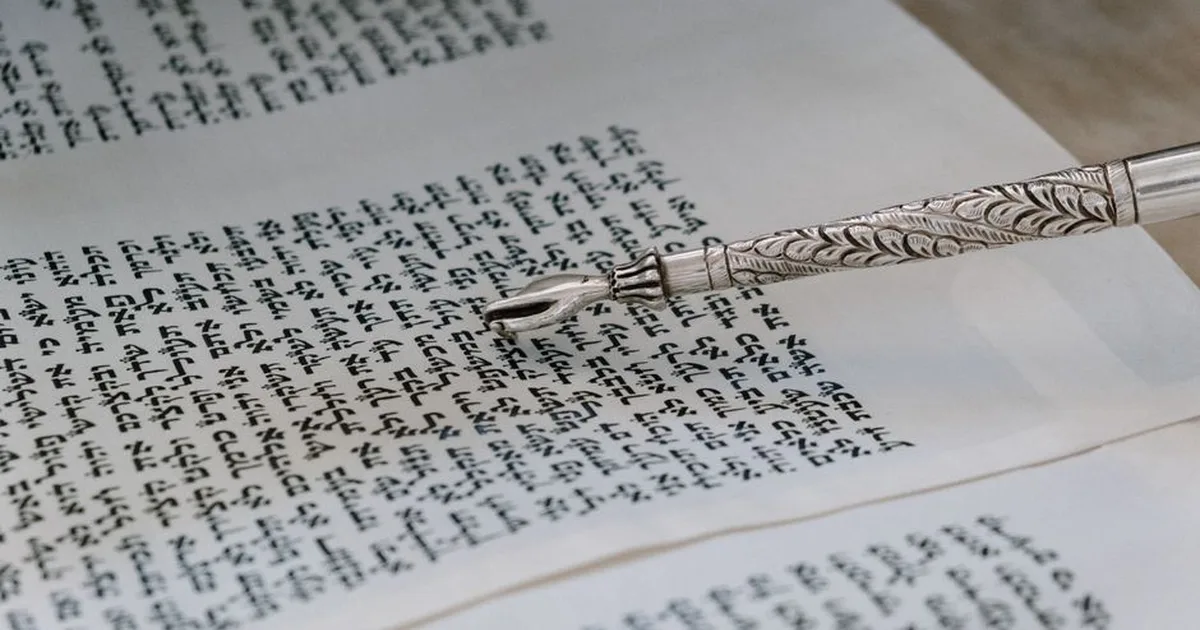
Long before the Bible was a bound book, its stories were passed down orally. Ancient Israelites recited the law, sung the psalms, and told the stories of patriarchs around campfires. Around 1400–400 BC, these traditions began to be written on scrolls made of papyrus or parchment. The earliest biblical texts, such as the Ten Commandments, were recorded on stone, but most were penned in Hebrew, with some portions in Aramaic. The Torah, or the first five books, traditionally attributed to Moses, formed the foundation of what would become the Old Testament.
The Septuagint: A Greek Translation
By the third century BC, many Jews lived in Greek-speaking regions and could no longer read Hebrew. So, a translation known as the Septuagint was created in Alexandria, Egypt. This Greek version of the Hebrew Scriptures became the Bible of the early Christian church. When New Testament writers quoted from the Old Testament, they often used the Septuagint. This translation played a crucial role in spreading God's word beyond Jewish communities.
The New Testament: Writing the Good News
The New Testament was written in the first century AD, primarily in Greek. The Gospels—Matthew, Mark, Luke, and John—record the life, death, and resurrection of Jesus Christ. The apostle Paul and other leaders wrote letters to churches, offering guidance and doctrine. These writings were circulated among early Christian communities. By the end of the second century, most of the 27 books we now recognize as the New Testament were accepted as authoritative.
All Scripture is God-breathed and is useful for teaching, rebuking, correcting and training in righteousness. (2 Timothy 3:16, NIV)
The Canon: How Books Were Chosen
The process of recognizing which books belonged in the Bible is called canonization. For the Old Testament, Jewish scholars had long accepted a set of 39 books. For the New Testament, church leaders in the fourth century, such as Athanasius of Alexandria, listed the 27 books that matched apostolic teaching and widespread use. The Councils of Hippo (AD 393) and Carthage (AD 397) affirmed this canon. It wasn't that humans decided what God's word would be—they recognized what God had already inspired.
Preservation and Translation: The Bible Through the Ages
After the canon was settled, the Bible was copied by hand for over a thousand years. Monks in scriptoria meticulously transcribed scrolls and later codices (early bound books). The Latin Vulgate, translated by Jerome in the late fourth century, became the standard Bible for Western Christianity. But ordinary people couldn't read Latin, so the Bible remained largely inaccessible until the Reformation.
The Printing Press and Vernacular Bibles
In the 15th century, Johannes Gutenberg's printing press revolutionized the world. The first major book printed was the Latin Bible. Soon, reformers like Martin Luther translated the Bible into German, and William Tyndale produced an English translation from the original languages. Tyndale's work later influenced the King James Version (1611), which became the most widely used English Bible for centuries. The history of the Bible is marked by brave translators who risked their lives to put Scripture into common hands.
Modern Translations and the Bible Today
Today, the Bible is available in over 700 languages, with complete translations in more than 700. Modern versions like the New International Version (NIV) and English Standard Version (ESV) aim for accuracy and readability. The discovery of the Dead Sea Scrolls in 1947 provided scholars with ancient manuscripts that confirmed the reliability of the Old Testament text. The history of the Bible continues as new translations emerge and digital formats make it accessible on phones and tablets.
For the word of God is alive and active. Sharper than any double-edged sword... (Hebrews 4:12, NIV)
Practical Application: Engaging with Scripture Today
Knowing the history of the Bible can transform how we read it. When we understand the journey from oral story to written scroll, from translation to digital text, we realize the incredible care God has taken to preserve His message. To apply this, set aside time each day to read a passage from the Bible. Use a translation that speaks to you, such as the NIV or ESV. Reflect on how the same words that comforted ancient believers can speak to your life today. Consider joining a small group or using a reading plan to explore the Bible's narrative from beginning to end.
Conclusion: A Living Word
The history of the Bible is not just a story of ancient documents—it is a testimony to God's faithfulness. Through persecution, translation challenges, and cultural shifts, the Bible has endured. As you hold your Bible, remember that you are part of a long line of believers who have cherished these words. Let this history inspire you to read, study, and share the Scriptures with others. What part of the Bible's journey speaks most to you today?
Reflection question: How does knowing the history of the Bible affect the way you approach its teachings?




Comments