
The Protestant Reformation was a major religious movement in the 16th century that reshaped Christianity in Europe and beyond. At its core, it was a call for reform within the Catholic Church, sparked by concerns about doctrine, authority, and practice. This protestant reformation summary explores the key figures, events, and theological shifts that continue to influence Christian communities today. For many believers, understanding this period helps us appreciate the diversity within the body of Christ and the shared commitment to faith in God.
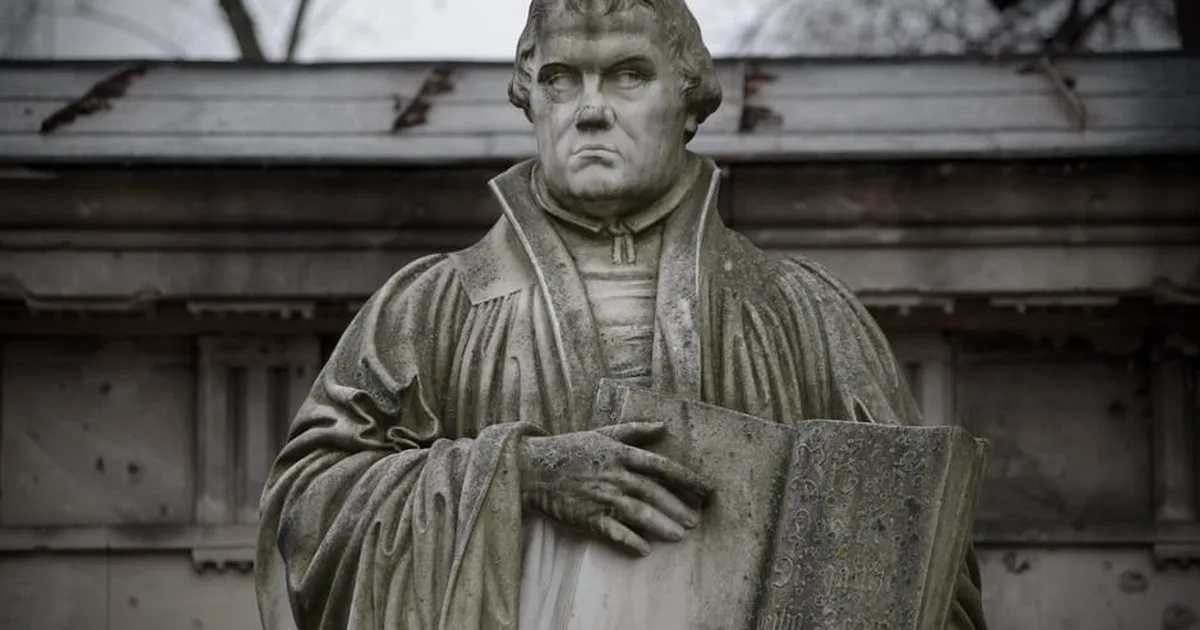
The Reformation began in 1517 when Martin Luther, a German monk and theologian, posted his Ninety-five Theses on the door of the Wittenberg Castle Church. He challenged the sale of indulgences and other church practices, sparking a debate that quickly spread across Europe. Luther's emphasis on salvation by faith alone (sola fide) and the authority of Scripture alone (sola scriptura) became foundational principles for Protestant churches.
Key Figures and Their Contributions
Martin Luther and the Lutheran Tradition
Martin Luther (1483–1546) is often called the father of the Reformation. His translation of the Bible into German made Scripture accessible to ordinary people. He taught that justification is a gift from God received through faith, not earned by good works. As Paul writes in Ephesians 2:8-9, "For it is by grace you have been saved, through faith—and this is not from yourselves, it is the gift of God—not by works, so that no one can boast."
John Calvin and the Reformed Tradition
John Calvin (1509–1564) systematized Reformed theology in his Institutes of the Christian Religion. He emphasized God's sovereignty and predestination. Calvin's teachings influenced Presbyterian, Congregationalist, and many Baptist churches. His work in Geneva established a model for church governance that valued the role of elders and the community.
Other Reformers
Ulrich Zwingli in Switzerland, Thomas Cranmer in England, and John Knox in Scotland each contributed to the Reformation in their regions. Anabaptists, such as Menno Simons, advocated for adult baptism and separation of church and state. Their commitment to discipleship and peace has left a lasting legacy.
Core Theological Shifts
The Reformation brought several key changes to Christian thought. The five solas—sola scriptura (Scripture alone), sola fide (faith alone), sola gratia (grace alone), solus Christus (Christ alone), and soli Deo gloria (glory to God alone)—summarize Protestant distinctives. These principles emphasized that salvation is God's work, received through faith, and that the Bible is the ultimate authority for faith and practice.
Another important shift was the priesthood of all believers. Reformers taught that every Christian has direct access to God through Christ, without needing a human mediator. This encouraged personal Bible reading and active participation in worship. Jesus himself said, "Come to me, all you who are weary and burdened, and I will give you rest" (Matthew 11:28), a promise that resonates across denominations.
Practical Application for Today
The Reformation reminds us to continually examine our faith in light of Scripture. It encourages us to value grace over works, and to seek unity in essential doctrines while respecting diversity in non-essentials. As believers, we can learn from the Reformers' courage to ask hard questions and their commitment to the gospel. Consider how your own faith community embodies the principles of the Reformation—perhaps through Bible study, emphasis on grace, or a heart for mission.
"For in it the righteousness of God is revealed from faith for faith, as it is written, 'The righteous shall live by faith.'" (Romans 1:17, ESV)
Conclusion
The Protestant Reformation was not just a historical event; it is a continuing call to put faith in Christ at the center of our lives. While we may belong to different churches, we share a common heritage in the gospel. This protestant reformation summary invites you to reflect on how God's grace shapes your daily walk. How can you live out the Reformation's legacy of faith, Scripture, and grace in your own context?




Comments