
The garden of Gethsemane, nestled at the foot of the Mount of Olives, holds a special place in Christian history. It was here that Jesus, on the night before his crucifixion, withdrew to pray with his disciples. This ancient olive grove, whose name means "oil press," became the setting for one of the most intimate and agonizing moments in Scripture. For believers today, the garden of Gethsemane remains a powerful symbol of surrender, vulnerability, and the depth of Christ's love.
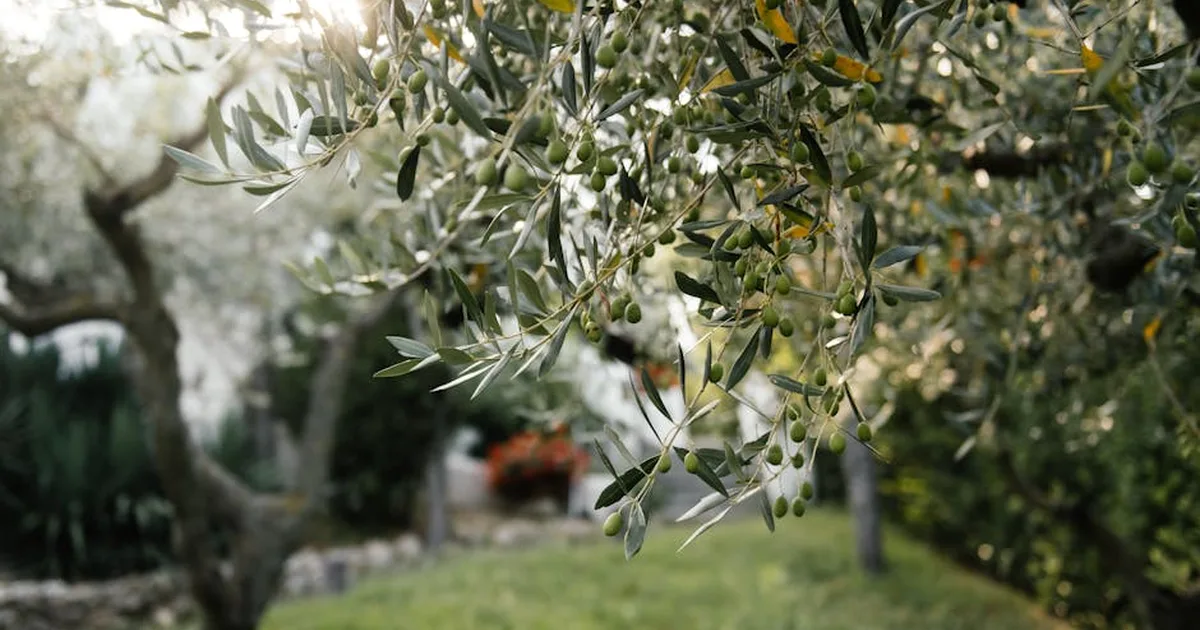
In the Gospels, we read that Jesus often went to Gethsemane to pray. It was a familiar place, a refuge where he could commune with the Father. On that fateful night, he took Peter, James, and John with him, asking them to watch and pray. But as he knelt in the garden, his soul was overwhelmed with sorrow—even to the point of death. This raw honesty reminds us that our own prayers can be filled with anguish, and that God welcomes our honest cries.
As we explore the garden of Gethsemane, we discover a model for our own prayer lives. Jesus didn't pretend to be strong. He admitted his distress, yet he submitted to the Father's will: "Not my will, but yours be done" (Luke 22:42, NIV). This balance of honesty and trust is the heart of Christian prayer.
What Happened in the Garden of Gethsemane?
The garden of Gethsemane is primarily known for two events: Jesus' agonizing prayer and his betrayal by Judas. After the Last Supper, Jesus led his disciples to this quiet place. He knew what was coming—the arrest, the mock trial, the crucifixion. In the garden, he prayed fervently, sweating drops of blood, as Luke records. Meanwhile, the disciples, exhausted and sorrowful, fell asleep.
Jesus' prayer in the garden of Gethsemane reveals his full humanity and divinity. He asked the Father to remove the cup of suffering if possible, yet he yielded to the divine plan. This moment is a profound example of obedience. The writer of Hebrews says, "During the days of Jesus' life on earth, he offered up prayers and petitions with fervent cries and tears" (Hebrews 5:7, NIV).
Then came the betrayal. Judas, one of the twelve, arrived with a crowd armed with swords and clubs. He greeted Jesus with a kiss—a sign of betrayal. Peter, impulsive as ever, drew his sword and cut off the ear of Malchus, the high priest's servant. But Jesus healed the man and surrendered peacefully. The garden of Gethsemane thus became the threshold of the Passion.
Lessons from the Garden for Today
The garden of Gethsemane offers timeless lessons for Christians navigating their own trials. First, it teaches us the importance of prayer in times of crisis. Jesus didn't rely on his own strength; he sought the Father. In our own gardens of suffering, we can bring our fears and desires to God, knowing he hears us.
Second, the garden shows us the value of community—even imperfect community. Jesus wanted his disciples near him, though they failed to stay awake. We, too, need brothers and sisters in faith to support us, even when they fall short. The church is a fellowship of struggling believers.
Third, the garden of Gethsemane calls us to surrender. Jesus' prayer, "Not my will, but yours be done," is the ultimate act of trust. When we face impossible choices or unbearable pain, we can echo his words. Surrender is not weakness; it is the strength of faith.
Finally, the garden reminds us that God is present in our darkest moments. Jesus was not alone; an angel appeared to strengthen him (Luke 22:43). Likewise, the Holy Spirit comforts and empowers us in our trials.
Practical Application: Praying in Your Own Gethsemane
How can we apply the lessons of the garden of Gethsemane to our daily lives? Here are a few practical steps:
- Create a prayer space: Find a quiet place where you can be alone with God, just as Jesus had his garden.
- Be honest in prayer: Tell God exactly how you feel—fear, anger, confusion. He can handle your raw emotions.
- Seek community: Ask a trusted friend or small group to pray with you during difficult times.
- Practice surrender: Daily, offer your plans and worries to God, saying, "Your will be done."
Consider journaling your prayers, especially when you are wrestling with a decision or hardship. Write down what you want, then write a prayer of surrender. Over time, you may see how God works through your obedience.
"Father, if you are willing, remove this cup from me. Nevertheless, not my will, but yours, be done." (Luke 22:42, ESV)
Conclusion: The Garden as a Place of Hope
The garden of Gethsemane is not just a historical site; it is a spiritual reality for every believer. In our own gardens of pain, we meet Jesus who prayed and surrendered. He understands our struggles because he experienced them fully. And because he rose from the dead, we have hope that our darkest nights will give way to morning.
As you reflect on the garden of Gethsemane, consider: What is the "cup" you are facing today? Can you bring it to God in honest prayer and trust him with the outcome? The garden invites you to pray, surrender, and find peace in the presence of the One who never leaves you.
Reflection question: In what area of your life do you need to say, "Not my will, but yours be done"?



Comments