
Many people turn to Psalm 91 in times of fear or danger, but have you ever asked yourself: Psalm 91 is for protection against what? This psalm, one of the most beloved in the Bible, speaks about the security we find in God. It is not a magic charm, but a declaration of trust in the Most High. The question many ask — Psalm 91 is for protection against what? — leads us to explore its original context and its application for Christian life today.
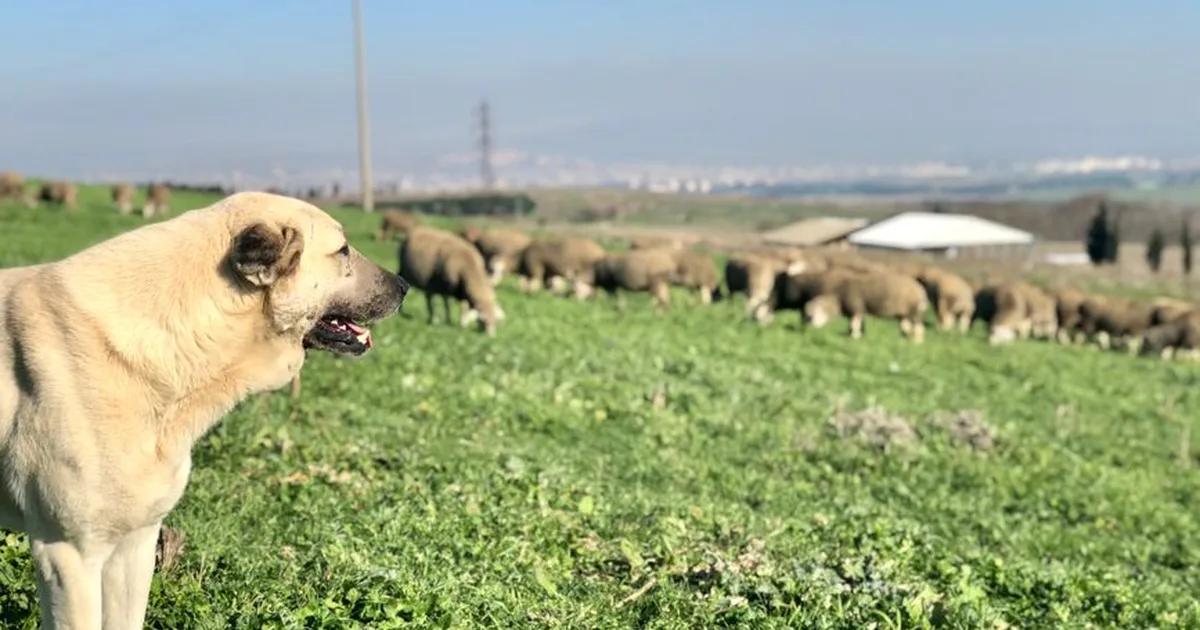
Psalm 91 was written in a context of real dangers: wars, plagues, nighttime ambushes. The psalmist describes a God who is a refuge and fortress. But the protection promised is not without trials; it is a protection that sustains us in the midst of difficulties. When we ask Psalm 91 is for protection against what?, the answer goes beyond the physical: it protects us against despair, fear, and loneliness.
In this article, we will dive into the meaning of Psalm 91, understand its promises, and learn to apply it in our daily lives. Discover how this psalm can be a source of peace and trust in the midst of life's storms.
The Context of Psalm 91: Divine Protection Amid Danger
Psalm 91 begins with a powerful declaration: "Whoever dwells in the shelter of the Most High will rest in the shadow of the Almighty" (verse 1, NIV). This image of shelter and shadow points to a place of safety. The psalmist speaks of concrete dangers: the fowler's snare, the deadly pestilence, the terror of night, the arrow that flies by day. But the central question — Psalm 91 is for protection against what? — shows us that the protection is comprehensive: physical, emotional, and spiritual.
Verse 7 says, "A thousand may fall at your side, ten thousand at your right hand, but it will not come near you" (NIV). This does not mean that the Christian will be immune to tragedies, but that God is sovereign over life and death. The protection of Psalm 91 is, above all, the certainty that we are in God's hands, and nothing can separate us from his love (Romans 8:38-39).
Psalm 91 is also quoted by Satan when he tempted Jesus in the wilderness (Matthew 4:6). Jesus responded with Scripture, showing that we should not put God to the test. This teaches us that trust in God is not presumption, but humility. The psalm invites us to rest in divine protection, not to demand signs.
What Psalm 91 Teaches Us About Trust and Fear
Fear is a universal human emotion. Psalm 91 does not deny the existence of fear, but offers an alternative: trust in God. When we ask Psalm 91 is for protection against what?, the answer includes fear of the unknown, of disease, of violence. The psalm reminds us that God is our refuge, and we can cast all our anxieties on him (1 Peter 5:7).
Verse 4 uses the image of a bird covering its young with feathers: "He will cover you with his feathers, and under his wings you will find refuge" (NIV). This maternal metaphor reveals God's intimate care. The protection of Psalm 91 is personal and loving, not distant or impersonal.
To apply this, we need to cultivate a life of prayer and meditation on the Word. Psalm 91 is not a magic formula, but an invitation to a relationship with God. When we read and declare this psalm, we are affirming our trust in divine faithfulness.
How to Use Psalm 91 in Practice
Many people recite Psalm 91 as a prayer of protection. This is valid, as long as it does not become superstition. The right approach is to pray with faith, understanding that God is sovereign. You can start the day by reading the psalm aloud, personalizing the verses: "Lord, you are my refuge..."
Another way is to memorize key verses, such as verses 1 and 2. When fear strikes, repeat: "Whoever dwells in the shelter of the Most High..." This renews the mind and strengthens faith.
Avoid using the psalm as a charm or to test God. Psalm 91 is a powerful spiritual tool when used with faith and reverence. By trusting in God, we find the peace that surpasses all understanding.



Comments