
The story of the Noah flood is one of the most well-known narratives in the Bible. Found in Genesis chapters 6 through 9, it tells of God's judgment on a corrupt world and His mercy in saving Noah, his family, and the animals. While some may view this account as ancient history or even myth, for Christians it holds profound spiritual lessons that remain relevant today. In this article, we will explore the Noah flood story, its historical context, and how its themes of faith, obedience, and new beginnings can inspire our walk with God.
The Context of the Noah Flood in the Bible
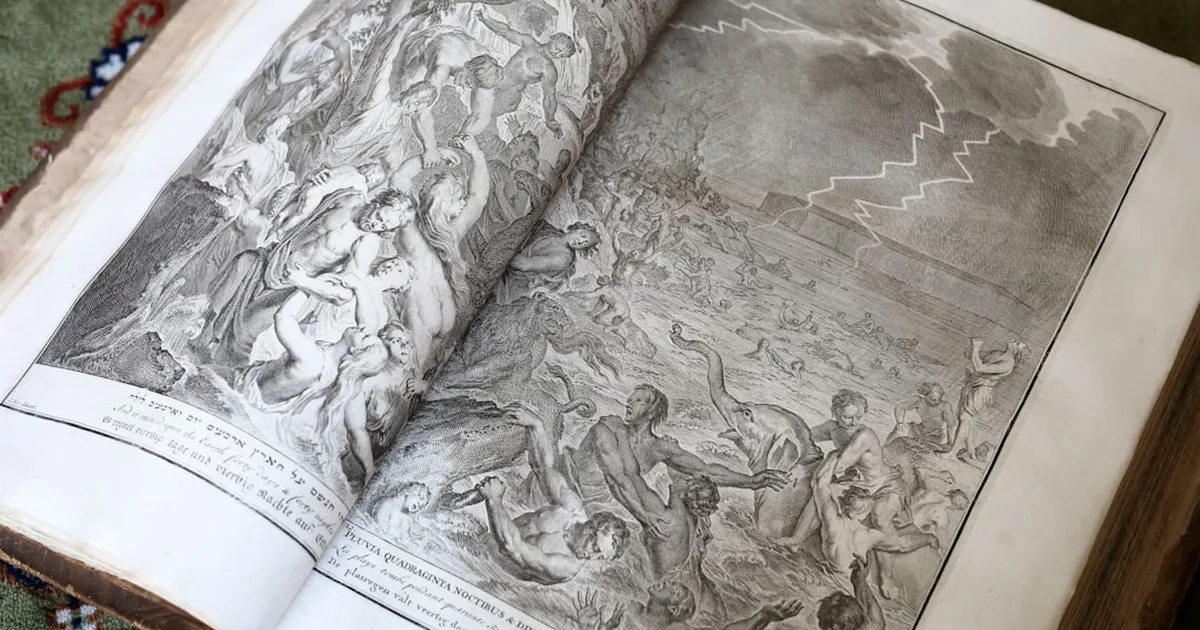
The Noah flood occurs in a time when humanity had turned away from God. Genesis 6:5 says, "The Lord saw that the wickedness of man was great in the earth, and that every intention of the thoughts of his heart was only evil continually" (ESV). Despite this, Noah found favor with God because he was a righteous man, blameless in his generation (Genesis 6:8-9). God instructed Noah to build an ark to save his family and representatives of every living creature. The floodwaters came, destroying all life outside the ark, but Noah and those with him were preserved.
Key Details of the Noah Flood Account
The Bible provides specific measurements for the ark: 300 cubits long, 50 cubits wide, and 30 cubits high (Genesis 6:15). The flood lasted 40 days and 40 nights, and the waters prevailed on the earth for 150 days (Genesis 7:24). After the flood, God made a covenant with Noah, promising never to destroy the earth by flood again, and set the rainbow as a sign of that covenant (Genesis 9:11-13).
Faith and Obedience: Lessons from Noah
Noah's response to God's command is a powerful example of faith. Hebrews 11:7 commends him: "By faith Noah, being warned by God concerning events as yet unseen, in reverent fear constructed an ark for the saving of his household" (ESV). Noah did not question God's warning or the seemingly impossible task. He simply obeyed. This challenges us to trust God even when His instructions don't make sense from a human perspective. Are we willing to obey God when He calls us to something unusual or difficult?
Building the Ark in a World That Didn't Believe
Noah preached righteousness to his generation (2 Peter 2:5), but no one listened. Yet he continued building the ark for decades, a testimony of his unwavering faith. This reminds us that our obedience may not be understood or accepted by others, but it is ultimately for God's approval. The Noah flood story encourages us to persevere in faith, even when we stand alone.
Judgment and Mercy in the Noah Flood
The flood demonstrates both God's judgment on sin and His mercy toward the faithful. While the destruction was total, God provided a way of escape. This duality is a theme throughout Scripture. For Christians, the ark can be seen as a type of Christ—our refuge from the judgment of sin. Just as those in the ark were saved from the floodwaters, those who are in Christ are saved from eternal separation from God. 1 Peter 3:20-21 draws a parallel between the Noah flood and baptism, which now saves us through the resurrection of Jesus Christ.
Practical Application: Living in Light of the Noah Flood Story
How can we apply the lessons of the Noah flood to our daily lives? First, we are called to live righteously in a world that often rejects God. Second, we must trust God's promises, just as Noah trusted the rainbow covenant. Third, we are reminded that God is both just and merciful—He judges sin but provides salvation. Finally, the story encourages us to be patient and faithful, even when God's timing seems slow.
Reflection Questions
- In what areas of my life do I need to trust God more, like Noah?
- How can I be a witness for God in a world that may not listen?
- Am I resting in the refuge that God provides through Jesus Christ?
Conclusion: A New Beginning After the Flood
After the flood, God gave Noah and his family a fresh start. The earth was renewed, and God's covenant promised stability. For us, the Noah flood story is a reminder that God offers new beginnings. No matter how dark the world may seem, God's grace is available. As we reflect on this ancient account, may we be inspired to walk in faith, obedience, and hope, trusting that God is faithful to His promises.
What step of faith is God calling you to take today?

Comments