
Every day, millions of Christians around the world ask: What are today's Bible readings? While the USCCB (United States Conference of Catholic Bishops) publishes daily readings assigned for Mass, their reach extends far beyond liturgy. These readings are a source of inspiration and spiritual guidance for anyone seeking to connect with God's Word in a structured and meaningful way.
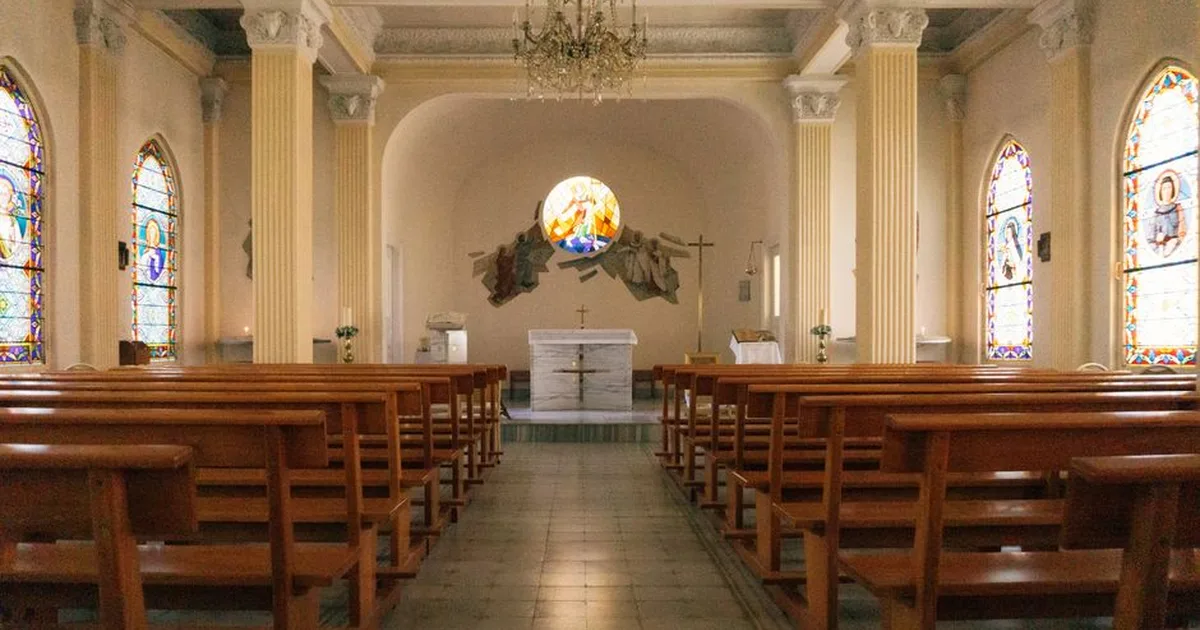
At EncuentraIglesias.com, we believe the Bible is a living book that speaks to our reality. In this Faith and Life section, we want to help you integrate daily readings into your prayer routine. Whether you're Catholic, Protestant, or simply someone on a spiritual journey, the Scriptures have something to say to you today.
Below, we'll explore how to access these readings, what they mean, and how to apply them to your daily life. Get ready for a faith journey that will transform your day.
What Are USCCB Readings and Why Do They Matter?
The USCCB publishes a calendar of Bible readings that follows the Catholic Church's liturgical year. This three-year cycle (Years A, B, C) covers the Synoptic Gospels and the Gospel of John, along with readings from the Old Testament, Psalms, and Epistles. But don't worry if you're not Catholic: these readings are an excellent way to study the Bible systematically.
The Structure of Daily Readings
Each day includes three main readings: one from the Old Testament (or Acts during Easter), a Responsorial Psalm, and a Gospel. On feast days, there is also a second reading from the Epistles. This structure helps you see how the Scriptures relate to each other and how they point to Jesus Christ.
For example, if today is a weekday in Ordinary Time, the readings are often connected by a common theme. The USCCB also offers a brief reflection for each day, but you can go deeper with the help of the Holy Spirit.
How to Find Today's USCCB Readings?
There are several ways to access the daily readings. The most direct is to visit the official USCCB website, where you'll find the day's readings with links to full Bible texts. You can also use mobile apps like "Daily Word" or "iBreviary," which sync the liturgical calendar.
Another option is to subscribe to an email newsletter that sends the readings each morning. Many parishes also post them on social media or their websites. If you prefer a community approach, join a Bible study group that follows the lectionary.
Tips for Fruitful Reading
It's not just about reading, but about listening to God. Before opening the Bible, say a brief prayer asking for understanding. Read the passage aloud if possible, then meditate in silence. Ask yourself: What does this say to me today? How can I apply it to my life?
I recommend keeping a spiritual journal where you write down your reflections. Over time, you'll see how God speaks to you through Scripture in a personal and powerful way.
Practical Example: A Typical Day's Readings
To illustrate, let's take a hypothetical day in Ordinary Time. Suppose the readings are: Isaiah 55:10-11 (God sends his word like rain), Psalm 65 (praise for divine provision), and Matthew 6:24-34 (do not worry about tomorrow).
The common theme is trust in God's providence. Isaiah compares God's Word to rain that nourishes the earth; the psalmist gives thanks for the harvest; Jesus invites us to seek first the Kingdom. Together, these texts encourage you to trust that God will supply your needs.
You can apply this to your life: In what areas do you struggle to trust? Perhaps in your finances, health, or relationships. Take a moment to pray and surrender those concerns to God, remembering that He cares for you.





Comments