
If you've ever wondered what the Eucharist is and why it matters, you're not alone. This word, often heard in Christian churches, holds a beautiful and transformative mystery. The Eucharist is far more than a simple ritual; it is a living encounter with Jesus, a sacred meal that unites us as a community and nourishes us spiritually. In this article, we'll explore its biblical origins, its theological significance, and how you can experience it in a practical and meaningful way today.
Biblical Origins of the Eucharist
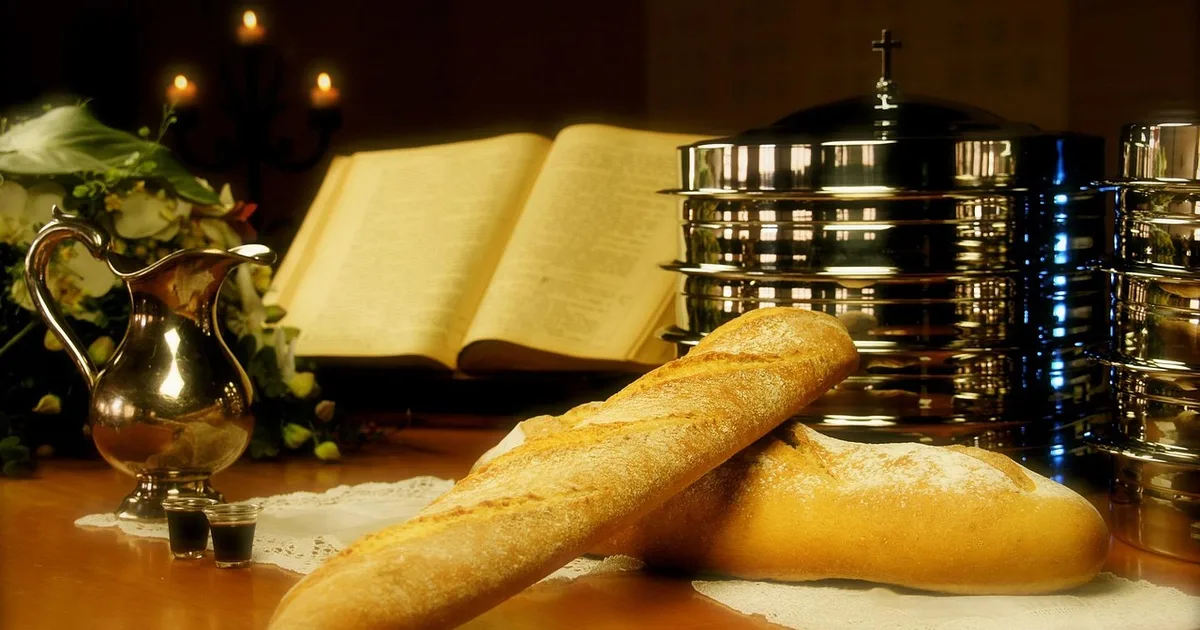
The Eucharist traces its roots to Jesus' Last Supper with his disciples, the night before his crucifixion. In the Gospels, we read how Jesus took bread and wine, gave thanks, broke them, and shared them, saying, "This is my body" and "This is my blood of the new covenant" (Matthew 26:26-28, NIV). This act was not just an ordinary meal; Jesus was instituting a memorial that his followers would repeat in his honor.
"While they were eating, Jesus took bread, and when he had given thanks, he broke it and gave it to his disciples, saying, 'Take and eat; this is my body.' Then he took a cup, and when he had given thanks, he gave it to them, saying, 'Drink from it, all of you. This is my blood of the covenant, which is poured out for many for the forgiveness of sins.'" (Matthew 26:26-28, NIV)
The apostle Paul also passes on this tradition in 1 Corinthians 11:23-26, explaining that whenever we eat the bread and drink the cup, we proclaim the Lord's death until he comes. The Eucharist, therefore, is an act of remembrance—not just of the past, but a proclamation of faith in the present and a hope for the future.
Theological Significance of the Eucharist
To understand what the Eucharist is and why it matters, we must look beyond the bread and wine. The Eucharist is a sacrament—a visible sign of an invisible grace. Through it, believers experience the real presence of Jesus Christ in a unique way. Although different Christian traditions interpret this presence differently (real, spiritual, or symbolic), all agree that the Eucharist is a means of grace that strengthens faith and union with Christ and the church.
The Eucharist as Thanksgiving
The word "Eucharist" comes from the Greek eucharistia, meaning "thanksgiving." Jesus himself gave thanks to the Father before breaking the bread. Therefore, every Eucharist is a moment of gratitude for creation, redemption, and God's unconditional love. By participating, you join that prayer of thanksgiving, acknowledging that every good thing comes from Him.
The Eucharist as Communion
Another central aspect is communion. By sharing the same bread and wine, believers express their unity in Christ. Paul puts it clearly: "Because there is one loaf, we, who are many, are one body, for we all share the one loaf" (1 Corinthians 10:17, NIV). The Eucharist reminds us that we are not alone on the journey of faith; we are part of a spiritual family that transcends borders and denominations.
The Eucharist as Memorial and Sacrifice
Finally, the Eucharist is a memorial of Jesus' sacrifice on the cross. It is not a new sacrifice but a making-present of Christ's one sacrifice. When we celebrate it, we unite ourselves to his perfect offering and receive the fruits of his redeeming love. It is a mystery that invites us to humility and self-giving.
The Eucharist in Practical Christian Life
Now that you know what the Eucharist is and why it matters, you might wonder how to live it out daily. Here are some ideas:
- Prepare your heart: Before participating in the Eucharist, take time to examine your heart, ask for forgiveness, and be reconciled with God and others. Confession and repentance open the door to a deeper experience of grace.
- Receive with reverence: Approach the altar with a humble and expectant heart. Whether you receive bread and wine or just bread, do so with gratitude, remembering that you are receiving Christ himself.
- Live in communion: The Eucharist calls us to be one body. Seek opportunities to serve others, forgive, and build unity in your church and community. Let the Eucharist transform your relationships.
- Extend thanksgiving: Make gratitude a lifestyle. After receiving the Eucharist, carry that spirit of thanks into your day, recognizing God's presence in every moment.
The Eucharist is a gift that invites us into deeper relationship with Jesus and with one another. Whether you are a lifelong Christian or just exploring the faith, may you encounter the living Christ in this sacred meal and be transformed by his love.


Comments