
A Bible dictionary is a reference tool that provides definitions, historical context, and cultural background for words, places, people, and concepts found in Scripture. Unlike a regular dictionary, it helps you understand the original meaning of terms—like "justification" or "tabernacle"—within their biblical setting. Using a Bible dictionary can transform your reading from surface-level to deeply informed, making ancient texts come alive with fresh relevance.
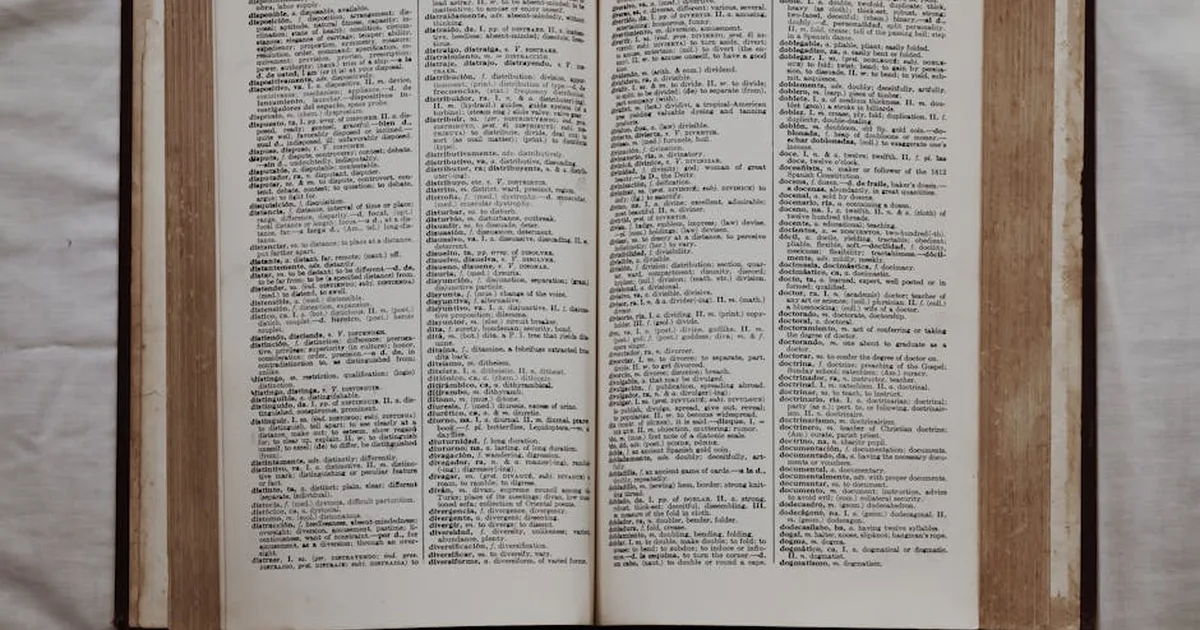
When you open your Bible and encounter an unfamiliar name or custom, a Bible dictionary offers quick clarity. It bridges the gap between the modern reader and the ancient world, answering questions like: What did a shepherd's life really look like? Or why did Paul refer to the "righteousness of God"? This tool is not just for scholars; it's for anyone who wants to grow in understanding and faith.
“All Scripture is breathed out by God and profitable for teaching, for reproof, for correction, and for training in righteousness” (2 Timothy 3:16, ESV).
By using a Bible dictionary, you honor this passage by studying Scripture with greater accuracy. It helps you avoid misinterpretations that arise from reading modern meanings into ancient words. Whether you're a new believer or a lifelong student, a Bible dictionary is an invaluable companion.
How a Bible Dictionary Enhances Your Personal Devotions
Many Christians read the Bible daily but struggle to connect with passages that feel distant or confusing. A Bible dictionary can turn that struggle into discovery. For example, when you read about the "Day of Atonement" in Leviticus, a dictionary explains its rituals and significance, which then illuminates why Jesus is called our great High Priest in Hebrews.
Here are a few practical ways to use a Bible dictionary in your devotions:
- Look up key terms before you read a chapter. If you're studying the book of Ruth, search for "gleaning" to understand the social laws behind the story.
- Explore names and places to see God's hand in history. The name "Bethel" means "house of God," and knowing that enriches Jacob's encounter there (Genesis 28).
- Understand cultural customs like marriage, feasts, or temple worship. This prevents you from imposing modern assumptions onto the text.
“Now these things happened to them as an example, but they were written down for our instruction” (1 Corinthians 10:11, ESV).
Using a Bible dictionary helps you receive that instruction more clearly. It's like having a knowledgeable guide walk alongside you through every page. Over time, you'll notice that your prayers and reflections become more grounded in the true meaning of Scripture.
Using a Bible Dictionary for Group Study and Teaching
Small groups and Sunday school classes can benefit greatly from incorporating a Bible dictionary. When a passage raises questions, the group can look up terms together, sparking deeper discussion. For instance, if you're studying the parable of the Good Samaritan, a dictionary entry on "Samaritan" explains the historical animosity between Jews and Samaritans, which heightens the parable's radical message of love.
For teachers and leaders, a Bible dictionary is essential for preparing lessons. It ensures that your explanations are accurate and that you can answer questions with confidence. It also helps you avoid common errors, like assuming that "hell" in the New Testament always refers to the same concept—a dictionary clarifies the different terms (Sheol, Hades, Gehenna) and their contexts.
Even if you're not teaching, sharing insights from a Bible dictionary with friends can enrich conversations about faith. It's a tool that builds unity around a shared, accurate understanding of God's Word.
Practical Tips for Getting the Most Out of a Bible Dictionary
To make a Bible dictionary a regular part of your study, try these approaches:
- Start with one book of the Bible. As you read, write down unfamiliar terms and look them up. Over time, you'll build a personal reference library in your mind.
- Use both print and digital versions. Many free online Bible dictionaries are available, but a physical copy can be helpful for deeper study without distractions.
- Don't just read the definition—reflect. Ask yourself: How does this meaning change my understanding of this passage? How does it reveal God's character?
- Combine with other tools. A Bible dictionary works well alongside a concordance, commentary, or atlas for a fuller picture.
Remember, the goal is not to become a scholar but to know God more intimately. A Bible dictionary is a means to that end, helping you hear His voice more clearly through His Word.
Conclusion: A Simple Tool for a Deeper Faith
Incorporating a Bible dictionary into your study routine is a small step that yields lasting fruit. It demystifies difficult passages, corrects misunderstandings, and opens up the richness of Scripture. Whether you're reading alone or with others, this tool helps you engage with the Bible on its own terms, leading to a faith that is both informed and heartfelt.
As you continue your journey, remember that every word of Scripture is purposeful. A Bible dictionary helps you uncover that purpose, one term at a time. Why not try it today? Pick a verse that has always puzzled you, look up its key words, and see what new insights emerge.
Reflection question: What Bible passage have you always wanted to understand better, and how might a Bible dictionary help you explore it?





Comments