
If you've ever wondered how Christians in the centuries after the Reformation managed to hold onto both the ancient truths of the faith and the new insights of the Reformers, Amandus Polanus is a name worth knowing. Born in 1561 in what is now Germany, Polanus was a Reformed theologian who lived during a time of intense theological ferment. The dust of the Reformation was still settling, and churches were trying to figure out how to articulate their beliefs clearly, both for their own members and in dialogue with other traditions.
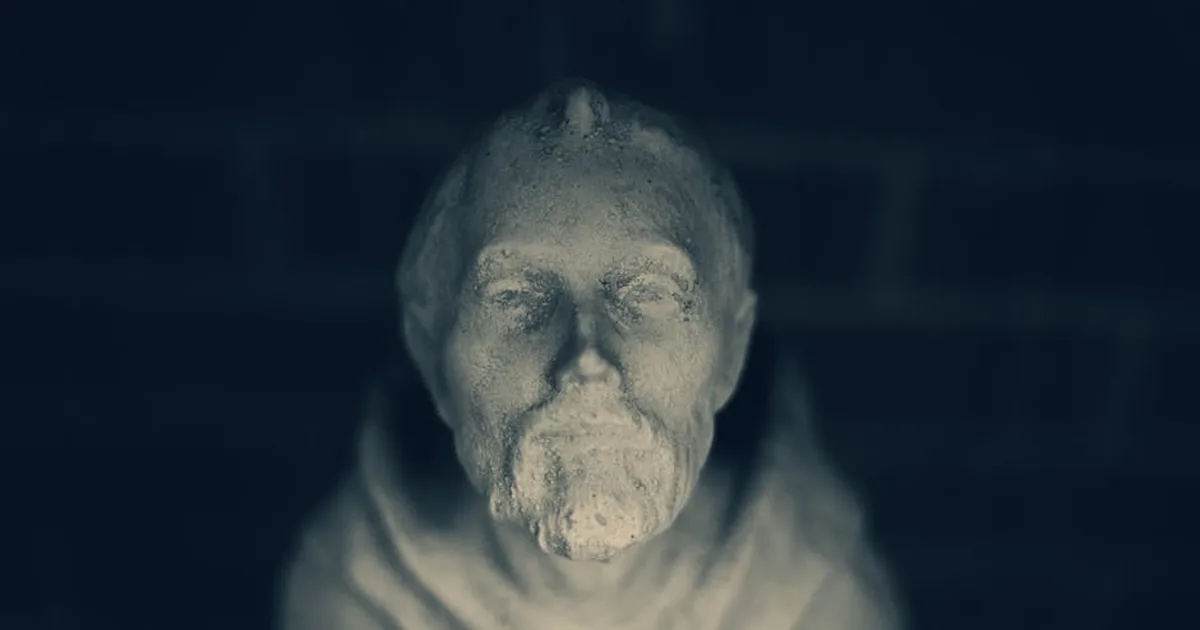
Polanus is best known for his massive work Syntagma Theologiae Christianae, a systematic theology that sought to present the whole of Christian doctrine in an orderly, biblical, and historically informed way. He didn't just repeat the Reformers; he engaged with the broader Christian tradition—including medieval scholastics and early church fathers—to show how Reformed theology was both continuous with historic Christianity and distinct in its emphases.
Why Polanus Matters Today
In our fragmented age, where Christians often struggle to find common ground, Polanus offers a model of theological integration. He didn't see the Reformation as a break from the past, but as a renewal that needed to be connected to the church's long history. His approach reminds us that we don't have to choose between being biblical and being traditional; we can be both.
A Bridge Between Traditions
Polanus was a Reformed theologian, but he drew heavily on the work of Thomas Aquinas and other medieval thinkers. He believed that the tools of Aristotelian philosophy, when used carefully, could help clarify and defend biblical truths. This might sound technical, but at its heart it's about using our minds to love God better. Polanus showed that reason and revelation are not enemies; they are partners in the pursuit of truth.
For example, when explaining the Trinity, Polanus used the language of substance and persons, terms that had been refined over centuries of Christian reflection. He didn't invent new ideas; he clarified and defended the ancient faith. This is a valuable lesson for us today: we don't need to reinvent the wheel. The church has been thinking about God for two thousand years, and we can learn from that history.
What Polanus Can Teach Us About the Trinity
The doctrine of the Trinity is central to Christian faith, but it can also be confusing. How can God be one and three at the same time? Polanus approached this mystery with humility and precision. He emphasized that the Trinity is not a contradiction but a mystery that our finite minds can never fully grasp. Yet he also showed that the biblical witness is clear: the Father, Son, and Holy Spirit are each fully God, and yet there is only one God.
One of his key insights was that the persons of the Trinity are distinguished by their relations to one another. The Father is unbegotten, the Son is eternally begotten of the Father, and the Spirit proceeds from the Father and the Son. This relational understanding helps us see that the Trinity is not a abstract concept but a dynamic reality of love. As the Bible says,
“God is love.” (1 John 4:8, ESV)This love is not just an attribute of God; it's who God is in his very being as Father, Son, and Holy Spirit.
Practical Implications for Our Faith
If God is a Trinity of love, then we are created for relationship. We are made in the image of this relational God, which means we thrive in community. Polanus's theology reminds us that our faith is not just about believing the right things; it's about entering into the life of God, which is a life of love. When we gather for worship, pray, or serve one another, we are participating in the very life of the Trinity.
This is not just abstract theology. It has real consequences for how we live. If God is relational, then we cannot be Christians alone. We need the church, the body of Christ, to grow in our faith. And we need to extend that love to others, especially those who are different from us.
Polanus and the Authority of Scripture
Another area where Polanus shines is his view of Scripture. He believed that the Bible is the Word of God, fully authoritative and sufficient for faith and life. But he also recognized that the Bible was written in specific historical contexts and needs to be interpreted carefully. He didn't fall into the trap of thinking that the Bible interprets itself without any help from tradition or reason.
Instead, he argued that the church's creeds and confessions, while not infallible, are helpful guides to understanding Scripture. They summarize what the church has always believed and protect us from novel interpretations that might lead us astray. This balanced approach is a model for us today, as we navigate debates about biblical interpretation.
Applying Polanus's Wisdom Today
So what can we take away from Amandus Polanus? First, we can learn to appreciate the richness of our Christian heritage. We don't have to start from scratch. The Holy Spirit has been guiding the church for centuries, and we can learn from the wisdom of those who came before us.
Second, we can embrace both faith and reason. Polanus shows us that using our minds to understand God is not a threat to faith but a way of loving him. As Jesus said,
“You shall love the Lord your God with all your heart and with all your soul and with all your mind.” (Matthew 22:37, ESV)
Finally, we can hold onto the centrality of the Trinity. Our God is not a distant, solitary being but a community of love. We are invited into that community through Christ and by the Spirit. This is the heart of the gospel, and it's a message that never grows old.
Take a moment to reflect: How does the doctrine of the Trinity shape your daily life? Do you see your relationships as a reflection of God's own relational nature? Consider spending time this week meditating on the love of the Father, the grace of the Son, and the fellowship of the Holy Spirit.





Comments