
In our walk of faith, few topics touch the human heart as deeply as Christian reflection on forgiveness. We've all experienced wounds, disappointments, and offenses that leave scars on the soul. As followers of Christ, we face that fundamental question: how do we forgive when the pain is real and injustice seems overwhelming? This reflection isn't a theoretical exercise, but a vital process that transforms our relationships with God, with others, and with ourselves.
The Biblical Foundation of Forgiveness
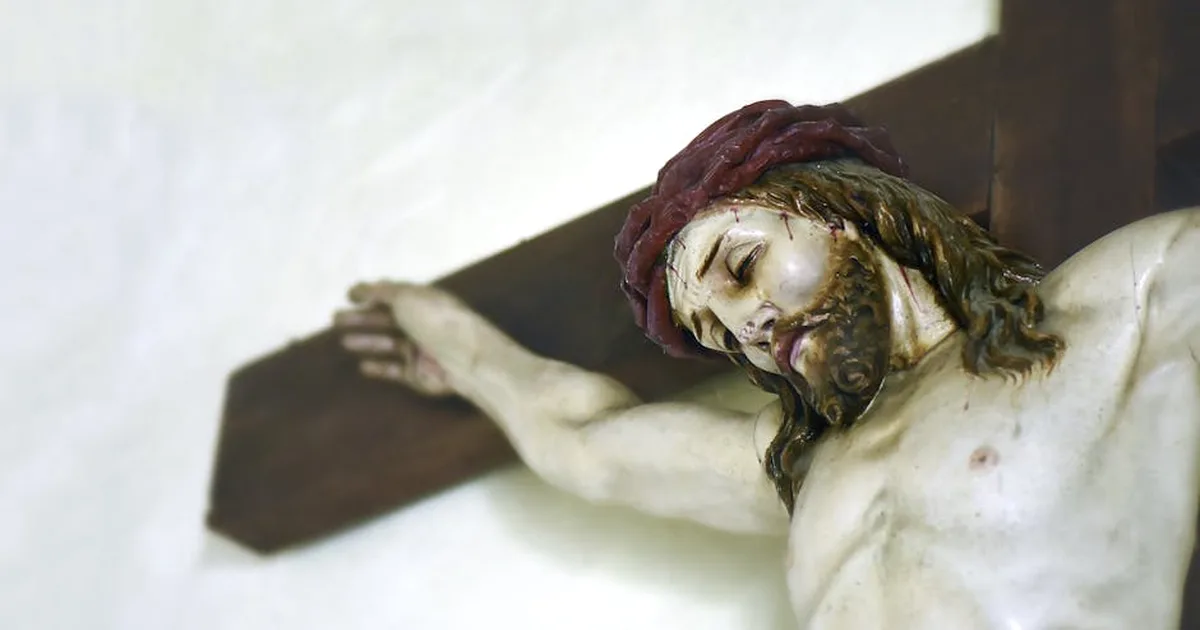
The Bible presents forgiveness not as an option, but as a commandment rooted in God's very character. From the pages of the Old Testament to Jesus' teachings, we find a common thread showing how forgiveness is essential for spiritual life. Let's remember Jesus' words on the cross: "Father, forgive them, for they do not know what they are doing" (Luke 23:34, NIV). This supreme act of mercy establishes the model for our own forgiveness journey.
Forgiveness in the Old Testament
Although sometimes we think the Old Testament emphasizes justice over mercy, we find numerous examples of divine forgiveness. Psalm 103:12 offers us a powerful image: "As far as the east is from the west, so far has he removed our transgressions from us." This infinite distance symbolizes how God completely removes our sins when we repent. The prophet Micah beautifully summarizes this truth: "Who is a God like you, who pardons sin and forgives the transgression of the remnant of his inheritance?" (Micah 7:18, NIV).
Jesus' Teachings on Forgiveness
Jesus took forgiveness teaching to a radically new level. In the Sermon on the Mount, he establishes a direct connection between our forgiveness of others and the forgiveness we receive from God: "For if you forgive other people when they sin against you, your heavenly Father will also forgive you. But if you do not forgive others their sins, your Father will not forgive your sins" (Matthew 6:14-15, NIV). This teaching confronts us with the reality that forgiveness isn't negotiable in Christian life.
The Practical Process of Forgiveness
Forgiving doesn't happen by magic. It's a process that requires intentionality, time, and above all, God's grace. Many Christians struggle with this reality, especially when wounds are deep or repeated. An authentic Christian reflection on forgiveness acknowledges these difficulties while pointing the way toward liberation.
Acknowledging the Pain
The first step toward forgiveness is honestly acknowledging the pain we've experienced. We cannot forgive what we don't admit has hurt us. Jesus himself experienced betrayal, abandonment, and physical pain, showing us that acknowledging our suffering isn't a sign of spiritual weakness, but of human authenticity. The psalmist expresses this honesty when he cries: "Search me, God, and know my heart; test me and know my anxious thoughts" (Psalm 139:23, NIV).
Choosing to Forgive
Forgiveness begins with a decision, not a feeling. This distinction is crucial. We can choose to forgive even when our feelings are still hurt. The parable of the unmerciful servant (Matthew 18:21-35) shows us the importance of this decision. When Peter asks how many times he should forgive, Jesus responds: "I tell you, not seven times, but seventy-seven times" (Matthew 18:22, NIV). This answer isn't mathematical, but an invitation to unlimited forgiveness that reflects the infinite forgiveness we've received from God.
Releasing the Offender
The central act of forgiveness is releasing the offender from the debt we hold against them. This doesn't necessarily mean we restore the relationship exactly as before (especially in cases of abuse or toxic patterns), but that we let go of the right to vengeance or resentment. As Paul reminds us: "Be kind and compassionate to one another, forgiving each other, just as in Christ God forgave you" (Ephesians 4:32, NIV).
Forgiveness as a Healing Process
Christian forgiveness isn't just a one-time act, but an ongoing healing process. Sometimes we need to forgive the same offense again and again, especially when memories bring back pain. This doesn't mean the first forgiveness wasn't genuine, but that heart healing takes time. Jesus understood this human reality when he taught about the need to forgive repeatedly.
In our Christian community, supporting each other in this process is essential. Sharing our struggles with mature brothers and sisters in faith, seeking pastoral counsel when wounds are deep, and praying together for the grace to forgive are practices that strengthen our walk. Let's remember that forgiveness isn't a sign of weakness, but of spiritual strength that comes from God.
In these times when divisions seem to grow, the message of forgiveness is more relevant than ever. As followers of Christ, we're called to be agents of reconciliation in a wounded world. The forgiveness we've freely received from God becomes the source from which we can offer forgiveness to others, creating spaces of healing and hope in our families, churches, and communities.



Comments