
In recent months, the world has watched with concern as events unfold involving the revocation of citizenship and the suppression of critical voices in some Gulf countries. As geopolitical tensions intensify, stories emerge of people stripped of their legal status—like journalist Ahmed Shihab-Eldin, who had his passport revoked for sharing a video of a plane crash. These events challenge us deeply: What does it truly mean to belong to a nation? And for us as Christians, where does our ultimate citizenship lie?
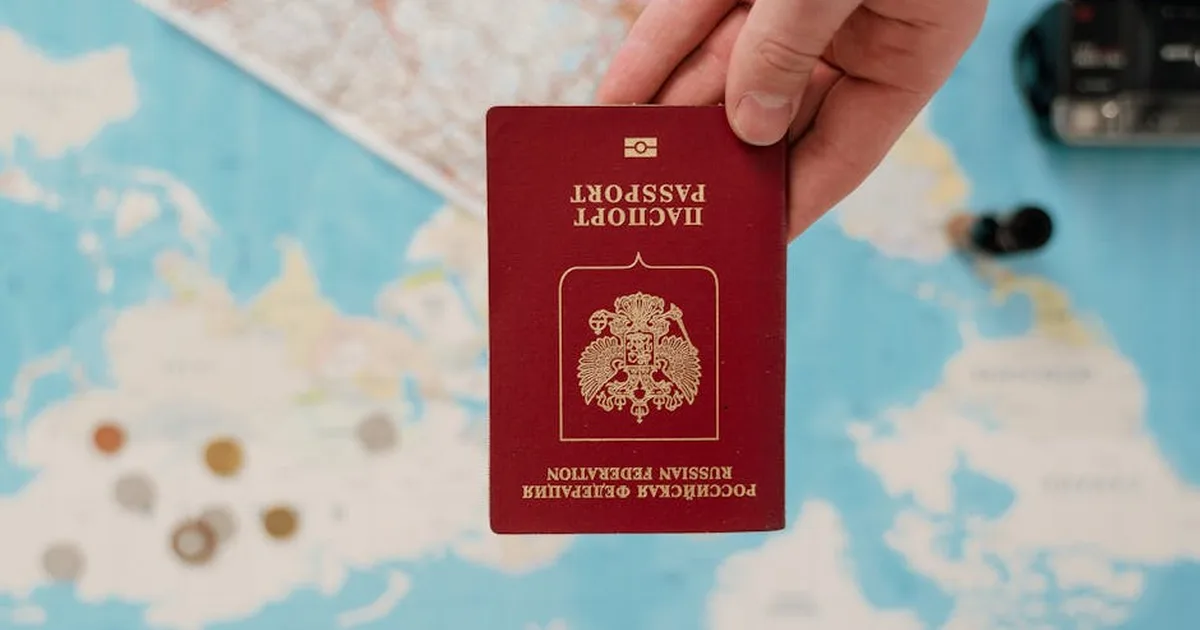
The Bible reminds us that our fundamental belonging is not earthly. As the apostle Paul writes to the Philippians:
"But our citizenship is in heaven, and from it we await a Savior, the Lord Jesus Christ" (Philippians 3:20, ESV).This truth invites us to reflect on how we live our relationship with earthly authorities and with our neighbors, especially in contexts of conflict and injustice.
Citizenship as a Tool of Power
Revoking citizenship is a grave act, affecting not only a person's legal status but also their identity and ability to live freely. In Bahrain, 69 people lost their citizenship for alleged sympathies with Iran. For activists, this represents an opportunity to intensify repression amid regional conflict. But what does the Gospel say in the face of such power dynamics?
Jesus himself lived under an oppressive regime and spoke clearly about our relationship with authority. When asked whether it was lawful to pay taxes to Caesar, he replied:
"Render to Caesar the things that are Caesar's, and to God the things that are God's" (Matthew 22:21, ESV).This statement does not simply separate the sacred from the secular; it calls us to recognize that all human power is relative and subject to God. Earthly citizenship is a gift, but it must never be used to deny human dignity or to persecute.
The Danger of Weaponizing Faith
In some regions, religion is used to justify divisions and conflicts. Christians are called to be peacemakers, not instruments of division. As we read in the letter of James:
"And a harvest of righteousness is sown in peace by those who make peace" (James 3:18, ESV).Instead of fueling hatred, we must witness a love that transcends national, ethnic, and religious boundaries.
The Church's Response: Welcome and Solidarity
Faced with these situations, the universal Church, guided by Pope Leo XIV, is called to be a voice for the voiceless. The Pope, elected in May 2025, has already expressed his closeness to all who suffer from conflict and injustice. Christian faith compels us to see in every person a brother or sister, regardless of the passport they hold.
The apostle Peter exhorts us:
"Show hospitality to one another without grumbling" (1 Peter 4:9, ESV).In a world where borders become barriers, Christians are called to build bridges. This means supporting refugees, stateless persons, and all those deprived of their fundamental rights.
A Concrete Example: Prayer and Action
We can begin with prayer for rulers and for the persecuted. The Bible asks us to pray for all people:
"First of all, then, I urge that supplications, prayers, intercessions, and thanksgivings be made for all people, for kings and all who are in high positions, that we may lead a peaceful and quiet life, godly and dignified in every way" (1 Timothy 2:1-2, ESV).Additionally, we can educate ourselves and support Christian organizations working with refugees and stateless people. In a world that often builds walls, let us be bridge-builders, remembering that our true citizenship is in heaven.
May the Lord grant us wisdom to live as citizens of heaven while walking on this earth, bringing hope and love to all we meet.


Comments