
Ecumenical dialogue among Christian churches continues to be a sign of hope in a world marked by divisions and conflicts. Recently, a significant meeting brought together Pope Leo XIV and the Archbishop of Canterbury, Sarah Mullally, to renew the common commitment to the visible unity of Christians. This event follows the path begun in 1966 by Paul VI and Michael Ramsey, which opened a new era of dialogue and collaboration.
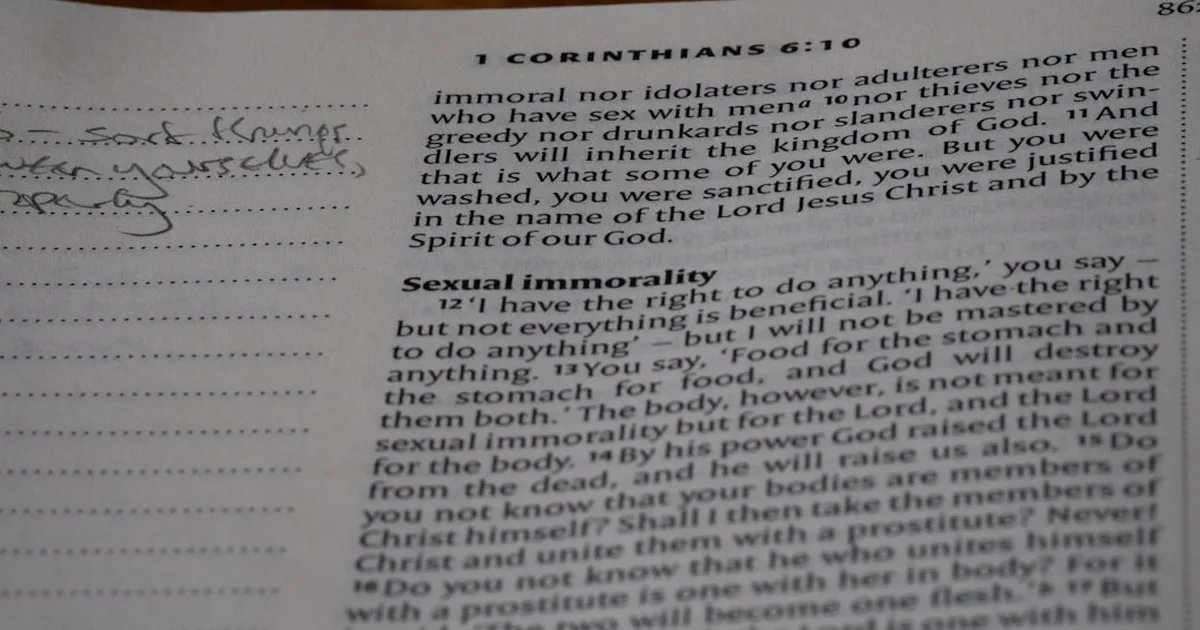
The meeting underscored that division among Christians is a scandal that weakens the witness of the Gospel in the world. The Pope reiterated that not working to overcome differences is a sin against the will of Christ, who prayed for the unity of his disciples (John 17:21).
Global Challenges: Peace, Dialogue, and Witness
Today's world is marked by violence, injustice, and inequality. Christian leaders are called to give a common response, not only with words but with concrete actions. The commitment to peace is an absolute priority: in a time when so many conflicts stain the planet with blood, the voice of Christians must be united to call for ceasefires and promote reconciliation.
Interfaith dialogue is another fundamental pillar. Meetings like the one between the Pope and Archbishop Mullally show that it is possible to build bridges, even between different traditions, to face global challenges together such as the climate crisis, poverty, and the persecution of Christians.
“Blessed are the peacemakers, for they will be called children of God” (Matthew 5:9, NIV).
Christian witness passes through charity and service. Churches are called to be leaven in society, bringing hope where there is despair and love where there is hatred.
The Role of the Faithful in Building Unity
Not only leaders, but every Christian is called to live ecumenism in daily life. Praying together, collaborating in solidarity projects, learning about other Christian traditions: these are concrete steps to overcome prejudices and divisions.
The journey toward unity is not easy, but it is necessary. As the Pope reminded us, the Holy Spirit is the principal author of unity, and we are called to be docile to his guidance.
A Concrete Example: Collaboration in Missions
In many countries, Christians from different denominations already work together to bring help to those in need. These experiences show that, despite theological differences, it is possible to share the same faith in Christ and the same love for neighbor.
The meeting between the Pope and Archbishop Mullally is an invitation to all Christians to renew their commitment to unity, convinced that it is a gift from God and a responsibility for the Church.
Final Reflection
Dear brothers and sisters, the unity of Christians is not an option, but a priority of the Gospel. Jesus prayed that all may be one, so that the world may believe. Today, more than ever, we need a credible and united witness.
I invite you to reflect: what can I do, in my community, to foster dialogue and collaboration with other Christians? How can I be an instrument of peace and unity?


Comments