
In a world often divided by visible and invisible boundaries, there are places where the human spirit overcomes barriers to create bridges of understanding. Sri Lanka, with its complex history of ethnic and religious tensions, has known deep wounds that still require time to heal. Yet, precisely in this context, stories emerge that warm the heart and remind us of our common humanity.
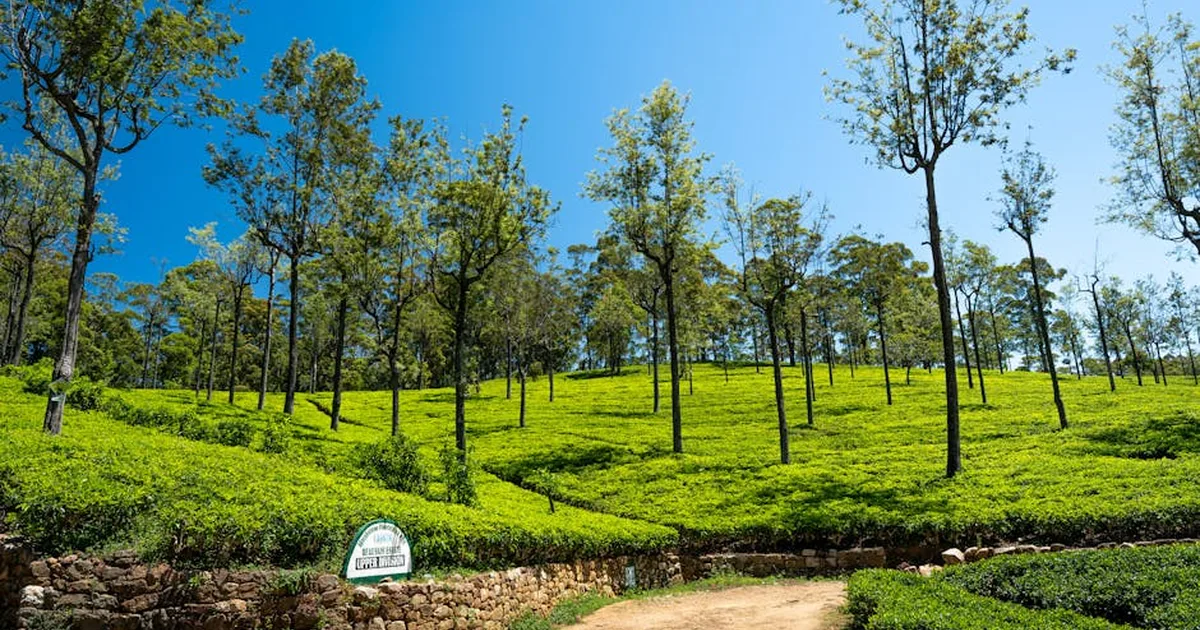
Recently, in a small community connected to tea plantations, a significant event occurred: people of different faiths – Christians, Buddhists, and Hindus – gathered to celebrate the Sinhalese New Year together. This was not merely a social gathering, but a conscious gesture of dialogue and reconciliation, a seed of peace planted in soil that has known much conflict.
For us Christians, these initiatives resonate deeply with the Gospel message. As the apostle Paul reminds us:
"There is neither Jew nor Gentile, neither slave nor free, nor is there male and female, for you are all one in Christ Jesus." (Galatians 3:28, NIV)This verse does not erase our cultural or religious identities, but places them within a broader perspective of universal brotherhood.
Interreligious Dialogue as an Expression of Charity
Dialogue between people of different faiths is often viewed with suspicion, as if it implied weakening one's own convictions. On the contrary, authentic interreligious dialogue springs from the strength of one's own identity and a sincere desire to understand the other. Pope Francis, in his encyclical Fratelli Tutti, emphasized how encounters between different spiritual traditions can enrich all participants.
Although Pope Francis left us in April 2025, his teaching on dialogue and fraternity remains more relevant than ever. His successor, Pope León XIV, continues on this path, encouraging Catholics to be bridge-builders in a fragmented world. This ecumenical and interreligious commitment finds natural resonance in platforms like EncuentraIglesias.com, which seeks to unite Christians beyond denominational divisions.
At the event in Sri Lanka, one participant expressed a simple but profound truth: "Those who love are free and trap no one." These words recall John's teaching:
"God is love. Whoever lives in love lives in God, and God in them." (1 John 4:16, NIV)Authentic love does not seek to possess or control, but to liberate and uplift.
Biblical Roots of Encountering the Other
The Bible offers numerous examples of encounters between people of different cultures and religions, often with surprising outcomes. In the book of Kings, the story of Naaman the Syrian's healing through the prophet Elisha (2 Kings 5) shows how God works beyond national and religious boundaries. Naaman was an enemy commander, but through his encounter with the God of Israel, he experienced healing and professed his faith.
In the New Testament, Jesus himself continually breaks the social and religious barriers of his time. His encounter with the Samaritan woman at the well (John 4) is particularly significant. Samaritans were considered heretics by Jews, and women could not testify in court, yet Jesus chooses precisely this woman as the first missionary among Samaritans.
The apostle Peter, initially reluctant to accept non-Jews into the Christian community, receives a clear vision:
"Do not call anything impure that God has made clean." (Acts 10:15, NIV)This revelation opens the way for Gentiles to enter the emerging Church, showing how the Holy Spirit often works through unexpected encounters.
Three Principles for Authentic Dialogue
- Active Listening: Rather than preparing responses, it's about truly understanding the other's perspective.
- Mutual Respect: Recognizing the dignity of every person, regardless of their beliefs.
- Common Search for Truth: Dialogue doesn't mean abandoning one's convictions, but seeking together the truth that transcends us all.
The experience in Sri Lanka reminds us that although our religious traditions may differ, we share a common humanity and a longing for peace. In a world where divisions seem to deepen, these gestures of unity become beacons of hope illuminating the path toward more fraternal coexistence.


Comments