
Throughout 2025, the world has witnessed one of the most painful chapters in recent history. According to United Nations data, nearly nine hundred people from the Rohingya community lost their lives during desperate sea journeys. These souls, driven by despair, sought refuge in Malaysia and Indonesia, fleeing an ongoing conflict in Myanmar's Rakhine State and the increasingly dire conditions in refugee camps in Bangladesh. As Christians, we cannot remain indifferent to such suffering. Every life lost is a brother, a sister, a child for whom Christ gave His life.
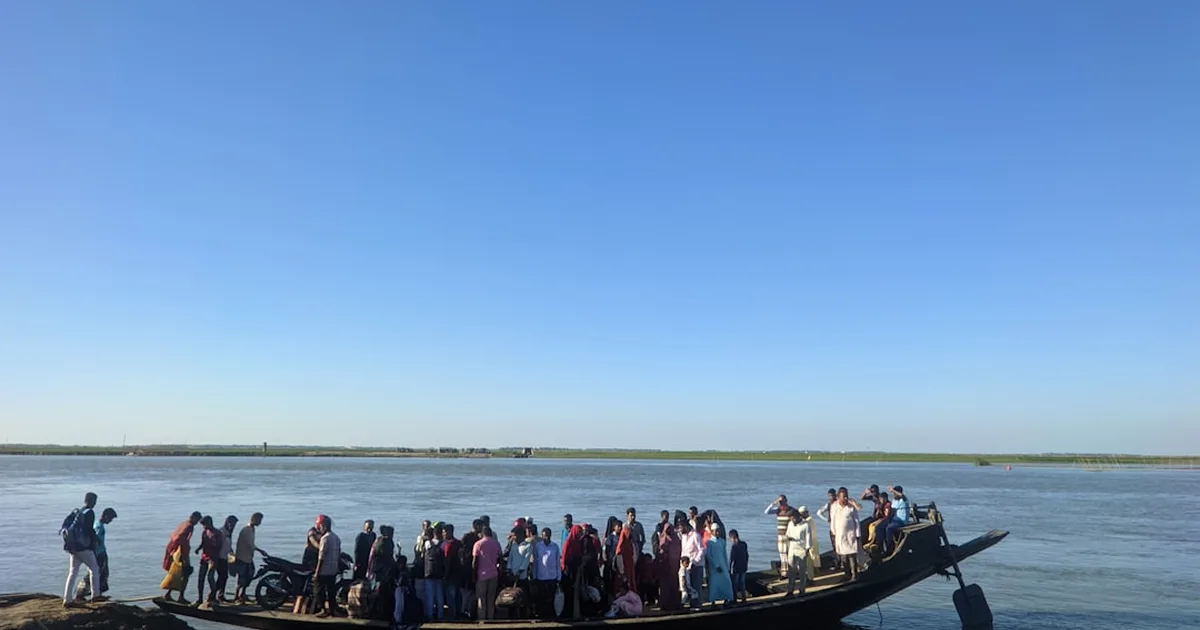
The Rohingya situation represents an open wound in the human family. For years, this Muslim minority has endured persecution, violence, and discrimination in their homeland. The escalation of conflict in Rakhine has created a new wave of displaced people, forcing thousands to undertake extremely dangerous journeys across the Indian Ocean. Overcrowded boats, unpredictable storms, and inadequate rescue efforts have turned these routes into tragic death traps.
Faced with this news, our hearts as believers are shaken by deep questions: Where is justice? How can we answer the cry of the most vulnerable? God's Word constantly reminds us of our responsibility toward the stranger, the oppressed, the needy. In a world that often closes its eyes to others' pain, we are called to be witnesses of Christ's love through concrete actions of solidarity.
The Biblical Roots of Our Response
Scripture offers us a solid foundation for understanding our calling toward those who suffer injustice and persecution. From the Old Testament, God reveals Himself as the defender of the oppressed and the protector of the foreigner. The book of Leviticus contains a clear and compelling command:
"The foreigner residing among you must be treated as your native-born. Love them as yourself, for you were foreigners in Egypt. I am the Lord your God" (Leviticus 19:34, NIV).This verse is not merely a moral suggestion but a divine imperative flowing from Israel's own experience of liberation.
In the New Testament, Jesus expands and deepens this vision through the parable of the Good Samaritan. In this powerful narrative, Christ radically redefines the concept of "neighbor," including precisely those who belong to different, distant, even hostile groups. The Samaritan, considered an outsider and a heretic by the Jews of the time, becomes the model of concrete and selfless love. His compassion is not limited to feelings of pity but translates into concrete actions: he approaches the wounded man, tends to his injuries, takes him to a safe place, and covers the expenses.
The apostle Paul, in his letter to the Galatians, offers us an even more radical vision of unity in diversity:
"There is neither Jew nor Gentile, neither slave nor free, nor is there male and female, for you are all one in Christ Jesus" (Galatians 3:28, NIV).These words demolish every barrier that separates human beings, affirming the equal and inviolable dignity of every person before God. In the face of the Rohingya tragedy, this theological truth becomes an ethical imperative calling us to action.
The Church's Response: Between Prayer and Concrete Action
The global Christian community has demonstrated on numerous occasions its ability to mobilize in the face of humanitarian crises. Catholic, Protestant, and Orthodox organizations often work together to bring relief to refugees, overcoming denominational divisions in the name of charity. This ecumenical collaboration is a powerful testimony of the Gospel in action, showing that what unites us in Christ is stronger than what divides us.
Prayer is the first and fundamental act of solidarity. Praying for the Rohingya means bringing their pain before the throne of divine mercy, interceding for their safety, and asking for wisdom for leaders making decisions that affect their lives. But authentic prayer always seeks to become action. As St. Augustine said, "Sing and walk." Our faith compels us to walk toward our suffering brother or sister.
Many local churches and Christian organizations are channeling humanitarian aid to refugee camps, providing food, clean water, medical care, and shelter. Furthermore, they advocate for more just and humane migration policies, reminding governments of their responsibility to protect the most vulnerable. In this context, the leadership of Pope Leo XIV has been a clear voice calling the international community not to abandon the Rohingya. His pastoral call to compassion and responsible action resonates with the Church's prophetic tradition.
As members of Christ's body, each of us is called to find our way to respond. It might be through donations to trusted organizations, volunteering, raising awareness in our communities, or simply through the gesture of welcome toward a refugee arriving in our country. Every act of kindness, no matter how small, is a seed of God's Kingdom planted amid the pain.


Comments