
In the heart of Bangladesh, premature rains are straining the boro rice harvest, the region's only major annual crop. Farmers, with calloused hands and hearts full of hope, are trying to salvage the unripe grains before it's too late. It's a race against time, where nature seems to turn against those who live by agriculture.
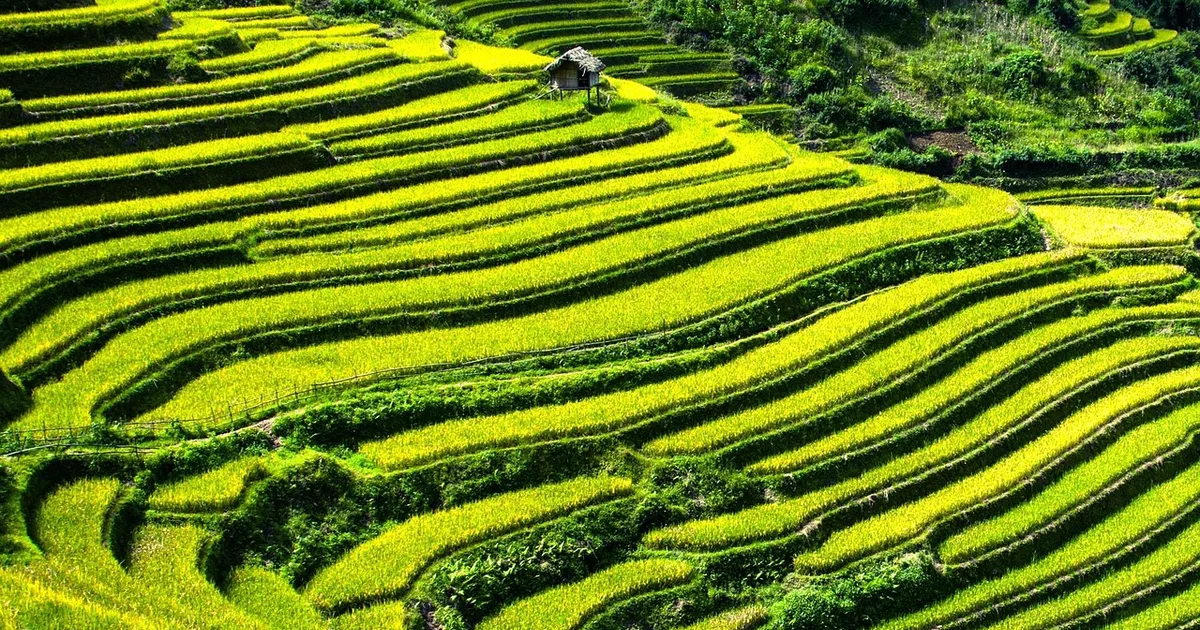
The situation is critical: local authorities worry about food security, while the people point to never-built embankments and clogged drainage systems. These human factors worsen the effects of climate change, turning a weather event into a full-blown calamity.
In this context of hardship, faith becomes a vital support. Many farmers turn to prayer, seeking comfort in Scripture. As Psalm 121 says: "I lift up my eyes to the hills—where does my help come from? My help comes from the Lord, the Maker of heaven and earth." This trust in God is not passive but translates into concrete action and community solidarity.
The Call to Care for Creation
The harvest crisis in Bangladesh challenges us as Christians regarding our responsibility toward creation. God entrusted humanity with the care of the earth (Genesis 2:15), and today we are called to respond urgently to environmental challenges. Soil degradation, deforestation, and inadequate infrastructure are the result of human choices that often ignore the common good.
As a faith community, we can do much: support sustainable development projects, promote environmentally friendly lifestyles, and pray for those suffering from climate disasters. The Bible reminds us that "the creation itself waits in eager expectation for the children of God to be revealed" (Romans 8:19). Every act of care for the earth is an act of Christian witness.
The Role of Infrastructure and Justice
Farmers in Bangladesh denounce the lack of planning in building embankments and drainage systems. This is not just a technical issue but a matter of social justice. The poorest communities are often the most vulnerable to extreme weather events, and the lack of adequate investment worsens inequalities.
The prophet Amos urges us: "But let justice roll on like a river, righteousness like a never-failing stream!" (Amos 5:24). As Christians, we are called to defend the rights of the weakest and to demand policies that protect rural communities. Our faith cannot remain locked in churches but must translate into commitment to a more just world.
Solidarity in Action: How We Can Help
Faced with crop loss, solidarity becomes a tangible sign of God's love. Several Christian organizations are already working in Bangladesh to provide food aid and technical support to farmers. We can contribute through donations, prayers, and raising awareness in our communities.
The letter of James reminds us: "What good is it, my brothers and sisters, if someone claims to have faith but has no deeds? Can such faith save them?" (James 2:14). Authentic faith manifests in concrete acts of charity. Even a small contribution can make a difference for a family that has lost its only livelihood.
Initiatives of Resilience and Hope
Some farmers are experimenting with new cultivation techniques more resistant to climate change. The local church promotes training courses and exchanges of good practices, encouraging cooperation among villages. These initiatives are signs of hope amid the crisis.
As Psalm 126 says: "Those who sow with tears will reap with songs of joy." Faith teaches us that even in the greatest difficulties, God is by our side.

Comments