
In a world where political borders and ideologies shift constantly, some gestures remind us that there is a King whose kingdom is not of this world. Poland, a nation with deep Christian roots, took a significant step in 2016 by symbolically proclaiming Jesus Christ as King of the country. This act, far from being a formal political declaration, was an act of faith and devotion that united bishops, leaders, and the faithful in a public acknowledgment of Christ's sovereignty over their land.
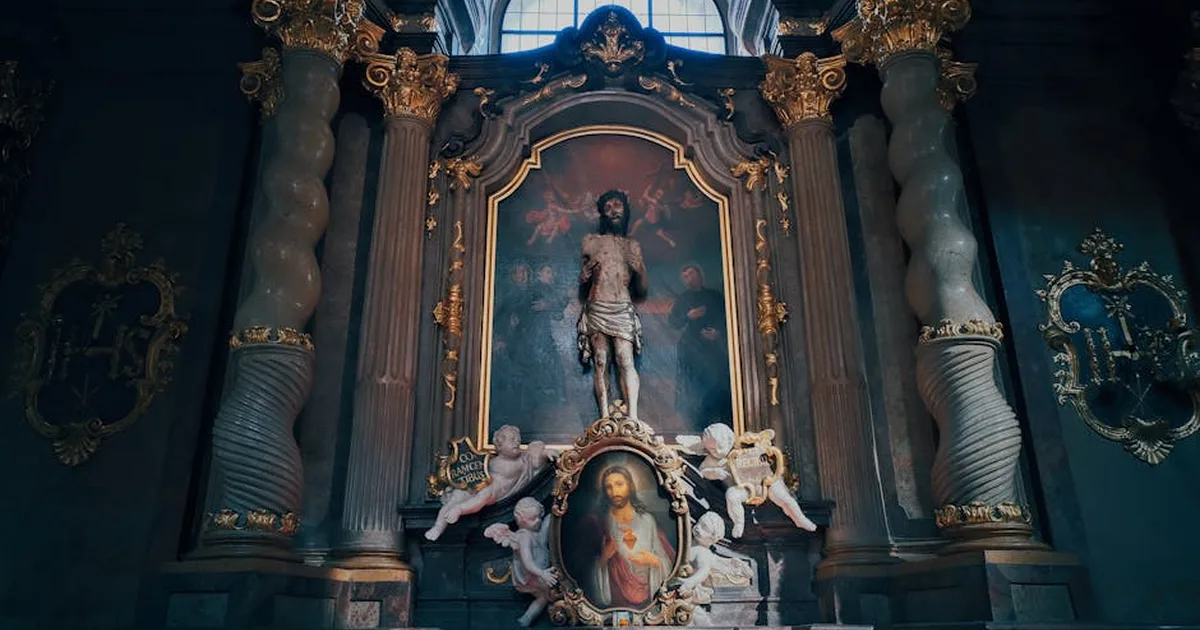
The ceremony took place at the Basilica of Divine Mercy in Krakow, where the proclamation was read and the nation was consecrated to the Sacred Heart of Jesus. This event was not only a moment of prayer but also an affirmation of Poland's Christian identity, shaped by centuries of faith and resilience in the face of adversity.
What Does It Mean to Proclaim Christ as King of a Nation?
For many, the title "King" may sound outdated or even political. However, in the Christian context, proclaiming Jesus as King is recognizing that His authority is above any human government. It is an act of collective humility, where a nation admits that its true ruler is not a president or a parliament, but the Son of God.
This type of consecration has biblical roots. In the book of Revelation, Jesus is described as "King of kings and Lord of lords" (Revelation 19:16, NIV). By proclaiming Christ as King, Poland joined a long tradition of nations that have placed their trust in God, from the ancient Israelites to countries that today celebrate national feasts in honor of Christ the King.
The Polish declaration does not seek to impose a state religion but rather to be a public testimony of faith. It is an invitation for citizens to remember that, beyond human laws, there is a divine code that should guide their lives: love for God and neighbor.
The Historical and Spiritual Context of Poland
Poland has a history marked by faith. For centuries, it has been a bastion of Christianity in Eastern Europe, even during times of persecution under communist regimes. Devotion to the Virgin Mary, especially at the shrine of Czestochowa, and the figure of Saint John Paul II have shaped the national identity.
The proclamation of Christ as King was not an isolated event. It was preceded by a process of prayer and reflection led by the Polish Bishops' Conference. The bishops explained that this act was a response to contemporary challenges, such as secularism and the loss of Christian values in society.
By declaring Jesus as King, the Polish people not only affirmed their spiritual heritage but also asked for His protection and guidance for the future. It is a reminder that, amid political and social storms, Christ is the anchor that sustains the nation.
Lessons for Christians Today
Poland's action invites us to reflect on our own relationship with Christ. Do we recognize His reign in our personal lives? In our families? In our communities? It is not about an empty symbolic act but a real surrender of every area of our existence.
The Bible teaches that Jesus has all authority in heaven and on earth (Matthew 28:18, NIV). Yet we often live as if that authority were limited to Sundays or times of crisis. The consecration of a nation is a call for every believer to examine their heart and ask: "Am I allowing Christ to be King of my decisions, my finances, my relationships?"
How Can We Apply This Concept in Our Daily Lives?
One practical way is to begin each day praying: "Lord, today I acknowledge that You are my King. Guide my steps and use my life for Your glory." We can also consecrate our homes, inviting Christ to



Comments