
In these times of tensions and conflicts affecting various regions of the world, our hearts turn toward those communities suffering from violence. Holy Father Leo XIV, in his recent address, reminded us with touching words about the importance of protecting civilian populations, especially the most vulnerable, during periods of war. This call to the "principle of humanity" resonates deeply in the conscience of every Christian seeking to live the Gospel in the concreteness of history.

Prayer as a Transformative Force
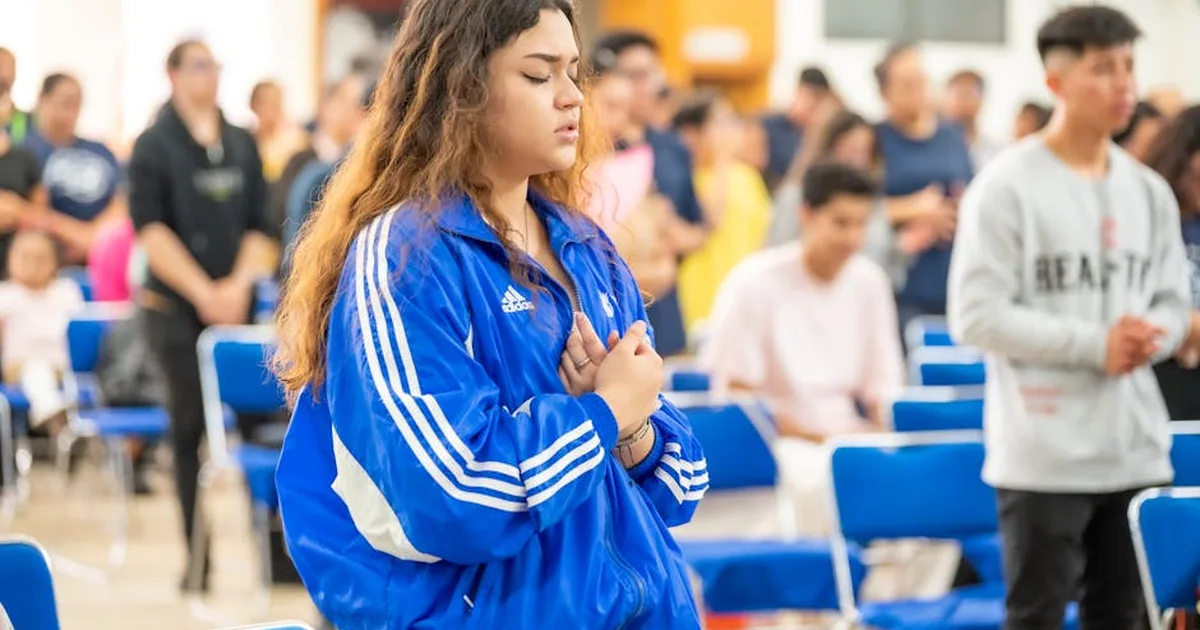
In his reflections, the Pontiff emphasized how prayer represents a powerful response in the face of death and destruction. It is not a passive gesture or an escape from reality, but an act of courage that places us before God with our questions, our anxieties, and our hope. Prayer thus becomes a space where we can lay down the weight of the world and receive strength to be peacemakers in the contexts where we live.
Let us remember the words of the Apostle Paul to the Philippians:
"Do not be anxious about anything, but in every situation, by prayer and petition, with thanksgiving, present your requests to God. And the peace of God, which transcends all understanding, will guard your hearts and your minds in Christ Jesus" (Philippians 4:6-7 NIV).This promise accompanies us in our daily commitment to reconciliation.
Dialogue as an Alternative to Violence
During a prayer vigil in St. Peter's, the Holy Father made a moving appeal to those with political and social responsibilities: he invited them to sit at dialogue tables rather than those where rearmament is planned. This invitation challenges us personally, even in our daily relationships. How often do we prefer entrenching our positions to respectful listening? How often do we choose monologue over dialogue?
The Gospel offers us a different model. Jesus, in the Sermon on the Mount, tells us:
"Blessed are the peacemakers, for they will be called children of God" (Matthew 5:9 NIV).Being peacemakers means actively committing to build bridges, seek understanding, and heal the wounds of division.
Peoples in Search of Hope
The Holy Father's thoughts turned particularly to the communities of Ukraine, Lebanon, and Sudan, lands marked by prolonged suffering. These peoples remind us that peace is not an abstraction, but a reality that touches the concrete lives of women, men, and children. Their resilience in the face of adversity teaches us that hope can flourish even in the most arid soil.
As Christians, we are called to support these brothers and sisters not only with prayer but also with concrete gestures of solidarity. The Apostle John exhorts us:
"Dear children, let us not love with words or speech but with actions and in truth" (1 John 3:18 NIV).This love that becomes action is the heart of Christian witness in the world.
Our Place in God's Design
Every believer has a unique role in the great mosaic of peace that God is composing in history. We are not passive spectators of events, but collaborators in the work of reconciliation that has its foundation in Christ. This means that:
- In our families, we can be promoters of understanding and forgiveness
- In our workplaces, we can foster respectful and collaborative relationships
- In our church communities, we can build spaces of welcome and dialogue
- In society, we can be a voice for the voiceless and defenders of every person's dignity
Practical Reflection for Daily Life
This week, we invite you to ask yourself: Where can I be an instrument of peace in my immediate surroundings? What gesture of reconciliation can I offer to someone with whom I have differences? Peace begins in the heart and extends through our simplest actions. May the Holy Spirit guide us to discover our specific place in this beautiful divine design for humanity, always remembering that every small act of love contributes to the great mosaic of peace that God wants to build among us.


Comments