
When we talk about peacekeeping missions like UNIFIL in Lebanon, we are called to reflect on the value of service and mediation in a world marked by conflict and division. China's recent request to cancel the planned withdrawal of UNIFIL by the end of 2026 reminds us how complex the path to peace can be. As Christians, we can see in these initiatives a reflection of Jesus' invitation to be "peacemakers" (Matthew 5:9, NIV).
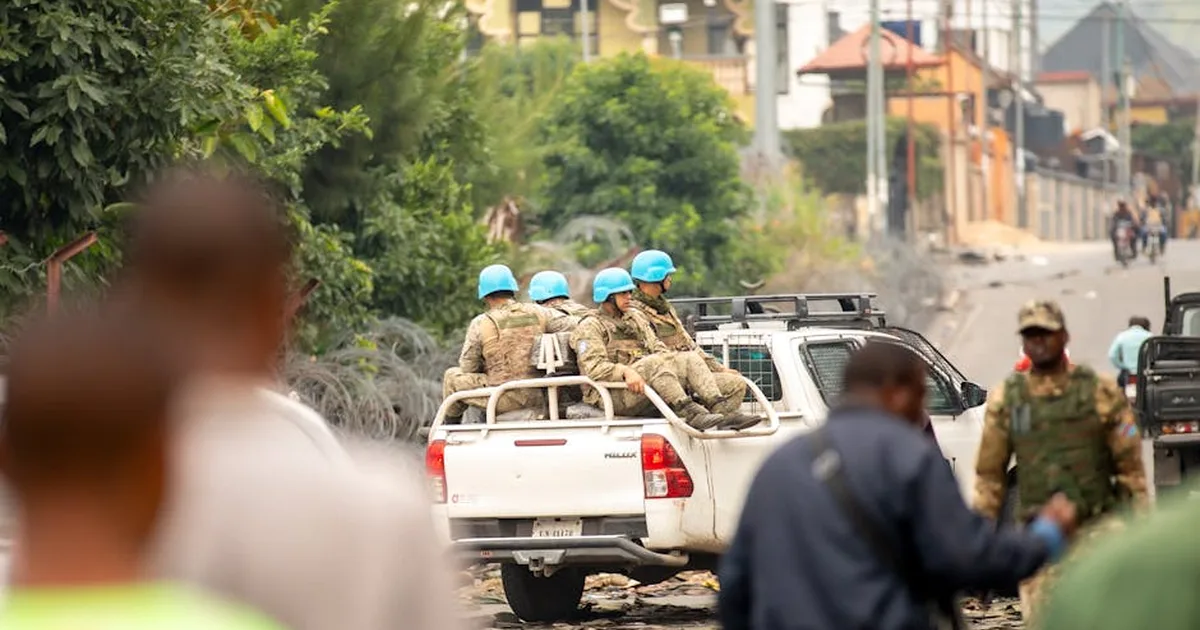
UNIFIL, the United Nations Interim Force in Lebanon, was established in 1978 to confirm the withdrawal of Israeli forces from southern Lebanon and assist the Lebanese government in restoring its authority. Today, the mission continues to play a crucial role in maintaining stability in a fragile region. China's request to extend UNIFIL's presence highlights the importance of sustained international commitment.
"Blessed are the peacemakers, for they will be called children of God." (Matthew 5:9, NIV)
Service as a Christian Vocation
Peacekeeping is not just a political or military task; for believers, it is a deep vocation. Serving others, especially in conflict zones, is a concrete way to live out the Gospel. Paul urges us: "Let us not become weary in doing good, for at the proper time we will reap a harvest if we do not give up" (Galatians 6:9, NIV).
The soldiers and civilian personnel of UNIFIL, from many nations, give their time and energy to protect the most vulnerable. This spirit of sacrifice echoes Jesus' example, who gave his life for peace between God and humanity. Though their work may seem far from our daily lives, we can support them through prayer and personal commitment to reconciliation in our own communities.
The Role of Prayer for Peace
Prayer is a powerful resource for those working in conflict zones. Asking God to guide leaders and protect soldiers is an act of faith that unites us with them. Psalm 122:6 invites us: "Pray for the peace of Jerusalem: 'May those who love you be secure'" (NIV). We can extend this prayer to all lands marked by war, including Lebanon and the Middle East.
Challenges of International Mediation
China's request to cancel UNIFIL's withdrawal raises important questions about global diplomacy. China, as a permanent member of the Security Council, plays a key role in supporting peace missions. However, tensions among world powers can complicate mediation efforts. As Christians, we are called to pray for rulers and all those in authority (1 Timothy 2:1-2, NIV).
The situation in Lebanon is complex: political instability, economic crisis, and the presence of armed groups make peacekeeping difficult. UNIFIL is not just a symbol but a concrete presence that helps prevent escalation. Its continuation is vital for the region's security.
An Example of Selfless Service
UNIFIL blue helmets often work in difficult conditions, far from their families, risking their lives to protect others. This is an example of service that recalls Jesus' words: "Greater love has no one than this: to lay down one's life for one's friends" (John 15:13, NIV). We can learn from them to set aside our own interests for the common good.
How We Can Contribute to Peace
Even if we cannot go to Lebanon, each of us can be a peacebuilder in our own environment. Small acts of reconciliation, listening, and forgiveness can transform relationships. James reminds us: "Peacemakers who sow in peace reap a harvest of righteousness" (James 3:18, NIV).


Comments