
The recent victory of the Bharatiya Janata Party (BJP) in West Bengal brought not only political change but also a rise in religious tensions. In this climate, many Christians wonder how to live their faith without fear and how to be instruments of reconciliation. The Bible reminds us, "Blessed are the peacemakers, for they will be called children of God" (Matthew 5:9, NIV). This beatitude is not just a promise but a concrete call for every believer.

In India, religious diversity has always been a richness, but unfortunately also a source of conflict. After the elections, there have been episodes of violence and discrimination, especially towards the Muslim community. As Christians, we are called not to close our eyes but to bring light in the midst of darkness. Our faith teaches us that every person is created in the image of God (Genesis 1:27) and deserves respect and love.
The Root of Conflict: Fear and Misunderstanding
Religious tensions in West Bengal do not arise from nothing. They are often the result of years of propaganda, fear, and lack of dialogue. The BJP, a Hindu nationalist party, has capitalized on a sense of cultural identity, but this has led to the exclusion of minorities. Christians, who are a small percentage in India, often find themselves in a delicate position: on one hand, they share values with their Hindu fellow citizens; on the other, they stand with Muslims in defending religious freedom.
God's Word urges us not to judge by appearances but to judge with right judgment (John 7:24). Often divisions stem from stereotypes and prejudices. As a faith community, we are called to overcome these barriers, building bridges of dialogue and mutual understanding.
The Role of Prayer in Social Transformation
In the face of news of violence and discrimination, our first reaction might be anger or fear. But Scripture invites us to pray for our rulers and for all those in authority (1 Timothy 2:1-2). Prayer is not an escape from reality but a powerful tool for change. When we pray, we open our hearts to God's action, who can work miracles even in the most difficult situations.
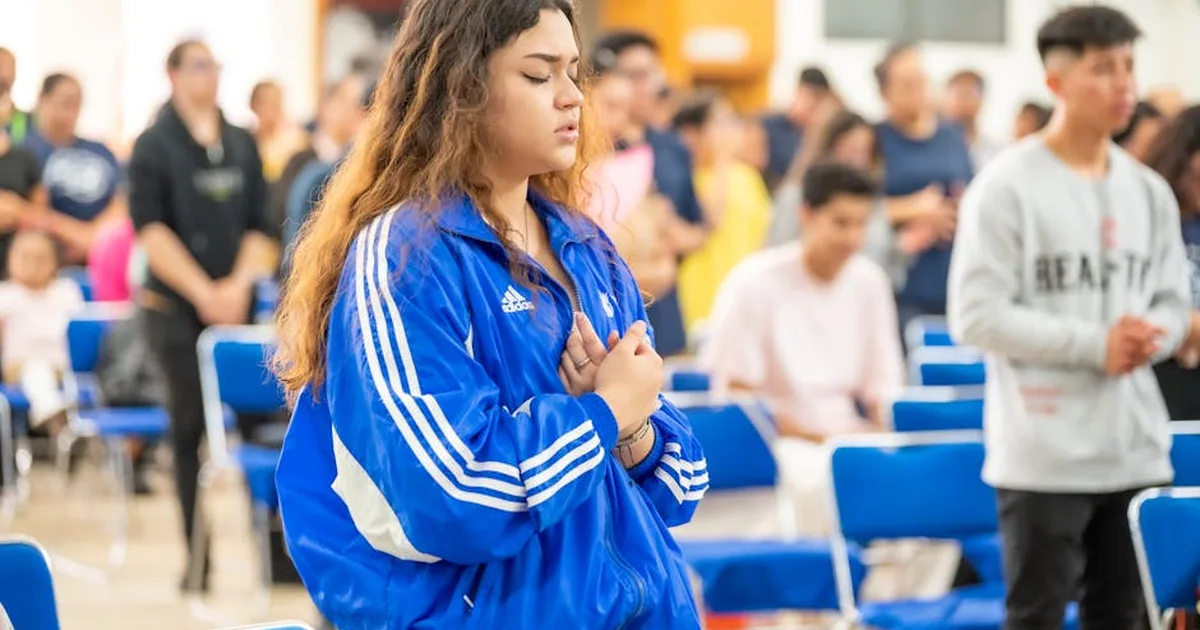
Moreover, prayer unites us as the body of Christ. In India, many churches organize prayer chains for peace. These moments not only strengthen the faith of participants but also send a clear message to society: Christians are not indifferent to the pain of others.
Being Salt and Light in a Context of Tension
Jesus called us to be the salt of the earth and the light of the world (Matthew 5:13-14). In a context of religious tensions, this means living our faith consistently, without hiding but also without provoking. Salt gives flavor and preserves; light illuminates and guides. How can we apply this metaphor in daily life?
First, we can be witnesses of love and respect towards everyone, regardless of their religion. A Christian who treats a Hindu or Muslim neighbor with kindness is already building the Kingdom of God. Second, we can promote interfaith dialogue initiatives, such as common prayer meetings or community service projects.
Concrete Examples of Reconciliation
In some areas of West Bengal, groups of Christians and Muslims have come together to clean a neighborhood after clashes. This simple gesture has spoken louder than a thousand sermons. The Bible says, "Do not be overcome by evil, but overcome evil with good" (Romans 12:21). Every act of kindness is a victory over evil.
Another example is the creation of listening centers where people can share their fears and needs. Often violence arises from a lack of communication. Listening to others is the first step towards healing wounds. The Church in India is called to be a space of welcome and reconciliation, following the example of Christ who broke down barriers between peoples and cultures.


Comments