
One year after the brief but intense war between India and Pakistan in May 2025, international observers watch the region with concern. Patriotic celebrations on both sides cannot hide the deep wounds and unresolved tensions. As Christians, we are called to reflect on these events with eyes of faith, seeking to understand the message of peace that the Gospel offers amidst human conflicts.

Psalm 34:14 reminds us: "Seek peace and pursue it." This is not a passive invitation but an active commitment that requires courage and determination. In a context of arms races and diplomatic stalemates, the path to peace seems even more difficult, but not impossible for those who trust in God.
The Roots of the Conflict: A Biblical Perspective
Tensions between India and Pakistan are rooted in longstanding issues: Kashmir, terrorism, water resources. The Bible speaks of conflicts between peoples and nations, but also offers examples of reconciliation. In the book of Isaiah, God promises: "They will beat their swords into plowshares" (Isaiah 2:4). This prophetic vision is a powerful call for all believers to work for peace.
Kashmir: A Contested Land
The Kashmir region has been at the center of hostilities for decades. Local populations suffer from political divisions and violence. As Christians, we are called to pray for the brothers and sisters living in these areas, remembering Jesus' words: "Blessed are the peacemakers, for they will be called children of God" (Matthew 5:9).
The Arms Race: A Sign of Mistrust
After the war, both nations have intensified their military power, fueling a spiral of mistrust. Scripture warns against excessive trust in weapons: "Do not trust in extortion or put vain hope in stolen goods; though your riches increase, do not set your heart on them" (Psalm 62:10). True security comes from God, not military might.
The Church's Response: Prayer and Action
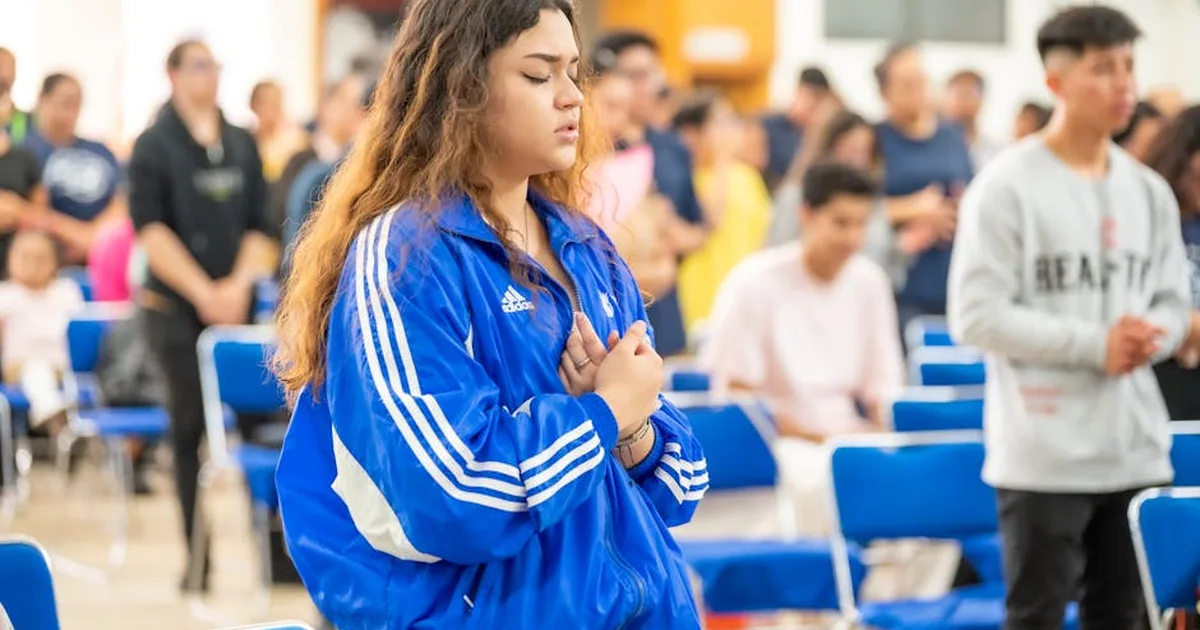
In the face of these tensions, the Christian community cannot remain silent. Prayer is the first step, but it must be accompanied by concrete actions of solidarity and peacebuilding. Paul exhorts us: "Do not be overcome by evil, but overcome evil with good" (Romans 12:21).
Interfaith Dialogue Initiatives
In many parts of India and Pakistan, Christians, Muslims, and Hindus are working together to build bridges of dialogue. These initiatives are a sign of hope and show that peace is possible when we meet with mutual respect. The letter of James reminds us: "Peacemakers who sow in peace reap a harvest of righteousness" (James 3:18).
Supporting Conflict Victims
Many families lost everything during the war. Local churches are mobilizing to offer humanitarian aid and psychological support. As members of Christ's body, we are called to carry each other's burdens (Galatians 6:2). Even from afar, we can support these works of mercy through prayer and offerings.
Hope for the Future
Despite the difficulties, faith gives us a hope that transcends present circumstances. The book of Revelation speaks of a new heaven and a new earth, where there will be no more war or mourning (Revelation 21:4). This hope drives us not to give up but to continue working for peace, trusting that God is at work even in the most complex situations.
The Role of the International Community
The international community has a responsibility to foster dialogue between India and Pakistan. As Christians, we can raise awareness among our leaders and international organizations to promote peace and justice in the region. Prayer and action go hand in hand in the pursuit of a conflict-free future.



Comments