
In a world often marked by divisions and conflicts, every step toward dialogue represents a ray of hope. Recent diplomatic developments between historically tense nations remind us that the pursuit of peace is a possible journey, even when it seems unattainable. As Christians, we are called to pray for those working for reconciliation and to support every effort that promotes justice and mutual understanding.

The Bible offers us numerous examples of reconciliation, both between individuals and between peoples. In the book of Psalms we read:
"Seek peace and pursue it" (Psalm 34:14 ESV).This invitation is not only for individuals, but also for nations that must learn to live together in respect and collaboration.
When national leaders sit at the same table to dialogue, they perform an act of great courage. They overcome historical barriers, deep-rooted prejudices, and mutual fears. This process requires humility, authentic listening, and the willingness to understand the other's perspective—deeply Christian values we find in Jesus' teaching.
Diplomacy as Service to Humanity
Diplomatic work is often invisible to the general public, but represents an important form of service to the international community. Diplomats who dedicate their lives to mediating between nations perform a ministry of peace, working tirelessly to build bridges where walls exist. Their vocation requires patience, wisdom, and a deep conviction that reconciliation is possible.
In Christian tradition, peace is not simply the absence of conflict, but a positive condition of justice, respect, and collaboration. Pope Francis, who left us in April 2025, frequently reminded us that peace is built day by day through concrete gestures of understanding and solidarity. His successor, Pope León XIV, continues to emphasize the importance of interreligious dialogue and international cooperation in resolving conflicts.
International mediation requires qualities that resonate deeply with Gospel values: the ability to listen without prejudice, patience in seeking solutions, creativity in finding new paths. These are not just diplomatic skills, but Christian virtues that we are all called to cultivate in our daily lives.
Biblical Examples of Mediation
The Bible presents us with several figures who played mediation roles between conflicting people or nations. Abraham intercedes for Sodom and Gomorrah, Moses mediates between God and the people of Israel, and Paul of Tarsus works tirelessly to reconcile Jews and Gentiles in the early Christian community. These examples show us that mediation is an ancient and noble ministry, rooted in biblical tradition.
In the New Testament, Jesus himself is presented as the perfect mediator between God and humanity. The letter to the Hebrews states:
"Therefore he is the mediator of a new covenant" (Hebrews 9:15 ESV).Christ's mediation offers us a model for every attempt at human reconciliation: based on love, oriented toward forgiveness, and aimed at creating deeper communion.
Prayer and Action for Peace
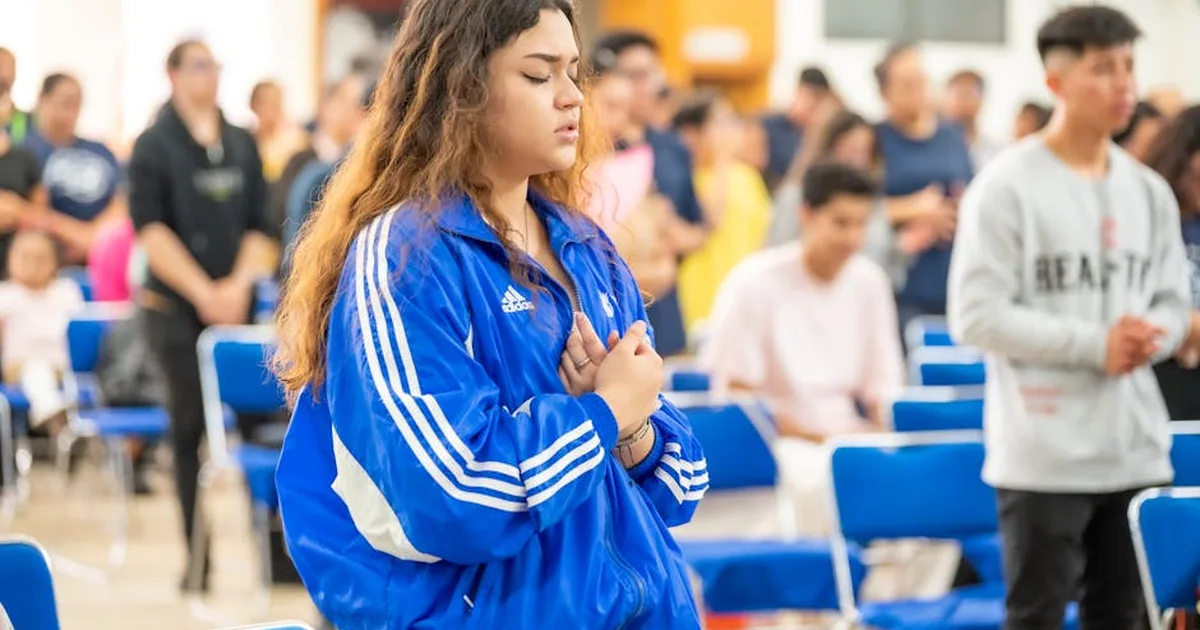
As Christians, we have a dual responsibility regarding peace in the world. On one hand, we are called to pray unceasingly for peace, following Paul's invitation:
"I urge that supplications, prayers, intercessions, and thanksgivings be made for all people... that we may lead a peaceful and quiet life, godly and dignified in every way" (1 Timothy 2:1-2 ESV).Prayer is not an escape from reality, but a spiritual commitment that opens new paths and changes hearts.
On the other hand, we are called to act concretely to build peace in our communities, families, and relationships. Every gesture of forgiveness, every word of reconciliation, every effort to understand the different contributes to weaving a network of peace that can transform the world. Peace begins in our hearts and extends through our actions, reminding us that each of us has a role to play in building a more just and reconciled world.


Comments