
Dear readers, today we want to talk about a story that touches the heart of our faith: the struggle for justice of the victims of Minamata disease in Japan. More than seventy years have passed since the first recognized case, yet many families still await compensation and acknowledgment. As Christians, we are called not to forget those who suffer and to support those seeking truth and reparation.

Minamata disease was caused by the discharge of mercury into the waters of Minamata Bay by the Chisso Corporation, a chemical company. The mercury accumulated in fish and shellfish, and those who ate them—especially fishermen and their families—developed severe neurological damage, paralysis, and in many cases, death. The tragedy was officially discovered in 1956, but its roots go back to the 1930s and 1940s.
Today, after decades of legal battles and partial settlements, full justice has still not been done. New generations of victims continue to emerge, and the promised compensation does not arrive. As a faith community, we are invited to reflect on what it means to wait for justice and how we can be instruments of peace and healing.
The Long Wait: What Happened in Minamata?
To fully understand this story, we must look at the facts. Between 1932 and 1968, the Chisso Corporation dumped tons of mercury into Minamata Bay. The mercury turned into methylmercury, a highly toxic substance, which contaminated the marine food chain. The first symptoms appeared in cats, which danced uncontrollably (the so-called “cat dance”), but soon affected humans as well.
In 1956, a local doctor, Dr. Hosokawa, reported an epidemic of a mysterious neurological disease. Only after years of studies and protests did the Japanese government officially recognize the cause: mercury poisoning. However, Chisso Corporation continued to deny responsibility and delay compensation.
The victims organized protest movements, took the case to court, and in 1973 obtained a historic ruling in their favor. But the battle did not end: many patients were not included in the settlements, and new cases continue to be discovered. Even today, around 10,000 people await full compensation, and many are elderly, sick, and without resources.
Justice and Mercy: What Does the Bible Teach Us?
Scripture often speaks of justice and care for the poor and oppressed. In the book of the prophet Isaiah, we read: “Learn to do good; seek justice, correct oppression; bring justice to the fatherless, plead the widow's cause” (Isaiah 1:17, ESV). This verse reminds us that justice is not just an abstract ideal, but a concrete action toward those who have been harmed.
Also Psalm 82:3-4 exhorts us: “Give justice to the weak and the fatherless; maintain the right of the afflicted and the destitute. Rescue the weak and the needy; deliver them from the hand of the wicked” (ESV). The victims of Minamata are the weak and needy: they have suffered enormous harm and wait for someone to hear their cry.
Jesus himself, in the Gospel of Matthew, proclaims: “Blessed are those who hunger and thirst for righteousness, for they shall be satisfied” (Matthew 5:6, ESV). This beatitude urges us not to be content with an unjust world, but to work so that justice prevails. The thirst for justice of the Minamata victims is also our thirst as Christians.
How Can We Respond as Christians?
Faced with such great and prolonged suffering, we may feel helpless. But our faith offers us concrete ways to act.
Pray and Intercede
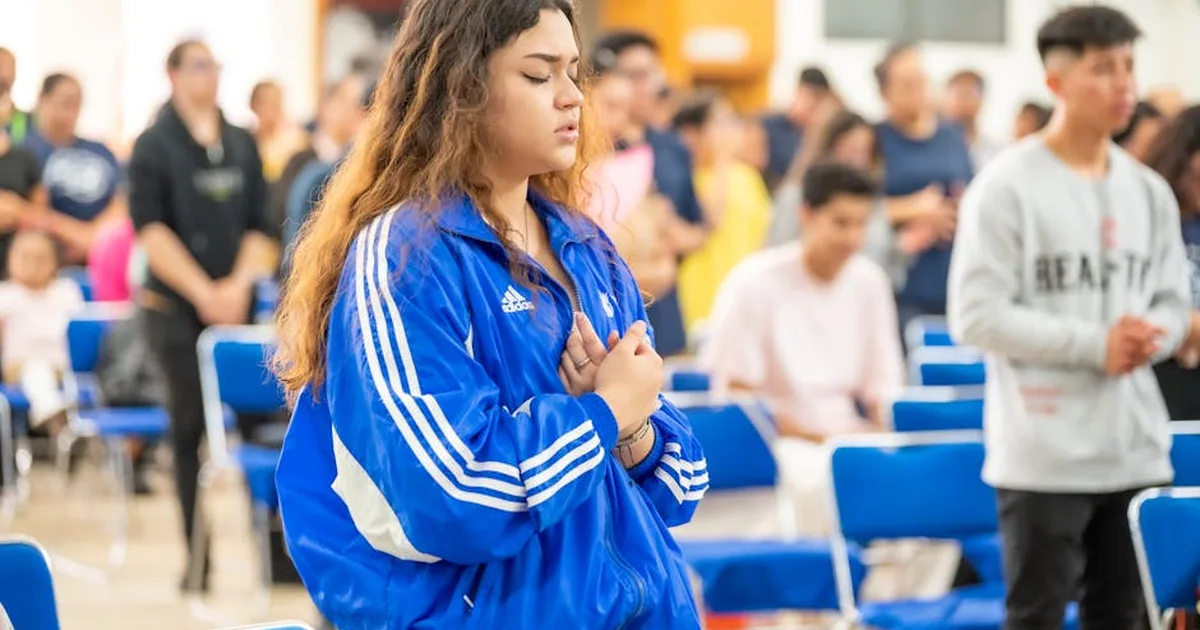
Prayer is the first step. We can pray for the victims of Minamata, for their families, and for those still struggling to obtain justice.


Comments