
In recent weeks, the Maldives has experienced a significant moment of democratic expression. 68.7% of voters chose to reject a constitutional reform proposal, while in administrative elections the ruling party failed to gain control of any city. These outcomes are not merely political facts but invite us to reflect on deeper themes: the voice of community, the responsibility of power, and the role of believers in social processes. As Christians, we are called to observe these events not only with human eyes but with hearts open to God's wisdom.
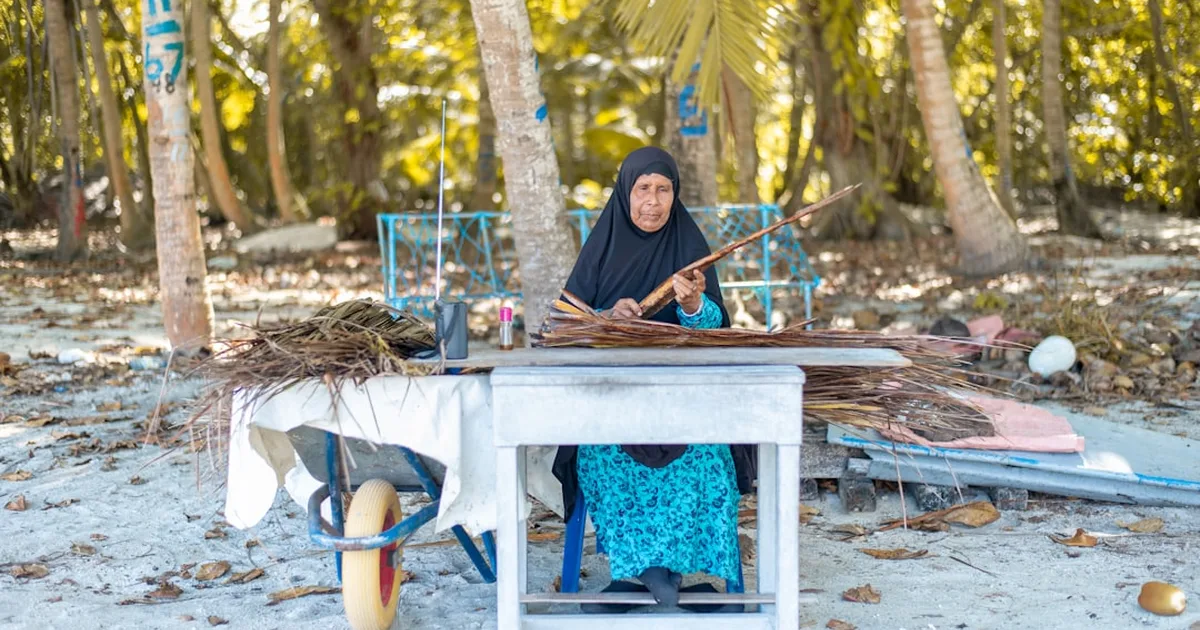
Civil society played a decisive role in this process, demonstrating how collective commitment can influence the course of events. This reminds us of Saint Paul's words: "Do not conform to the pattern of this world, but be transformed by the renewing of your mind. Then you will be able to test and approve what God's will is—his good, pleasing and perfect will" (Romans 12:2 NIV). Discernment is not only individual but can become collective when a community seeks truth and the common good together.
In a world often divided, these moments of participation remind us that every person has dignity and a voice that deserves to be heard. Christian faith does not call us to be indifferent to earthly affairs but to live our citizenship as an expression of our being children of God. As the prophet Micah exhorts us: "He has shown you, O mortal, what is good. And what does the Lord require of you? To act justly and to love mercy and to walk humbly with your God" (Micah 6:8 NIV).
The Christian Mission in Social Context
The events in the Maldives offer us an opportunity to reflect on the Church's mission in the contemporary world. Pope León XIV, in his first encyclical, emphasized the importance of listening and dialogue as ways to build bridges between different components of society. His predecessor, Pope Francis, left us a rich legacy of teachings urging commitment to justice and peace.
The Christian mission is not limited to the private or liturgical sphere but extends to all areas of human life. Jesus himself taught us to pray: "Your kingdom come, your will be done, on earth as it is in heaven" (Matthew 6:10 NIV). This prayer implies an active commitment to ensure that the values of God's Kingdom become incarnate in historical reality, always respecting the freedom and dignity of every person.
In contexts of transition or political tension, believers are called to be peacemakers and bridge-builders. This is not about taking partisan sides but about witnessing to Gospel values through life coherence and commitment to the common good. As the apostle Peter writes: "But in your hearts revere Christ as Lord. Always be prepared to give an answer to everyone who asks you to give the reason for the hope that you have. But do this with gentleness and respect" (1 Peter 3:15 NIV).
Service as Vocation
Service is not optional for Christians but an essential dimension of their identity. Jesus clearly taught: "For even the Son of Man did not come to be served, but to serve, and to give his life as a ransom for many" (Mark 10:45 NIV). This principle revolutionizes every conception of power, transforming it from domination into service.
In Christian communities worldwide, including small groups present in the Maldives, this spirit of service manifests in concrete ways: in assisting the poor, educating youth, caring for the elderly, and promoting human dignity. These works are not merely social activities but tangible expressions of God's love for every creature.
Authentic service requires humility and willingness to engage without seeking recognition, following Jesus' example of washing his disciples' feet. In a world where power is often exercised as domination, the Christian witness of selfless service can be a powerful light pointing to a different way.
Christian communities in minority contexts, like in the Maldives, teach us that service does not depend on numbers or political influence but on faithfulness to the Gospel. Every act of love, every work of justice, every word of hope contributes to building God's Kingdom here on earth.


Comments