
In the life of the Church, every transition carries with it both the memory of what has been sown and the hope for what will be cultivated. Pope Francis, who left us on April 21, 2025, imprinted on the heart of the worldwide Christian community a particular attention toward those on the move. His passing left a void, but also a deep furrow of teaching. Today, under the pontificate of Pope León XIV, elected in May 2025, that pastoral concern has not ceased but finds new expressions in a world that continues to change. The Church, in an ecumenical spirit, recognizes in every traveling believer a bearer of hope, called to live their faith wherever Providence leads them.
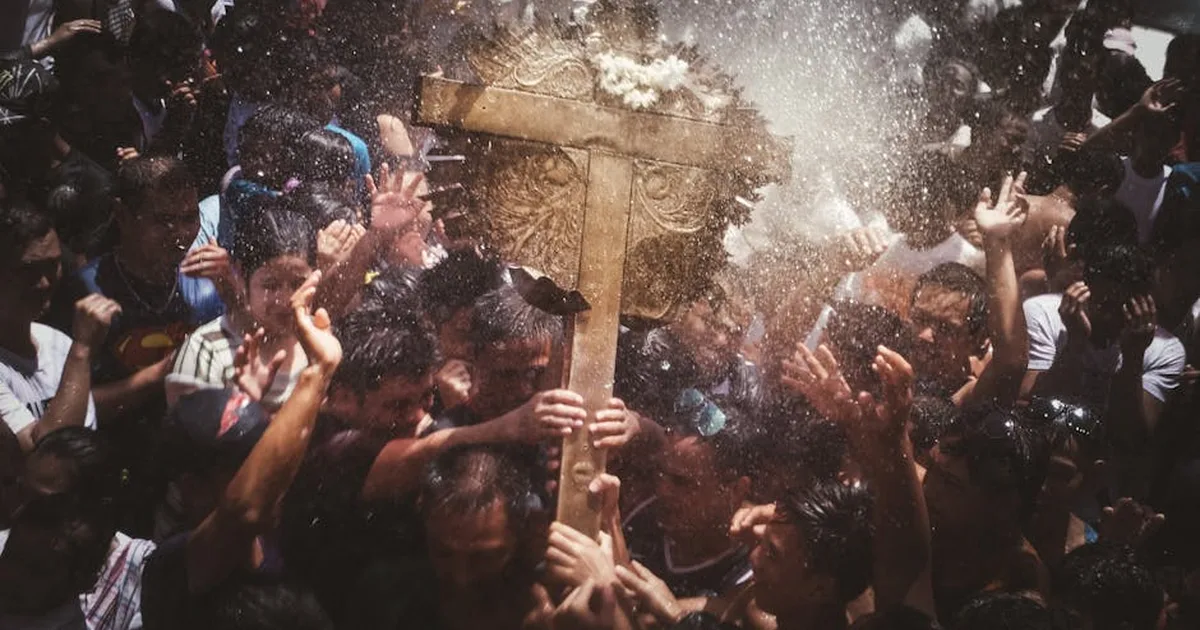
This faith-filled perspective on migration is not merely a pastoral strategy; it springs from the very nature of the Christian message. The Bible presents us with a people often on the move, learning to trust in God precisely through displacements and uncertainties. The figure of the migrant, the stranger, is central to revelation and challenges the conscience of every believing community. Pope Francis, with his simple and direct language, knew how to touch the chords of this biblical truth, reminding us that those who depart carry with them not only needs but also gifts.
Faith in the Suitcase: Christian Witness Beyond Every Border
What does it mean, concretely, to be witnesses of faith while crossing borders and cultures? It is not about organized proselytism, but a faithfulness that manifests in daily life. As Cardinal David, quoted in remembrance of Francis, stated, migrants bring light to the world "not by strategy, but by faithfulness wherever life leads them." This is the essence of Christian witness: a faith that becomes visible through charity, patience, diligence, and hope maintained even in difficulties.
The believing migrant lives a kind of dual belonging: to the land left behind and to the land that welcomes them, but most of all to the Kingdom of God which knows no borders. In this, they become a living sign of the Church's universality. Monsignor Martinelli recalled how Francis's encouragement was "a sign of peace even in today's difficulties." This peace, born of faith, is the most precious good a believer can share, becoming a bridge-builder in contexts often marked by distrust and fear.
Biblical Roots of Journey and Welcome
The Scriptures are rich with references that illuminate the spiritual value of journey and the duty of welcome. Abraham is called by God to leave his land without knowing where he is going (Genesis 12:1). The people of Israel experience the exodus and exile. In the New Testament, the Holy Family itself becomes refugees in Egypt to escape persecution (Matthew 2:13-15). These narratives are not just past history but paradigms for understanding the experience of many of our brothers and sisters today.
Mosaic law repeatedly insists on the duty to protect the stranger:
"The foreigner residing among you must be treated as your native-born. Love them as yourself, for you were foreigners in Egypt. I am the Lord your God" (Leviticus 19:34 NIV).In the Gospel, Jesus identifies himself with the stranger in need:
"I was a stranger and you invited me in" (Matthew 25:35 NIV).These passages found a Christian ethic of welcome that sees in the migrant not a problem, but a presence through which God himself speaks to us and tests us.
From Memory to Commitment: How to Live This Teaching Today
Remembering the teaching of Pope Francis is not an exercise in nostalgia but a call to action. Christian communities are invited to move from memory to concrete commitment. This involves creating spaces for genuine encounter, where the migrant is not seen merely as a recipient of aid but as a brother or sister in faith with a story and gifts that enrich the entire community. The fraternal welcome spoken of by Francis, and which León XIV continues to promote, is practiced in daily gestures: a word of welcome, accompaniment with paperwork, inclusion in parish life, advocacy for their rights. It is in these details that faith becomes flesh and where the Church shows its most authentic face: a house with open doors, where every person, regardless of origin, can feel at home because they recognize in the other a child of the same Father.


Comments