
In India's Orissa region, the government recently greenlit a railway project to connect the bauxite mines of Sijimali and Kutrumali. The decision came after violent clashes with local tribal communities, who denounce forced evictions, environmental damage, and violations of their rights—rights that are even recognized by law. The government defends the project in the name of economic development, but for years, mobilization against mining expansion has not stopped. As Christians, we are called to ask what 'development' truly means when it tramples on human rights and our common home.
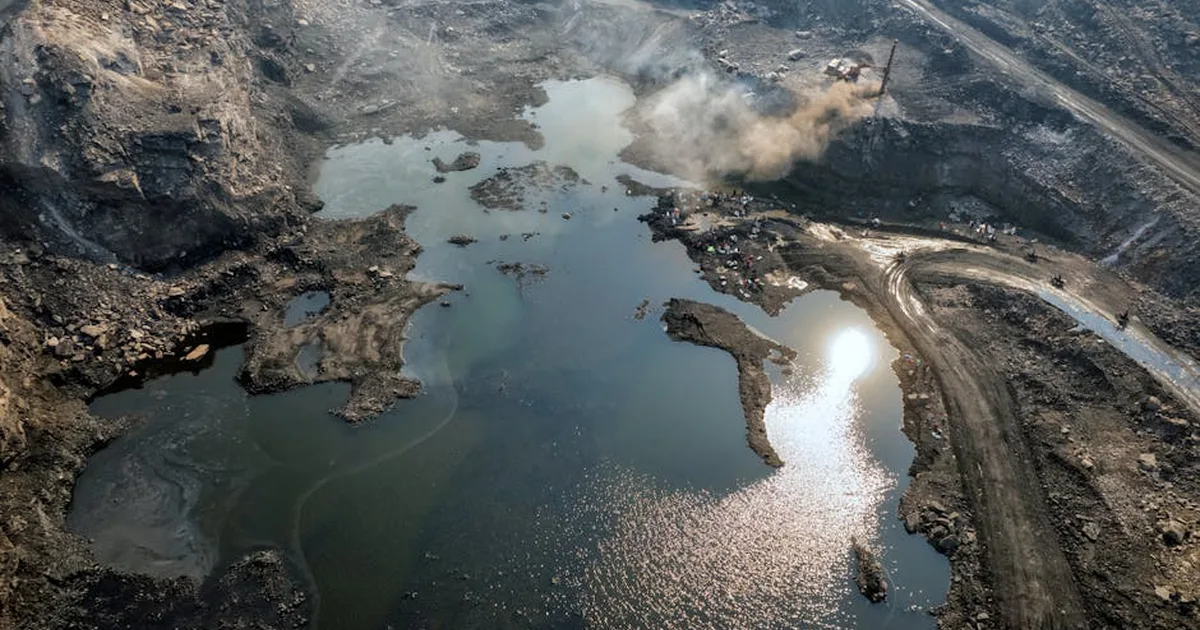
The situation in Orissa is not isolated. In many parts of the world, natural resources are exploited for the benefit of a few, while local communities bear the negative consequences. The Bible reminds us that the earth is the Lord's and that we are stewards, not absolute owners. In Leviticus, God institutes the Jubilee—a time of restitution and rest for the land—showing that social and environmental justice are intertwined.
“The land shall not be sold in perpetuity, for the land is mine; with me you are but aliens and tenants” (Leviticus 25:23, NRSV).
Tribal Communities: Forgotten Guardians of Creation
The tribal peoples of Orissa have lived for centuries in harmony with the forest, which they consider sacred and a source of livelihood. For them, the land is not just an economic resource but a gift from God to be preserved for future generations. Yet mining development is destroying their way of life, forcing them to abandon their homes and lose their cultural identity.
As Christians, we are called to stand with the poor and marginalized, as Jesus did. In the Gospel of Matthew, Jesus proclaims blessed are the poor in spirit and those who hunger and thirst for righteousness. The struggle of the Orissa tribals is a struggle for justice, and we cannot remain indifferent.
“Blessed are the poor in spirit, for theirs is the kingdom of heaven. Blessed are those who hunger and thirst for righteousness, for they will be filled” (Matthew 5:3,6, NRSV).
The Church, as a faith community, has a duty to raise its voice in defense of the voiceless. Pope Francis, in his encyclical Laudato Si', emphasized that the cry of the earth and the cry of the poor are one cry. Current Pope Leo XIV has also reiterated the urgency of an economy that serves people, not profit.
What Kind of Development? A Biblical Reflection
The concept of development in modern thinking is often reduced to economic growth and technological progress. But the Bible offers a broader vision: authentic development promotes the common good, respects human dignity, and cares for creation. In Deuteronomy, God commands the people not to exploit the land to exhaustion but to let it rest every seven years.
“For six years you shall sow your land and gather in its yield; but the seventh year you shall let it rest and lie fallow” (Exodus 23:10-11, NRSV).
This principle of sustainability is more relevant than ever. The bauxite mines of Orissa, if exploited without regard, not only devastate the environment but impoverish local communities, creating a vicious cycle of injustice. Development cannot be measured solely in terms of GDP; it must account for quality of life, social justice, and care for creation.
The Role of Christians in Defending Human Rights
The Church has a long tradition of commitment to human rights, rooted in Catholic Social Teaching. In particular, the right to private property is not absolute but is subordinate to the principle of




Comments