
After nearly five decades of spiritual guidance under Patriarch Ilia II, the Georgian Orthodox Church is preparing for a new chapter in its history. The Synod has recently elected three candidates for the succession, with Metropolitan Shio, 57, emerging as the frontrunner. Already serving as regent for ten years alongside the aging patriarch, Shio represents continuity with the past but also hope for renewal. This event is not only important for Georgia but has repercussions across the Orthodox world at a time of tensions and shared challenges.
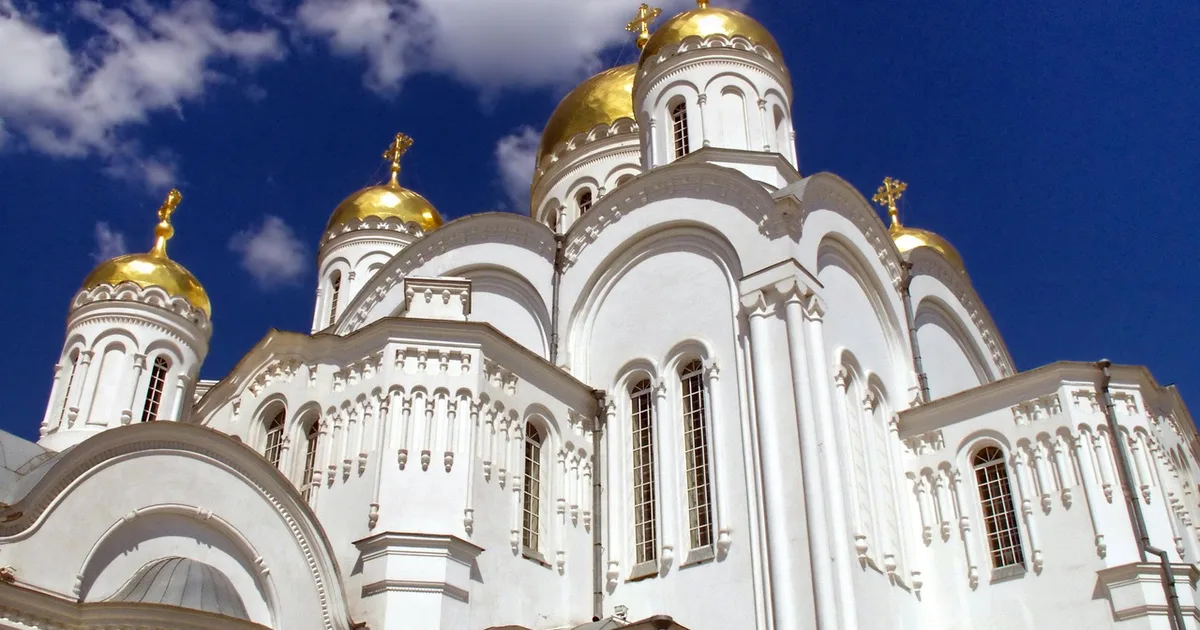
The Role of the Patriarch in the Orthodox Church
The patriarch is not just an honorary title: he is the supreme pastor of an autocephalous church, tasked with preserving doctrinal unity, guiding the flock, and representing the church ecumenically. In Orthodox tradition, the patriarch is the first among equals, but his authority is exercised in synodality with the bishops. The succession of Ilia II, who has led the church since 1977, marks a crucial generational shift. As the Apostle Paul writes: "Keep watch over yourselves and all the flock of which the Holy Spirit has made you overseers. Be shepherds of the church of God" (Acts 20:28, NIV).
The Figure of Metropolitan Shio
Metropolitan Shio, already regent, is known for his wisdom and pastoral commitment. His election is seen as a sign of stability but also openness to modern challenges. The Georgian church, like many others, must address issues such as secularization, interfaith dialogue, and care for the poor. Shio has already shown mediation skills and a pastoral vision that could help the church navigate these waters.
Challenges for the Georgian Church and World Orthodoxy
The Georgian Orthodox Church is one of the oldest and most revered, with a history dating back to the 4th century. Yet today it faces significant challenges. One is the relationship with other Orthodox churches, marked by divisions, especially after the Ukrainian crisis. Georgia, located in a strategically important region, must also manage relations with the Russian Orthodox Church, which has historically influenced it. Furthermore, ecumenical dialogue with the Catholic Church and other Christian denominations requires diplomacy and openness. As Christians, we are called to pray for unity, as Jesus himself asked: "that all of them may be one" (John 17:21, NIV).
The Role of the Laity in Church Life
The church is not just made up of hierarchs but of the whole people of God. Georgian laity, with their living faith and traditions, are the beating heart of the ecclesial community. In this time of transition, it is important for the faithful to be involved in prayer and support for the new leader. The Bible reminds us: "Just as a body, though one, has many parts, but all its many parts form one body, so it is with Christ" (1 Corinthians 12:12, NIV). Every Christian has a gift to offer for the building up of the church.
An Ecumenical Perspective: Learning from One Another
EncuentraIglesias.com is an ecumenical platform, and this event offers us an opportunity to reflect on what different Christian traditions can learn from each other. The Georgian Orthodox Church has a rich spirituality, with a strong sense of liturgy and tradition. Christians from other denominations can draw inspiration from its devotion and historical resilience. At the same time, ecumenical dialogue helps us grow in understanding and fraternal love. As the Apostle Peter writes: "Show proper respect to everyone, love the family of believers, fear God, honor the emperor" (1 Peter 2:17, NIV).
Prayer for the New Leader
In this time of transition, in


Comments