
The Gaza Strip is living through difficult days, suspended between a conflict that seems endless and timid attempts to rebuild a semblance of normalcy. As weapons fall silent only intermittently, the population struggles to survive in a land marked by destruction. The administrative elections on April 25, organized by Fatah in Deir al-Balah, represent a sign of hope but also a clear testimony to the deep divisions that still tear apart the Palestinian people. Hamas, for its part, maintains a network of local control, complicating any unification process.
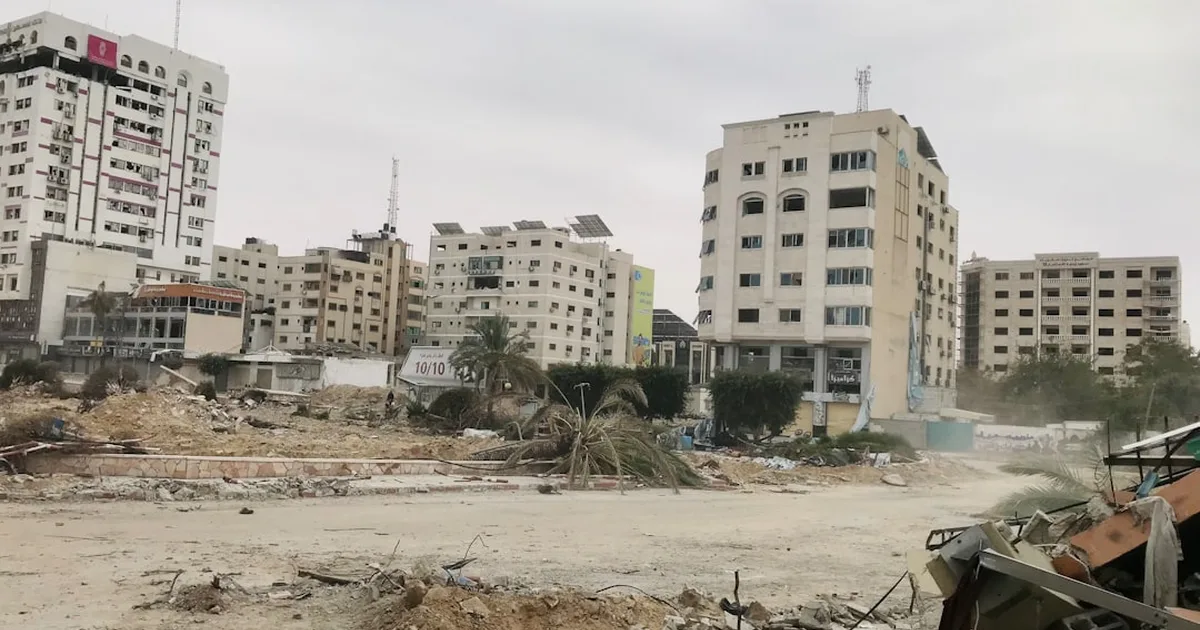
In this scenario, the Board of Peace, an international body created to promote peace and reconstruction, seems to have already broken many of its promises. The pledged funds arrived only from the United Arab Emirates and Morocco, and were mainly allocated to training a future local police force. But what does all this mean for ordinary people? Daily life remains marked by precariousness, with 80% of families still dependent on water delivered by tanker trucks. Hunger, fear, and uncertainty are constant companions.
The Response of Faith
Faced with such a bleak picture, Christian faith offers a different perspective. It is not about ignoring reality, but about looking at it through God's eyes, who never abandons his people. Psalm 46:1-2 reminds us: “God is our refuge and strength, an ever-present help in trouble. Therefore we will not fear, though the earth give way and the mountains fall into the heart of the sea.” This is the certainty that sustains believers even in the darkest moments.
The Bible calls us to be peacemakers, even when peace seems impossible. Jesus himself said: “Blessed are the peacemakers, for they will be called children of God” (Matthew 5:9). In a context like Gaza, being a peacemaker means not giving in to the logic of violence, but seeking every possible path of dialogue and reconciliation. It also means reaching out to those who suffer, sharing what we have, as the parable of the Good Samaritan teaches us (Luke 10:25-37).
The Role of the International Community
The situation in Gaza cannot be resolved with humanitarian aid alone, necessary as it is. A serious and coherent political commitment from the international community is needed. The Board of Peace was created for this purpose, but the results have been disappointing. Promises of reconstruction and development have crashed against the rocks of particular interests and lack of will.
As Christians, we are called to intercede for rulers, that they may seek justice and peace. The first letter to Timothy exhorts us to “make petitions, prayers, intercession and thanksgiving for all people—for kings and all those in authority, that we may live peaceful and quiet lives in all godliness and holiness” (1 Timothy 2:1-2). Praying for political leaders is not a formal gesture, but an act of faith that recognizes God's power over all human authority.
Hope That Does Not Disappoint
Despite everything, Christian hope is not superficial optimism, but the certainty that God has the last word in history. Christ's resurrection guarantees that evil and death do not have the final say. Amid the rubble of Gaza, there are signs of this hope: communities gathering to pray, families sharing what little they have, young people dreaming of a different future.
The letter to the Romans encourages us: “Be joyful in hope, patient in affliction, faithful in prayer” (Romans 12:12). This is the way of Christ's disciple: rejoicing in hope, being patient in tribulation, and persevering in prayer. It is not an easy path, but it is the only one that leads to true peace.


Comments