
In these times of international tensions, we receive news that deeply touches the sensitivity of every believer. Recently, in southern Lebanon, a soldier committed an act of desecration against a sacred symbol for all Christians: the cross. This painful episode, which occurred in Debel, has shaken not only the local community but the entire worldwide Church. As Christians, we are called to respond not with hatred but with active compassion, following Jesus' teaching:
"Love your enemies, do good to those who hate you" (Luke 6:27 NIV). The Maronite community's reaction, choosing to transform pain into constructive action, offers us a shining example of lived faith.

The Maronite Response: From Offense to Charity
Faced with this act of symbolic violence, our Maronite brothers and sisters have shown extraordinary spiritual maturity. Instead of fueling the cycle of revenge, they have directed their energies toward concrete support of a local hospital serving the entire population without distinction. This choice perfectly embodies Paul's message:
"Do not be overcome by evil, but overcome evil with good" (Romans 12:21 NIV). The Maronite hospital in question is not simply a healthcare facility but a true healing ministry that witnesses Christ's love through service to the sick and suffering. In a context marked by historical divisions, this institution represents a tangible bridge between diverse communities.
The Ecumenical Value of Healthcare Service
What makes this commitment particularly significant is its ecumenical and interreligious dimension. The hospital supported by the Maronite community welcomes patients from every Christian denomination and other faiths, concretely realizing that communion in charity which Vatican II so strongly desired. In this light, support for this work becomes an act of reconciliation that transcends confessional barriers. As Pope León XIV reminds us in his first encyclical: "Charity is the universal language everyone understands." This principle finds practical application precisely in initiatives like the one we're considering.
Religious Education as Prevention of Intolerance
Israeli activist Yisca Harani, long committed to interreligious dialogue in Jerusalem, has emphasized a crucial aspect: the need for religious education that forms people in respect for diversity. Official apologies from military and government authorities, however important, are insufficient if not accompanied by deep cultural change. Education in faith, when authentic, doesn't produce fundamentalism but opens hearts to understanding others. The prophet Isaiah reminds us:
"The wolf will live with the lamb, the leopard will lie down with the goat" (Isaiah 11:6 NIV). This vision of peace arises from an interior transformation that only comprehensive education can foster.
Three Dimensions of Education in Respect
- Knowledge of Others' Traditions: understanding the deep meaning of religious symbols from different faith traditions
- Lived Dialogue: concretely encountering people of other beliefs, overcoming prejudices and stereotypes
- Common Witness: collaborating in service projects that unite beyond doctrinal differences
Solidarity as Christian Vocation
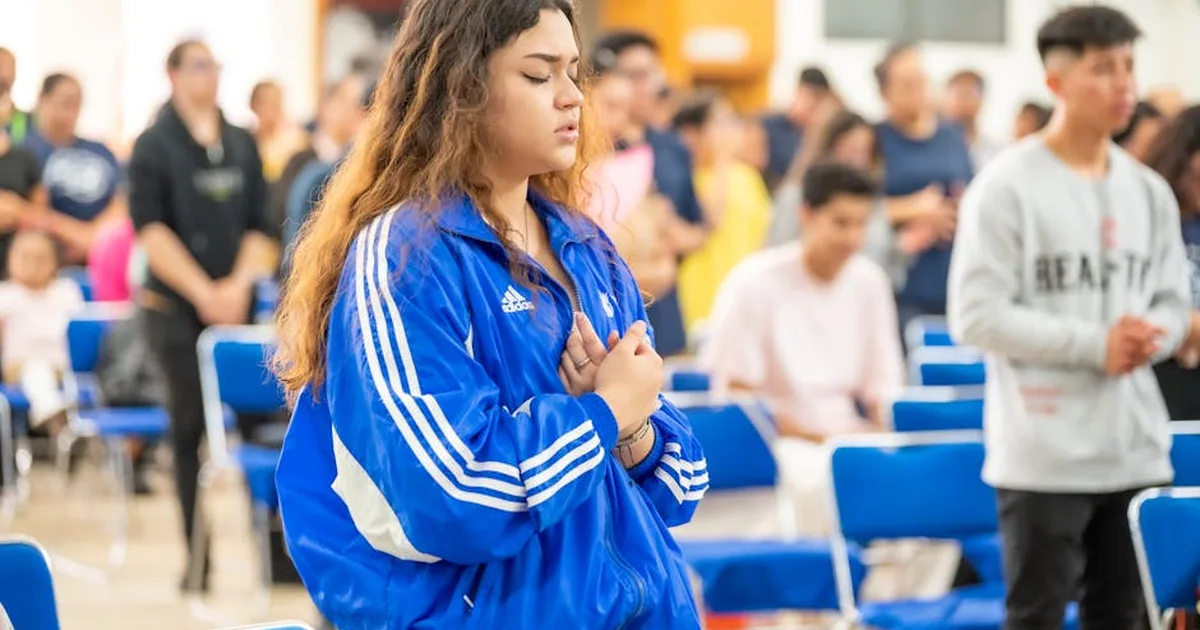
The constructive response to the Debel desecration challenges us personally and communally. How can we translate this call to solidarity into our daily lives? First, by praying for our brothers and sisters persecuted or wounded in their faith. Prayer unites us beyond borders and makes us participants in their struggles. Second, by educating ourselves about situations of religious persecution worldwide, breaking through the indifference that often surrounds us. Finally, by supporting financially or with our time organizations working for reconciliation and service to the most vulnerable, following the Maronites' example with their hospital. Every small act of solidarity contributes to building that kingdom of justice and peace that Jesus proclaimed. As a Christian community, we are called to be witnesses of hope amid pain, transforming suffering into opportunities for love and service.


Comments