
In the outskirts of Islamabad, the lives of many Christian families are marked by deep uncertainty. The issue of informal settlements, locally known as katchi abadis, challenges not only civil authorities but also the conscience of every believer. In these neighborhoods, where faith intertwines with the daily struggle for dignity, hundreds of households face the threat of displacement without clear prospects for resettlement.
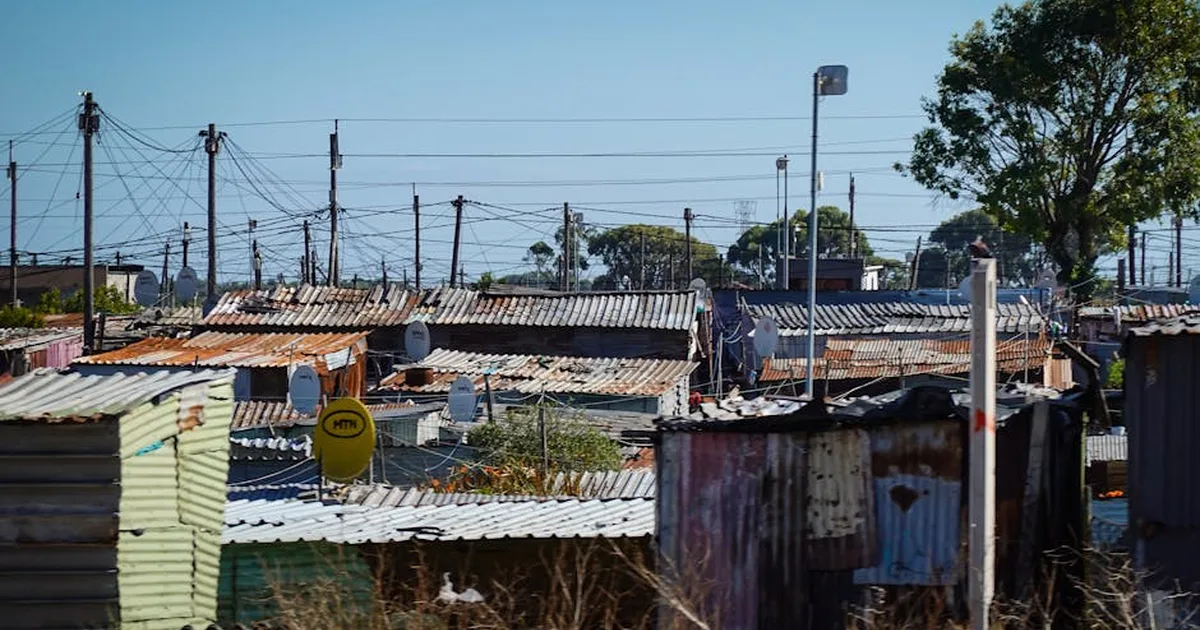
This situation requires a perspective that goes beyond mere urban dynamics. As a Christian community, we are called to remember that every person bears God's image, and the right to decent housing is not a privilege but an expression of this sacredness. The words of Psalm 68 resonate with particular power:
"A father to the fatherless, a defender of widows, is God in his holy dwelling. God sets the lonely in families, he leads out the prisoners with singing" (Psalm 68:5-6, NIV).
In this context, the Church's response cannot be limited to denunciation but must embrace a supportive and active presence. Pope Francis, whose memory remains alive in the hearts of the faithful after his passing in April 2025, taught us that ministry on the peripheries demands creativity and boldness. Today, under the pontificate of Leo XIV, this concern for the most vulnerable continues to be a guiding light for ecclesial action.
Faith's Response to Uprooting
When a family loses their home, they lose much more than four walls. They lose a place of memory, relationships, and rootedness. For Christians in Islamabad, this uprooting takes on a particular dimension: many of these families are already marginalized for their faith, and displacement risks further increasing their vulnerability.
Scripture offers us models of hospitality and care for the stranger. Abraham, at the oaks of Mamre, does not hesitate to offer hospitality to three travelers, later discovering he had welcomed God himself (Genesis 18). This biblical passage reminds us that something decisive for our relationship with the divine is at stake in hospitality. In the Letter to the Hebrews we read:
"Do not forget to show hospitality to strangers, for by so doing some people have shown hospitality to angels without knowing it" (Hebrews 13:2, NIV).
How do we apply this teaching today? First, by cultivating a sensitivity that recognizes the plight of those deprived of a home. Then, by supporting those church and community organizations that take responsibility for accompanying displaced families. Finally, by praying that civil authorities act with justice and foresight, ensuring decent housing alternatives before proceeding with any evictions.
The Role of Parish Communities
Parishes and local Christian communities can become places of listening and initial welcome. It's not just about offering material shelter, but about creating relational spaces where affected families can rediscover a sense of belonging. In this, the experience of the early Church is illuminating:
"All the believers were together and had everything in common. They sold property and possessions to give to anyone who had need" (Acts 2:44-45, NIV).
This concrete solidarity, though in different historical situations, remains an ideal to strive toward. Today, in contexts like Islamabad, it can translate into family support networks, legal guidance, and psychological and spiritual support in the face of displacement trauma.
Building Bridges of Dialogue and Justice
The issue of informal settlements is not only a humanitarian crisis but also a challenge to interreligious dialogue and the building of a more just society. As Christians, we are called to be bridges between different realities, promoting mutual respect and the pursuit of the common good. In a country where Christians are a minority, our presence must testify to God's love made concrete in defending everyone's rights, especially those of the poorest.
Christian hope is not an escape from reality but a force that drives us to transform it. Though circumstances may be difficult, we trust that God walks with his people, especially with those who suffer injustice. Together, as a community of faith, we can be instruments of that hope, working toward a future where every family in Islamabad has a dignified place to live and grow in faith.


Comments