
In today's world, trade routes and geographic barriers seem to dictate relationships between peoples. Yet as Christians, we are called to look beyond these obstacles and recognize that our service knows no borders. The history of the early Christian communities teaches us that faith spread precisely through unexpected paths, crossing deserts and seas. Today, while the media speaks of strategic corridors and energy blockades, we can reflect on how our mission might follow alternative routes of love and solidarity.
God's Word reminds us: "Go therefore and make disciples of all nations" (Matthew 28:19). This mandate is not limited to safe or easily accessible places. On the contrary, often the most rugged paths are where the Gospel shines most brightly. In this article, we will explore how we can serve God and neighbor by overcoming barriers, drawing inspiration both from Scripture and contemporary examples of mission.
Routes of Faith: From Persia to the Heart of the World
Church history is filled with examples of missionaries who traveled difficult routes to bring the good news. Think of Saint Paul, who journeyed through Asia Minor and Europe, facing shipwrecks, persecutions, and hardships. Today the challenges are different, but the missionary spirit remains the same. In an era when trade routes are shifting, the Church is also called to find new paths to reach those who are far away.
Lessons from the Silk Road
The Silk Road was not only a trade route but also a channel for cultural and spiritual exchange. Through it, Nestorian Christianity reached China as early as the seventh century. This teaches us that God can use even commercial routes to spread his love. Today, we can ask: what are the 'new silk roads' through which we can bring the Gospel? Perhaps they are digital corridors, migrant networks, or opportunities for international cooperation.
"I am the way, the truth, and the life" (John 14:6). Jesus himself presents himself as the way. Following him means walking paths he has traced, even when they seem rugged.
Overcoming Blockades with Prayer and Action
Political and economic blockades, like those concerning the Strait of Hormuz, can seem insurmountable. But for faith, nothing is impossible. The Church is called to be a bridge, not a barrier. Through prayer and concrete action, we can open corridors of hope. For example, supporting humanitarian aid projects in conflict zones or promoting interfaith dialogue are ways to bypass the blockades that divide humanity.
Service as an Alternative Path
Christian service does not follow the logic of power or profit. While the world seeks routes for oil, we are called to bring the oil of consolation and joy. Jesus taught us that the greatest is the one who serves (Mark 10:43-45). This principle revolutionizes every idea of path: we do not seek the shortest or most profitable route, but the one that allows us to meet our neighbor.
Examples of Service Across Borders
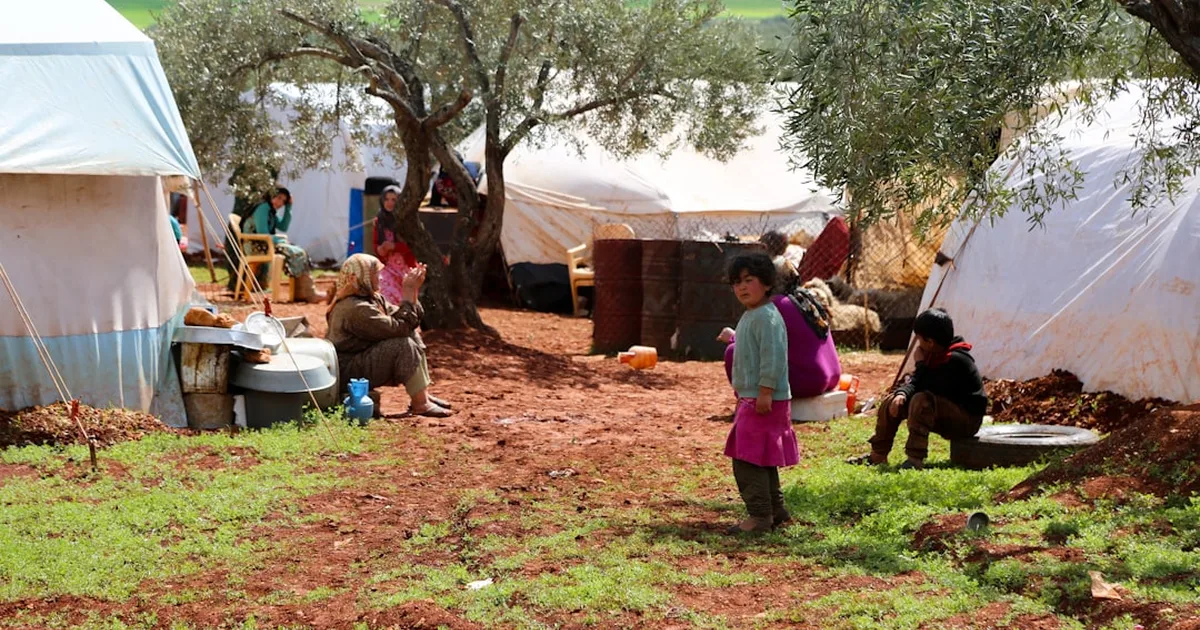
In many parts of the world, Christians are already traveling these alternative routes. I think of missionaries working in difficult contexts, such as in parts of Central Asia or the Middle East. They show us that faith can flourish even in arid soil. Moreover, local Christian communities often become reference points for those in need, offering welcome and solidarity regardless of origin.
"Bear one another's burdens, and so fulfill the law of Christ" (Galatians 6:2). This verse calls us to concrete service that does not stop before borders or blockades.

Comments