
In recent months, the international community has watched with growing concern the plight of over 200 Ethiopian migrants detained in Saudi Arabia, many of whom face the death penalty. According to recent reports from human rights organizations, at least 65 of them are in imminent danger following several executions in recent weeks. Most are young people who fled the civil war in the Tigray region of Ethiopia, seeking a better life. Their story calls out to us as Christians, who are called to be a voice for the voiceless.
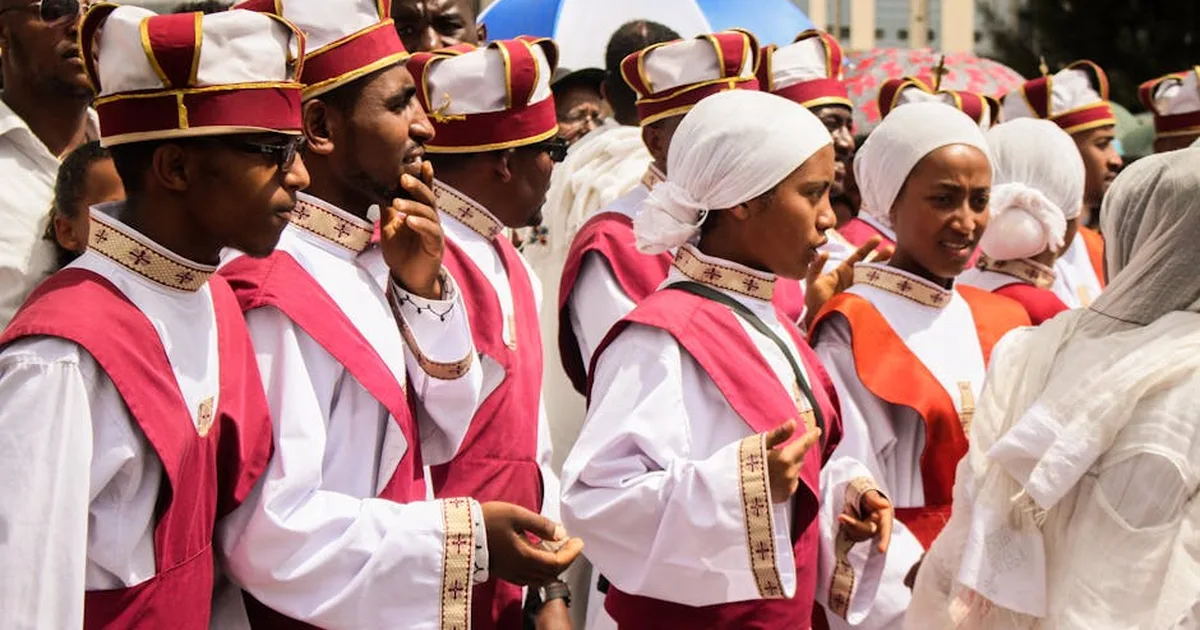
The Ethiopian Church, both Orthodox and Catholic, has issued an urgent plea for diplomatic intervention, asking for a suspension of executions and the guarantee of adequate legal assistance for all detainees. This request is not only political but deeply spiritual: every human life is sacred, created in the image and likeness of God (Genesis 1:27).
The Cry of Migrants: A Call to Action
The Bible constantly reminds us of the importance of welcoming the stranger and protecting the vulnerable. In Leviticus, God says to his people: “The foreigner residing among you must be treated as your native-born. Love them as yourself, for you were foreigners in Egypt” (Leviticus 19:34). These words resonate powerfully today, as thousands flee conflict and poverty, only to find themselves in even greater danger.
The situation in Saudi Arabia is particularly complex: the country has not signed the Geneva Convention on refugees and applies Islamic law (sharia), which prescribes the death penalty for crimes such as murder, drug trafficking, and sometimes even minor offenses. Ethiopian migrants, often lacking documents and legal aid, are extremely vulnerable to arbitrary detention and summary trials.
The Role of the Church and Christian Community
As Christians, we are called to be peacemakers and advocates for justice. The Church, in all its denominations, has a long tradition of defending human rights and supporting migrants. Pope Francis, before his death in April 2025, repeatedly denounced the “globalization of indifference” and urged governments to protect the most vulnerable. His successor, Pope Leo XIV, has continued this path, calling for concrete commitment to peace and justice in the Middle East and Africa.
The Ethiopian Church, in particular, has played a crucial role in negotiating the release of some detainees and providing spiritual and material support to families. However, the scale of the crisis requires a broader, coordinated international response.
Hope Beyond Pain: Testimonies of Faith
Amid such suffering, stories of resilience and faith emerge that remind us of God’s presence even in the darkest situations. Some detainees have recounted how prayer and Bible reading sustained them during detention. A frequently cited verse is Psalm 34:18: “The Lord is near to the brokenhearted and saves the crushed in spirit.”
The Christian community in Ethiopia and the diaspora organizes prayer vigils and fundraisers to support the families of detainees and fund legal aid. These concrete actions are a tangible sign of solidarity that transcends geographical and denominational boundaries.
What Can We Do?
Faced with such a distant crisis, we may feel helpless. But there are concrete actions every Christian can take:
- Pray for the detainees, their families, and those in positions of power, that justice and mercy may prevail.
- Inform yourself and raise awareness about this crisis, sharing information on social media and in faith communities.
- Support Christian and human rights organizations working to defend migrants, through donations or volunteering.
- Write to political and diplomatic leaders, urging urgent humanitarian intervention.
The story of these Ethiopian migrants is not just distant news; it is a call to live our faith consistently, remembering that in every vulnerable person we encounter the face of Christ (Matthew 25:40). May our response always be one of love, justice, and mercy.


Comments