
The recent debate surrounding a film depicting the Badi community in Nepal offers us an opportunity to reflect on universal themes: poverty, social exclusion, and the dignity of every person created in the image of God. The suspension of the film by the Patan High Court has raised deep questions about how society and the Church can respond to historical injustices without falling into the trap of stereotypes.
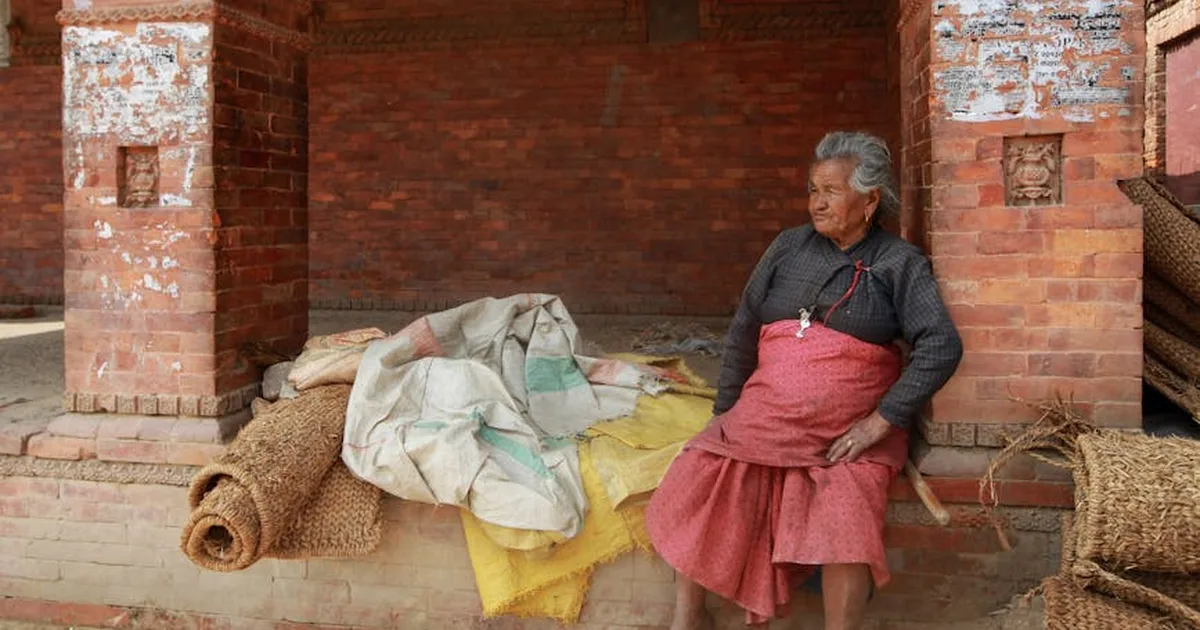
As Christians, we are called to look beyond labels and human categories, to recognize in every face the reflection of the Creator. The story of the Badi, a community traditionally associated with sex work and marked by centuries of discrimination, reminds us how easy it is to judge without knowing, and how necessary it is to have a love that listens and accompanies.
“Do not judge by appearances, but judge with right judgment” (John 7:24, ESV).
This word from the Lord urges us to seek the truth of people, beyond prejudices and simplifications. The film in question, despite its limitations, has had the merit of bringing to light a reality that many would prefer to ignore. Now it is up to us, as a faith community, to transform this awareness into concrete actions of solidarity and justice.
The Context of Caste Discrimination
The caste system, although officially abolished in Nepal, continues to condition the lives of millions of people. The Badi, in particular, are at the bottom of the social ladder, often confined to jobs considered impure and deprived of educational and dignified work opportunities.
Historical Roots and Current Challenges
The Badi community has an ancient history, tied to artistic and musical traditions, but over time it has been progressively marginalized and associated with prostitution. This stigmatization has created a vicious cycle of poverty and exclusion from which it is difficult to escape without structural and cultural intervention.
Badi women and girls are the most vulnerable, often forced to sell their bodies to survive, while men struggle to find work due to prejudice. The Church, in Nepal as elsewhere, is called to be a voice for the voiceless, standing alongside these people with projects of integral development.
“The Lord hears the cry of the poor” (Psalm 34:6, ESV).
We cannot remain indifferent to so much suffering. Every Christian is invited to become a neighbor, like the Good Samaritan, caring for those wounded along the road of life.
The Role of Media and Representation
The issue raised by the film also questions us about the power of media: they can help dismantle stereotypes or, on the contrary, reinforce them. A superficial or sensationalist representation risks further hurting an already struggling community, while a respectful and truthful account can open spaces for dialogue and understanding.
Toward a Redeeming Narrative
As Christians, we have a particular responsibility in how we tell the stories of the least. Our faith teaches us that every person is greater than their sin or social condition. Even those living in morally complex situations deserve to be seen with the eyes of God, who loves unconditionally.
In this sense, the Badi community is not just a sociological case study, but a living icon of human suffering awaiting redemption. The Gospel offers us a powerful lens: the cross of Christ embraces every form of marginalization, and the resurrection proclaims that a different future is possible.
“Blessed are you who are poor, for yours is the kingdom of God” (Luke 6:20, ESV).
These words are not cheap comfort, but a subversive announcement:


Comments