
Indonesia's recent ratification of the ILO convention for fishers marks a significant step toward protecting the rights of millions of often-invisible workers. In a world where labor is increasingly fragmented and precarious, this agreement draws our attention to the value of human dignity in every occupation, even the humblest. The Church, listening to the Gospel, invites us to look with merciful eyes upon those who daily face the dangers of the sea to bring food to our tables.
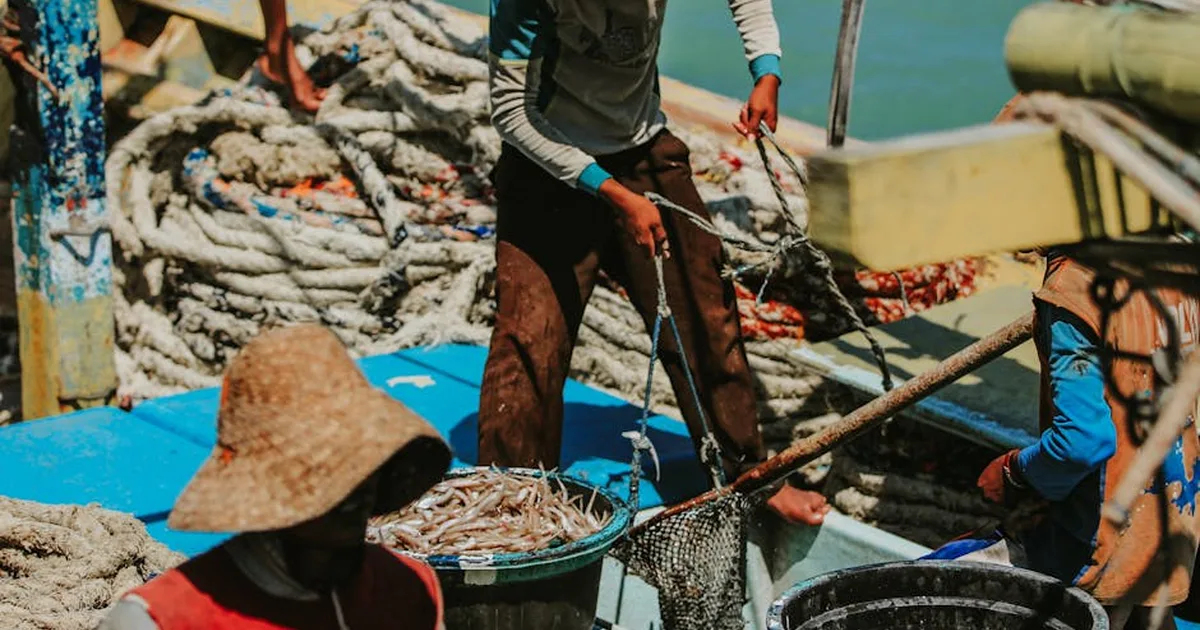
Jesus himself chose fishers as his first disciples, showing us the importance of this trade. In the Gospel of Mark, we read: "As he walked by the Sea of Galilee, he saw Simon and his brother Andrew casting a net into the sea—for they were fishermen. And Jesus said to them, 'Follow me, and I will make you fish for people'" (Mark 1:16-17). This calling reminds us that every job, lived with faith, can become an instrument of proclamation and service.
The convention signed in Jakarta is not just a legal document but a sign of hope for those who often live on the margins of society. Fishers, like many other precarious workers, need protections that recognize their toil and contribution to the community. In times of economic crises and global tensions, initiatives like this remind us that a more just and solidary economy is possible.
Work as Vocation and Service
From a Christian perspective, work is not just a means of livelihood but a vocation, a way to participate in God's creative work. Pope Francis, in his teaching, often emphasized the importance of dignified work for all, denouncing injustices and inequalities. The new Pope, Leo XIV, has also reaffirmed the Church's commitment to social justice, especially toward the poorest and most vulnerable.
The Bible offers many insights into the meaning of work. In the book of Sirach, we read: "Do not hate hard labor or farm work, which were created by the Most High" (Sirach 7:15). Every job, done with honesty and dedication, is pleasing to God. Fishers, with their often hard and sacrificial lives, teach us that faith is embodied in daily life, in the toil of the sea, and in the hope of a bountiful harvest.
The Church, through its organizations and movements, is called to stand alongside these workers, defend their rights, and promote dignified working conditions. The ratification of the ILO convention is a step forward, but much remains to be done. As Christians, we are invited to be a voice for the voiceless, to support struggles for justice and peace.
Global Solidarity in Times of Crisis
News of the convention for fishers comes at a time of great economic uncertainty, with crises in the Gulf affecting Asian economies. In Indonesia, President Prabowo has also announced new protections for delivery riders, signaling growing attention to digital economy workers. In Singapore, the prime minister has asked the population to prepare for prolonged difficulties, while in Sri Lanka the Christian Workers' Fellowship promoted a celebration for Labor Day.
These events remind us that solidarity knows no borders. The Church, as a universal community, is called to live compassion and sharing, especially toward those suffering from economic injustices. Saint Paul exhorts us: "Rejoice with those who rejoice, weep with those who weep" (Romans 12:15). Our faith drives us not to remain indifferent to the suffering of our brothers and sisters but to work for a more just world.
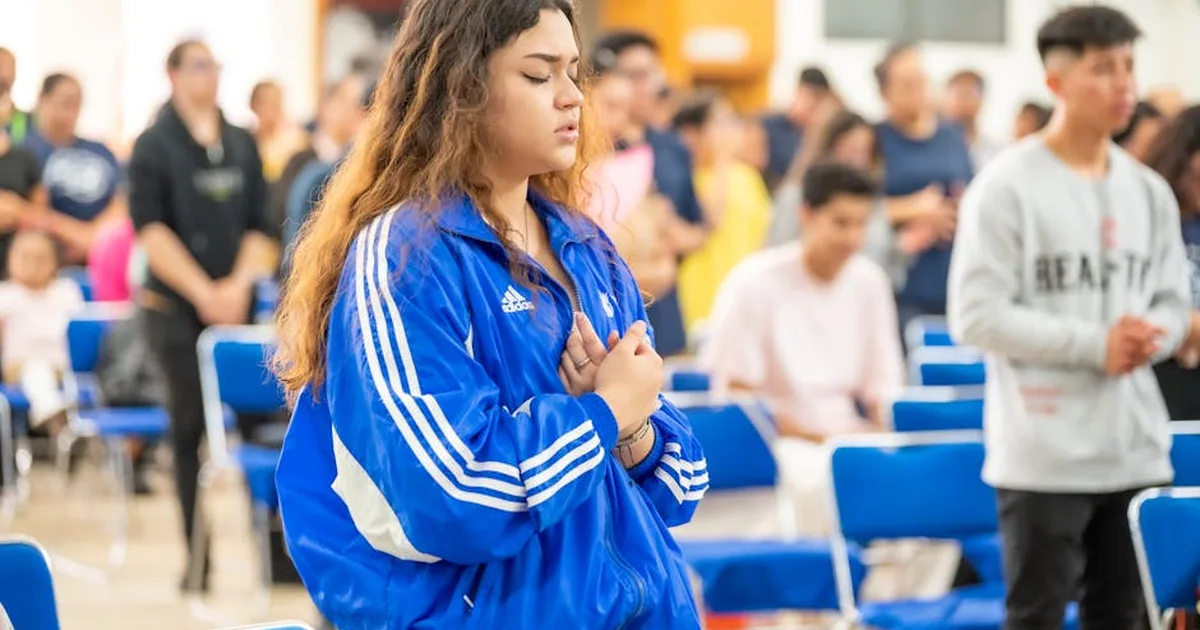
In this context, prayer becomes an act of solidarity and hope. As we lift our supplications to God, we remember all maritime workers, their families, and those striving for dignified work. May the Holy Spirit guide us to be instruments of peace and justice, following the example of Christ, who came to serve and not to be served.


Comments