
The region of Manipur in northeastern India has been shaken by fresh violence between the Naga and Kuki-Zo communities. In a context already scarred by a three-year conflict between the Kuki-Zo and the Meitei, the Nagas—until recently neutral—are now accused of joining the clashes. This escalation has brought death and destruction, pushing the prospect of lasting peace further away.
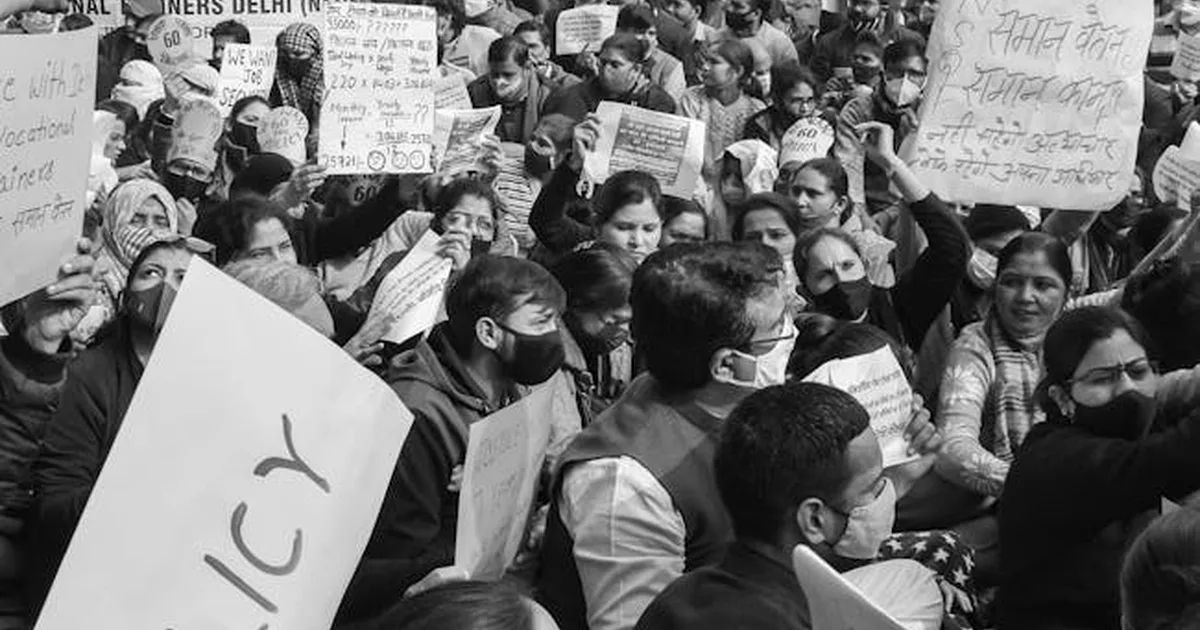
As Christians, we are called to be peacemakers in a world torn by ethnic and political divisions. The situation in Manipur reminds us that the gospel is not just a word of comfort but a concrete commitment to reconciliation. In this article, we will explore the roots of the conflict, the role of the local church, and what the Bible teaches us about peace.
Roots of the Conflict: Ethnicity and Resources
Manipur is a state characterized by a complex ethnic mosaic. The Meitei form the majority in the central valley, while the Naga and Kuki-Zo live mainly in the surrounding hills. Tensions erupted in 2023 when the Meitei sought 'Scheduled Tribe' status, which would grant them access to land and job reservations. The Kuki-Zo, already recognized as a tribe, saw this request as a threat to their rights, sparking violence that has left hundreds dead and tens of thousands displaced.
Now, the Kuki-Zo accuse the Nagas of attacking their villages, breaking a previous non-aggression pact. The Nagas deny any direct involvement, but mutual distrust fuels a seemingly unstoppable cycle of revenge. Local authorities struggle to maintain order, while the central government in New Delhi is criticized for not doing enough to protect minorities.
The Church's Response: A Beacon of Hope
Amid this crisis, the Christian church in Manipur has raised its voice. Pastors and religious leaders from both Catholic and Protestant traditions have condemned the violence and called for an immediate ceasefire. Many churches have become shelters for the displaced, offering food, lodging, and psychological support. Bishop Dominic Lumon of Imphal stated: 'Peace is not just the absence of war, but the presence of justice. We must pray and act so that every human life is respected.'
The Bible calls us to be peacemakers. In Matthew 5:9, Jesus says:
Blessed are the peacemakers, for they will be called children of God. (Matthew 5:9, NRSV)This verse reminds us that peace is not an option but a vocation. In a context like Manipur, where ethnic divisions seem insurmountable, the church is called to witness that in Christ there is no longer Jew or Greek, Naga or Kuki-Zo, but we are all one in Him (cf. Galatians 3:28).
Reconciliation Initiatives
Several Christian organizations, such as the 'Manipur Peace Initiative,' are working to facilitate dialogue between communities. Through interfaith meetings and mediation training programs, they seek to overcome distrust and build bridges. A concrete example is the 'Peace in Schools Project,' which educates young people on peaceful coexistence, teaching them to recognize and respect differences.
Prayer also plays a vital role. Every week, many churches hold prayer vigils for peace in Manipur. Believers invoke the Holy Spirit to bring comfort to victims and conversion to hearts hardened by hatred. As the apostle Paul writes:
Do not be overcome by evil, but overcome evil with good. (Romans 12:21, NRSV)
The Role of the International Community
The crisis in Manipur cannot be resolved only locally. The international community, including global Christian organizations, must pressure for respect of human rights and promote inclusive dialogue. As Christians, we can financially support peace initiatives, pray for the victims, and raise awareness in our own communities. Peace in Manipur is possible if we all work together, guided by the love of Christ that breaks down all barriers.
In conclusion, the violence in Manipur challenges us to live our faith actively. We cannot remain indifferent to the suffering of our brothers and sisters. The church in Manipur sets an example of courage and hope. Let us join them in prayer and action, so that peace, justice, and reconciliation may flourish in this land blessed by God.


Comments