
In a constantly changing world where political alliances form and dissolve rapidly, the Christian community is called to keep its gaze fixed on what is eternal. The recent political transition in Hungary, with its change of government after years of stable leadership, offers us an opportunity to reflect on how faith can illuminate our understanding of social and political changes. As believers, we know that "Jesus Christ is the same yesterday and today and forever" (Hebrews 13:8, NIV), a truth that anchors us amid the world's fluctuations.
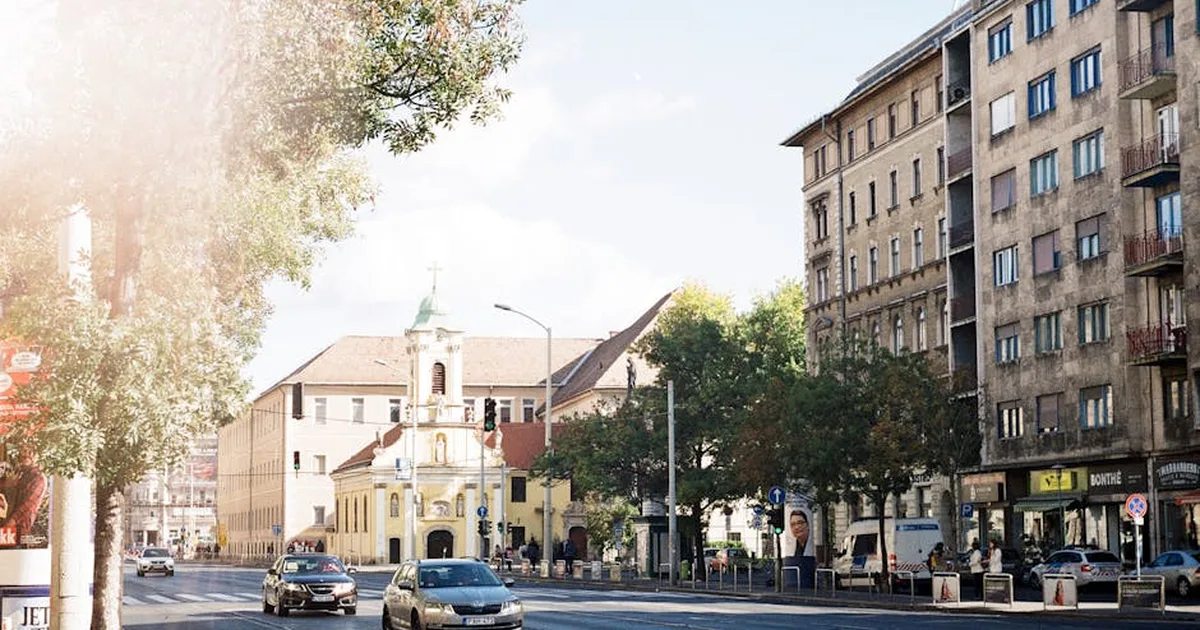
The Church's mission is not tied to particular political configurations but extends through all seasons of human history. Pope Francis, who passed away in April 2025, often reminded us that the Church is called to be "a field hospital" for suffering humanity, without distinctions. Today, under the guidance of Pope León XIV, this mission continues with renewed vigor, inviting us to live our faith authentically and transformatively.
Christian Mission in Changing Political Contexts
When winds of political change blow across a nation, the Christian community has the opportunity to witness to the constancy of God's love. The Bible reminds us that "here we do not have an enduring city, but we are looking for the city that is to come" (Hebrews 13:14, NIV). This perspective frees us from excessive attachment to any temporary political system, allowing us to serve with freedom and discernment.
In Hungary, as in every nation experiencing political transitions, Christians are called to be bridge-builders and promoters of reconciliation. Service to the community should not depend on political sympathies but on responding to Jesus' invitation: "Love your neighbor as yourself" (Mark 12:31, NIV). This love becomes concrete through commitment to justice, compassion toward the vulnerable, and respectful dialogue between different worldviews.
International Relations Through a Gospel Lens
The dynamics between nations, including those between Hungary, the European Union, and global partners like China, can be observed through the lens of Christian values. The Bible teaches us to seek peace and build relationships based on justice and mutual respect. The prophet Micah reminds us: "He has shown you, O mortal, what is good. And what does the Lord require of you? To act justly and to love mercy and to walk humbly with your God" (Micah 6:8, NIV).
In an interconnected world, Christians have the responsibility to pray for rulers and to work for international relationships that respect the dignity of every person. This commitment transcends immediate economic interests to embrace a broader vision of global common good.
Christian Service Beyond Political Divisions
The heart of Christian mission beats for selfless service, especially toward those most in need. Jesus showed us this path when he said: "For even the Son of Man did not come to be served, but to serve, and to give his life as a ransom for many" (Mark 10:45, NIV). In times of political transition, this service becomes even more crucial, offering stability and hope where human structures may falter.
In Hungary, as in every society, there are needs that go beyond political affiliations: the loneliness of the elderly, the struggles of families, the challenges young people face in searching for meaning. The Christian community is called to respond to these needs with creativity and perseverance, remembering that "love never fails" (1 Corinthians 13:8, NIV).
Building Resilient Communities
Local churches have the unique opportunity to create spaces of encounter and dialogue where people from different political perspectives can gather around shared values. Community resilience is built when we cultivate trust, practice hospitality, and commit to the wellbeing of all our neighbors, regardless of their political views.
In this process, prayer plays a fundamental role. Praying for our leaders, for peace in our nation, and for wisdom in decision-making keeps us rooted in the ultimate source of all authority and guidance. As the apostle Paul teaches: "I urge, then, first of all, that petitions, prayers, intercession and thanksgiving be made for all people—for kings and all those in authority, that we may live peaceful and quiet lives in all godliness and holiness" (1 Timothy 2:1-2, NIV).


Comments