
In a world marked by conflict and division, the search for peace becomes an urgency for every believer. Christians and Buddhists, despite their differences, share the conviction that authentic peace cannot be imposed from the outside but must spring from the depths of the human heart. As Psalm 34:14 reminds us: "Seek peace and pursue it." This is not a passive attitude but an active commitment that requires courage and perseverance.

Interreligious dialogue is not just an exchange of ideas but a life experience that transforms. When we open ourselves to the other, we recognize that peace is a gift to be cultivated together. The Christian tradition, with its message of reconciliation, and the Buddhist tradition, with its emphasis on compassion, can walk side by side to break the cycle of suspicion and open paths where there seemed to be none.
Prayer and Meditation as Sources of Inner Peace
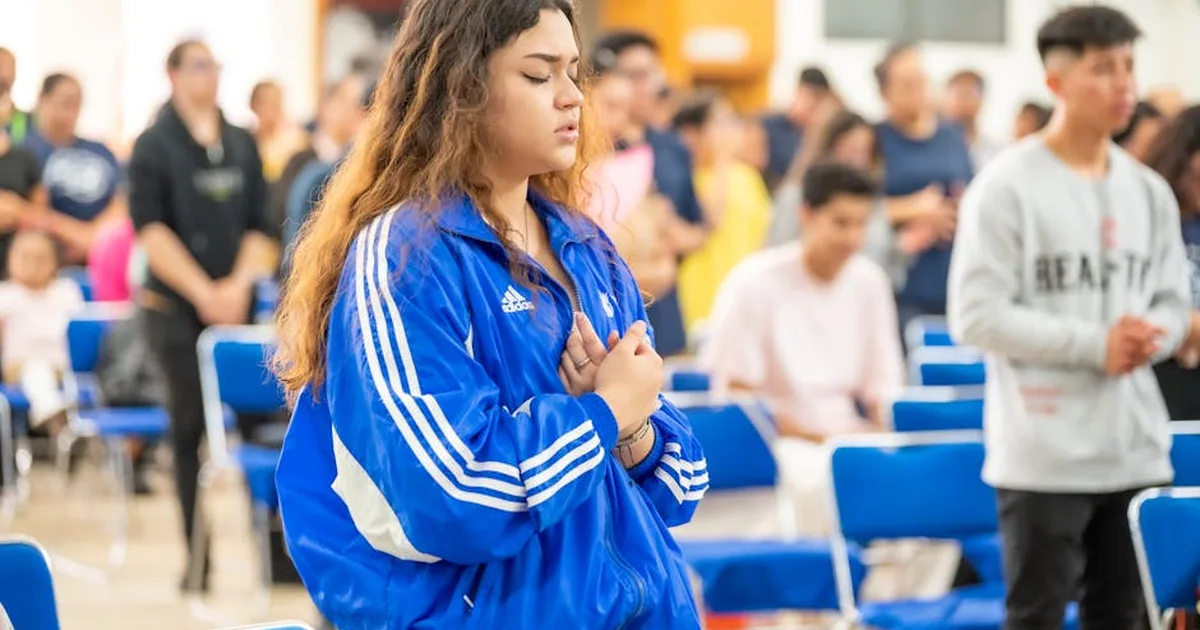
Outer peace is impossible without inner peace. Jesus himself taught us: "Blessed are the peacemakers, for they will be called children of God" (Matthew 5:9). But how can we be peacemakers if our hearts are troubled? Christian prayer and Buddhist meditation, though different in form, help us find that center of calm from which peaceful action can flow.
The Role of Inner Transformation
Inner transformation is not a luxury but a necessity. Paul exhorts us: "Do not be conformed to this world, but be transformed by the renewing of your minds" (Romans 12:2). This renewal allows us to see the other not as an enemy but as a brother. The Buddha also taught that the true victory is to conquer oneself, not others.
When we pray or meditate, we listen to a voice greater than our own. In that silence, we learn to lay down the weapons of pride and resentment. It is a path that takes time but yields fruits of lasting peace.
Concrete Actions for a Disarmed and Disarming Peace
Peace is not just an ideal; it is built through daily gestures. Authentic interreligious dialogue produces concrete actions. Here are some ways Christians and Buddhists can collaborate:
- Joint prayer initiatives: organize moments of prayer for peace, respecting different traditions, but uniting hearts in the same intention.
- Shared service projects: work together to help the poor, refugees, and the sick, witnessing that love is stronger than any division.
- Peace education: promote programs in schools and communities that teach nonviolence and mutual respect, based on Scripture and the teachings of the wise.
These actions are not merely symbolic; they have the power to transform relationships and create a culture of peace. As the prophet Isaiah says: "They will beat their swords into plowshares" (Isaiah 2:4). Every small gesture of peace is a step toward God's dream for humanity.
The Contribution of Scripture to Peace
The Bible is rich with teachings on peace. In the New Testament, Jesus leaves us his peace: "Peace I leave with you; my peace I give to you. I do not give to you as the world gives" (John 14:27). This peace is not the absence of conflict but fullness of life in harmony with God and others.
Buddhist texts, such as the Dhammapada, also invite us to overcome hatred with love: "Never in this world does hatred cease by hatred; hatred ceases by love. This is an eternal law." There is a surprising convergence between these teachings: both call us to break the spiral of violence with the power of goodness.
"Blessed are the peacemakers, for they will be called children of God" (Matthew 5:9).




Comments