
In an era marked by international tensions and regional conflicts, the Christian community's vocation to reconciliation resonates with particular urgency. As we observe the complex geopolitical dynamics involving various nations, we remember that our identity in Christ transcends earthly boundaries. The universal Church is called to be an instrument of peace, carrying the message of reconciliation that finds its source in God. As the apostle Paul states:
"All this is from God, who reconciled us to himself through Christ and gave us the ministry of reconciliation." (2 Corinthians 5:18, NIV)This ministry is not reserved only for religious leaders but is a calling for every believer who desires to follow in the footsteps of the Prince of Peace.

The Biblical Model of Mediation
Scripture offers us numerous examples of figures who served as mediators in complex situations. Abraham intercedes for Sodom, Moses mediates between God and the people of Israel, and Jesus himself is the supreme mediator between God and humanity. These models teach us that authentic mediation requires:
- Humility in recognizing our position before God
- Wisdom in listening to all involved parties
- Courage to speak difficult truths when necessary
- Patience in understanding that reconciliation processes take time
In the context of international relations, biblical principles of mediation can inspire approaches that seek not only political solutions but also healing in relationships between peoples and nations.
Prayer as the Foundation of Dialogue
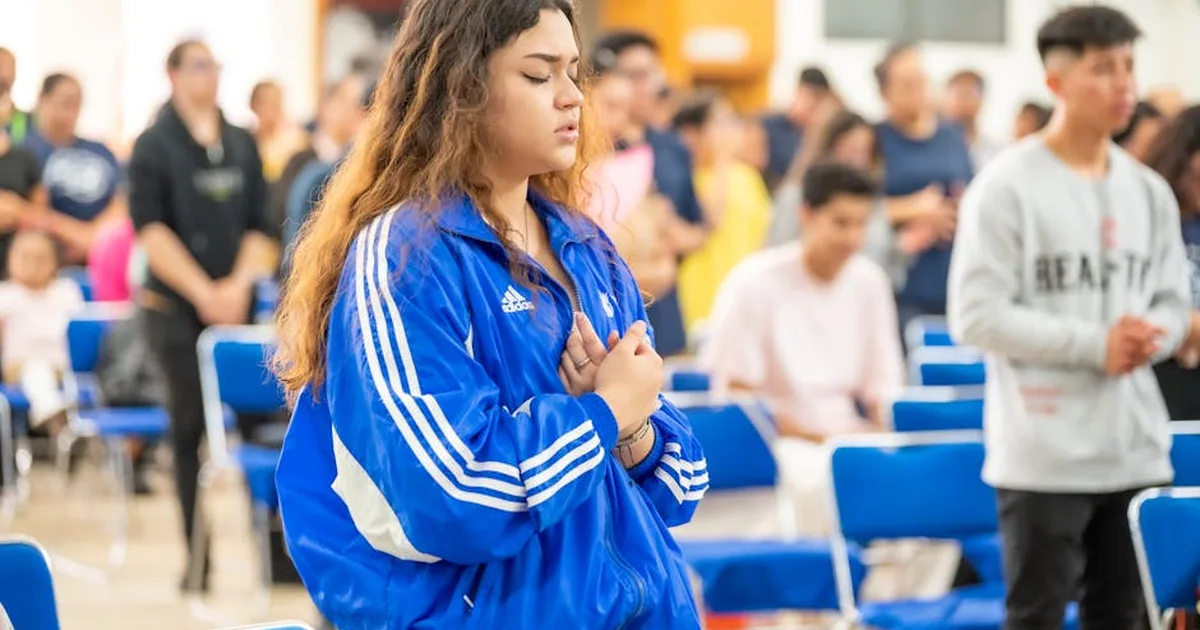
Before any practical action, the Christian community is called to pray for rulers and for peace in the world. The apostle Paul urges us:
"I urge, then, first of all, that petitions, prayers, intercession and thanksgiving be made for all people—for kings and all those in authority, that we may live peaceful and quiet lives in all godliness and holiness." (1 Timothy 2:1-2, NIV)This prayer is not a passive activity but an active commitment that:
- Recognizes God's sovereignty over nations
- Creates in us a compassionate heart toward all peoples
- Prepares us to be instruments of peace in our communities
- Reminds us that true peace comes from Christ
Serving Beyond Divisions
Authentic Christian service knows no political or cultural boundaries. Jesus showed us how to love and serve even those considered enemies or strangers. In current international tensions, the Church has the opportunity to demonstrate a love that surpasses divisions, remembering that:
"There is neither Jew nor Gentile, neither slave nor free, nor is there male and female, for you are all one in Christ Jesus." (Galatians 3:28, NIV)This fundamental principle calls us to see every person, regardless of nationality or political affiliation, as a being created in God's image and for whom Christ died.
Historical Examples of Christian Mediation
Church history offers numerous examples of believers who served as mediators in difficult contexts. From monks who preserved culture during barbarian invasions, to missionaries who built bridges between different cultures, to contemporary ecumenical leaders working for unity among Christian denominations. These stories remind us that the Christian faith has always had a public and social dimension, contributing to the common good through service and mediation.
Practical Application: Becoming Peacemakers
How can we, in our daily lives, contribute to reconciliation and dialogue? Here are some practical ways:
- Cultivate authentic relationships with people from different backgrounds
- Practice active listening without prejudice
- Participate in community initiatives that promote mutual understanding
- Be voices of moderation and wisdom in our spheres of influence
- Support organizations working for justice and peace
The Church, guided by the Holy Spirit and under the pastoral leadership of Pope Leo XIV, continues its mission to be salt and light in the world. In times of global tension, we remember that our ultimate hope is not in human solutions but in the transformative power of the gospel that reconciles humanity to God and to one another.




Comments