
While international attention is fixed on negotiations between the United States and Iran, a silent humanitarian crisis unfolds at the borders of Asia. Pakistan, in a mass expulsion operation, has forced over 146,000 Afghans to leave the country, many of whom held valid documents. Women, children, and the elderly live in hiding, terrified at the prospect of being sent back to an Afghanistan where the Taliban hold power and persecution is a daily reality.
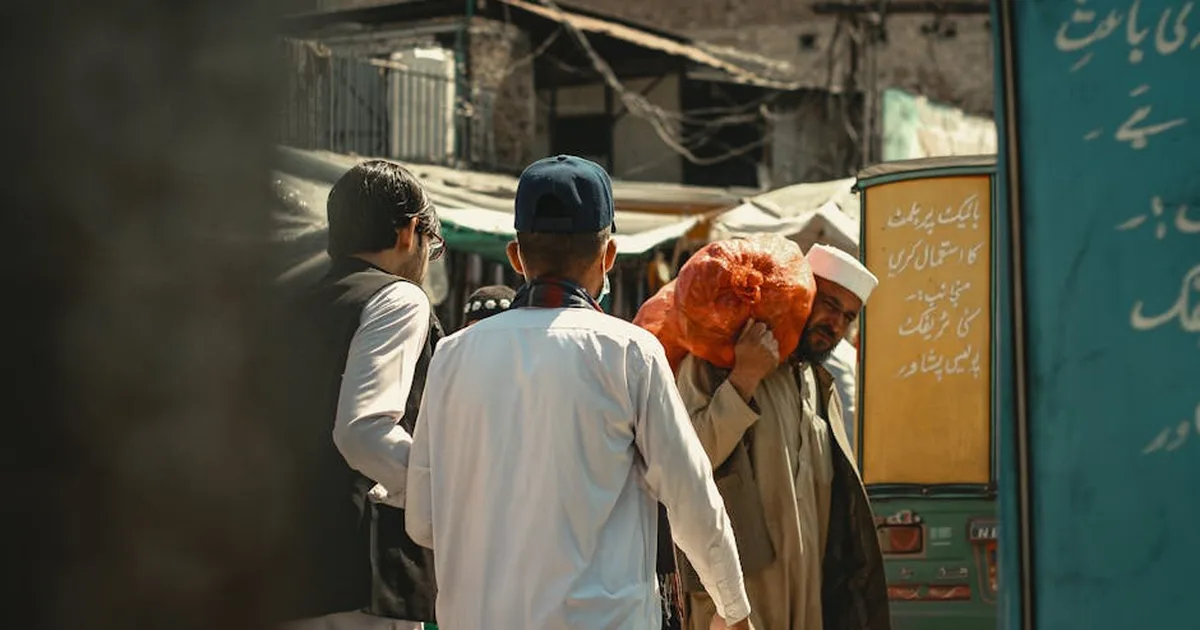
This situation calls to mind the words of the Lord Jesus:
“I was a stranger and you welcomed me” (Matthew 25:35, ESV).
The Christian community is called not to turn a blind eye to these injustices. The ecumenism we promote on EncuentraIglesias.com reminds us that love for neighbor knows no borders or denominations.
The Refugee Situation: Between Fear and Hope
According to Human Rights Watch, warrantless arrests and deportations also affect those with regular residency permits. Journalists, activists, and former collaborators of the previous Afghan government are particularly vulnerable: they risk persecution and retaliation from the Taliban if forced to return. Their fear is well-founded, and the international community seems distracted by other priorities.
In Qatar, over a thousand Afghans are waiting in precarious conditions, with the United States wanting to relocate them to Congo. But this solution is only a temporary fix that does not address the root of the problem: the lack of dignified reception and stable integration pathways.
The Christian Response: Welcome and Justice
The Bible speaks clearly:
“Do not oppress the foreigner; you yourselves know how it feels to be foreigners, because you were foreigners in Egypt” (Exodus 22:21, NIV).
Christian faith urges us to see in every refugee not a problem, but a brother or sister to be welcomed. Local churches in Pakistan and other transit countries are doing their part, offering shelter and food, but the need is immense. We can support these initiatives with prayers and donations, and above all by raising our voices to demand more humane migration policies from governments.
Let us not forget that Pope Francis, before his passing, repeatedly urged us not to build walls but bridges. Today, Pope Leo XIV continues on this path, reminding us that mercy is the heart of the Gospel.
How Can We Act?
Here are some concrete steps we can take as a faith community:
- Pray for Afghan refugees and those working alongside them.
- Support Christian organizations that assist refugees, such as Caritas or the Refugee Service of the World Council of Churches.
- Inform ourselves and raise awareness in our communities about the issue of welcome.
- Write to our political representatives to call for just migration policies.
A Final Reflection
Dear reader, we invite you to pause for a moment and ask yourself: what would I do if I were in the shoes of those 146,000 Afghans? How would I want to be treated? The answer to these questions can transform our faith into action. The Gospel calls us to be salt and light, even in the midst of these tragedies. Let us not look away: every small act of welcome is a seed of hope that God can make grow.


Comments