
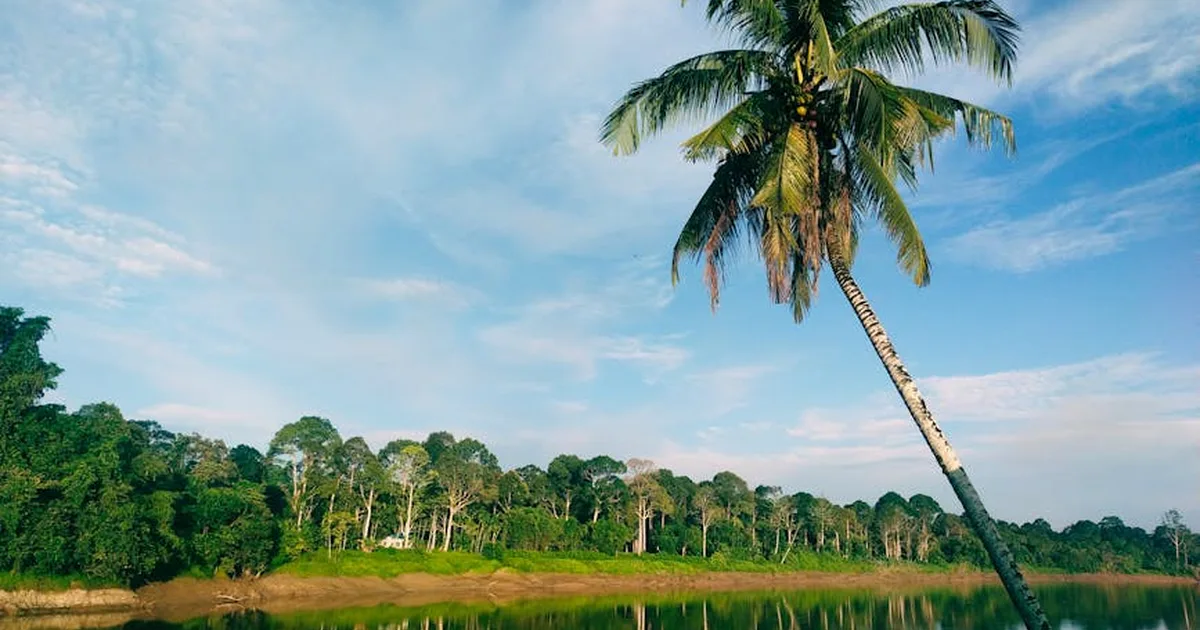
In the vastness of North Kalimantan, among the Dayak communities inhabiting the forests of Borneo, Father Natalino Beringhieri, a priest of the Oblates of Mary Immaculate, passed away at the age of eighty-three. Nearly fifty years of his life were dedicated to these peoples, on a journey that led him not only to serve but to become an integral part of their reality. By taking the name Wan Abung, he chose to live mission as incarnation, following the example of Paul who wrote: "I have become all things to all people so that by all possible means I might save some" (1 Corinthians 9:22 NIV).
His story deeply challenges us in the current ecclesial context, where Pope Leo XIV, elected in May 2025 following the passing of Pope Francis in April of the same year, continues to call the Church back to its missionary essence. In a time when geographical boundaries blur with digital ones, Father Natalino's experience reminds us that the heart of mission remains personal encounter, deep listening, and sharing daily life.
The Art of Inculturation: Recognizing the Seeds of the Word
Father Natalino lived with a profound conviction: authentic mission begins by recognizing what God has already sown in hearts and cultures. "Valuing the history and places of the people I serve" was for him not just a principle but a daily practice. This approach resonates with the words of Vatican II in Gaudium et Spes, which invited us to "recognize with joy and respect the seeds of the Word" present in diverse cultures.
Among the Dayak, Father Natalino did not present himself as one bringing a foreign truth, but as one seeking together with them the greater Truth. His mission thus became a dialogue between the richness of Christian tradition and the ancestral wisdom of the Dayak people. In this, he reminds us that every culture holds precious insights into the human and the divine, as Paul writes: "What may be known about God is plain to them, because God has made it plain to them" (Romans 1:19 NIV).
The Name Wan Abung: Symbol of a Radical Choice
The adoption of the name Wan Abung was not a folkloric gesture but a profound theological choice. For Father Natalino, it meant accepting a new identity, given by the community that welcomed him. This name change recalls biblical transformations—from Abram to Abraham, from Simon to Peter—that mark a renewed calling and mission.
In Dayak tradition, a name carries family history, connections to the land, and community relationships. Becoming Wan Abung meant for Father Natalino entering this web of relationships, taking on responsibilities toward the community, sharing joys and sufferings. His life shows us that the most effective mission is born from authentic friendship and sharing a common destiny.
Mission as Service to Integral Human Development
Father Natalino understood that proclaiming the Gospel could not be separated from promoting human dignity. Among the Dayak, his service took concrete form in several dimensions:
- Education and Literacy: recognizing that knowledge is an instrument of liberation and dignity
- Health Promotion: accompanying communities in accessing basic healthcare
- Rights Defense: standing with the Dayak in protecting their land and traditions
- Interreligious Dialogue: building bridges between Christian faith and traditional spiritualities
This integral approach reflects the teaching of Jesus, who "went around doing good and healing all" (Acts 10:38 NIV). For Father Natalino, mission was participation in God's creative and redemptive work, seeking the fullness of life for every person and community.


Comments