
Amid the injustices that still afflict our world, stories emerge that touch the heart and challenge our faith. The experience of a young Christian father, kept in slave-like conditions at a factory, is not merely a tale of suffering but becomes a powerful testimony to human resilience and divine providence. This experience, though dramatic, reminds us that hope's light can shine even in society's darkest corners.
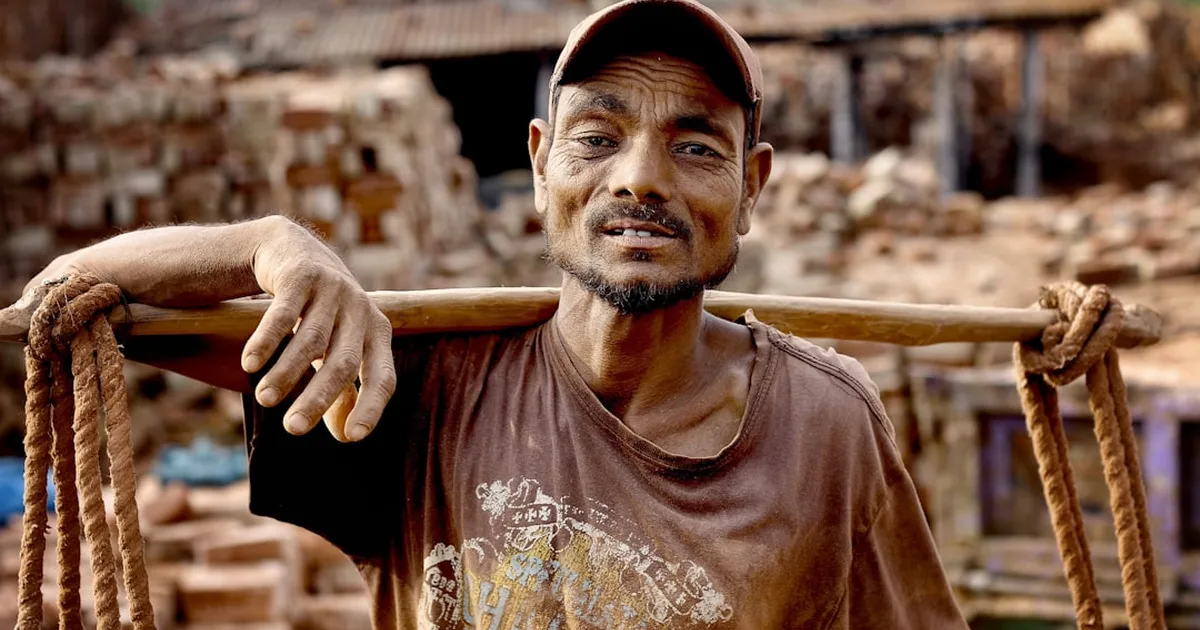
For months, this man lived the harsh reality of labor exploitation—a form of modern slavery that strips people of dignity and freedom. Separated from his family, forced to work without fair compensation, his existence was reduced to mere survival. Yet, precisely in this situation of extreme vulnerability, his faith did not die but continued to burn like a tenacious flame in the wind.
Modern Slavery: An Injustice Challenging Christian Conscience
This father's tragic experience is not an isolated case but part of a broader system of injustice that persists in our time. Pope Francis, in his encyclical Fratelli Tutti, reminded us that "various forms of slavery constitute a cruel reality that contradicts this fundamental principle" of human dignity. Pope Leo XIV, in his recent teaching, has also emphasized the importance of protecting society's most vulnerable.
The Bible offers numerous teachings about justice and liberation for the oppressed. The prophet Isaiah proclaims:
"Is not this the kind of fasting I have chosen: to loose the chains of injustice and untie the cords of the yoke, to set the oppressed free and break every yoke?" (Isaiah 58:6, NIV).This verse is not merely historical memory but a moral imperative that still resonates today for every Christian community.
Biblical Roots of the Struggle Against Oppression
From the pages of Exodus, Scripture presents God as liberator of slaves. The story of the Exodus is not only a foundational event for Israel but becomes a paradigm for all liberation from various forms of slavery. The apostle Paul, in his letter to the Galatians, states:
"It is for freedom that Christ has set us free. Stand firm, then, and do not let yourselves be burdened again by a yoke of slavery" (Galatians 5:1, NIV).This freedom Christ gives us is not only spiritual but must translate into concrete commitment to liberate the oppressed.
The Intervention of Justice and Solidarity
This young father's liberation came through the combined intervention of human justice and Christian solidarity. A judge recognized the injustice he suffered, while an organization offered necessary support for social reintegration. This dual intervention reminds us that faith and social justice are not separate dimensions but complement each other in building God's Kingdom.
The Christian community is called to be both prophet and Good Samaritan: it must denounce injustices while simultaneously caring for the wounds of victims. As the apostle James reminds us:
"Religion that God our Father accepts as pure and faultless is this: to look after orphans and widows in their distress and to keep oneself from being polluted by the world" (James 1:27, NIV).Visiting those who suffer means not only bringing spiritual comfort but committing to change the structures that cause suffering.
The Role of Ecclesial Communities
In an ecumenical context like EncuentraIglesias.com, we recognize that all Christian denominations are called to collaborate in the fight against modern forms of slavery. Unity in diversity becomes a powerful force when defending each person's dignity created in God's image. Together, we can create support networks, promote education about labor rights, and accompany those seeking to rebuild their lives after traumatic experiences.
This testimony invites us to reflect on our own commitment to justice. How can we, from our local communities, contribute to eradicating modern slavery? The response begins with awareness, continues with prayer, and materializes in solidarity actions. Every compassionate gesture, every denunciation of abuse, every support for organizations working for freedom are steps toward a more just world according to God's heart.


Comments