
In a world where political violence seems to be multiplying, Christians have a special responsibility: to be agents of peace. Recently, a new incident of violence against an important political figure has been reported, leading many religious leaders to reflect on the role of the church in the midst of conflict. Pope Leo XIV, in his first public statement on the matter, urged believers not to be carried away by hatred or polarization, but to pray for all rulers and seek reconciliation.

The Bible reminds us in 1 Timothy 2:1-2 (NIV): "I urge, then, first of all, that petitions, prayers, intercession and thanksgiving be made for all people— for kings and all those in authority, that we may live peaceful and quiet lives in all godliness and holiness." This passage takes on special relevance today, when the temptation to demonize the other is strong. As followers of Christ, we are called to be bridges, not walls.
Jesus' Example in the Face of Hostility
Jesus himself faced threats and violence. Instead of responding with more violence, he taught: "Love your enemies and pray for those who persecute you" (Matthew 5:44, NIV). This command is not easy, especially when wounds are deep or when the safety of leaders is at risk. Yet the cross shows us that the path of sacrificial love is what overcomes evil.
In the current context, many pastors have expressed concern about the rise of violent rhetoric. Rather than fanning the flames, the church should be a place of refuge where all voices are heard without demonization. As Proverbs 15:1 says: "A gentle answer turns away wrath, but a harsh word stirs up anger" (NIV). Gentleness is not weakness, but a strength controlled by the Holy Spirit.
How Should We Respond as the Body of Christ?
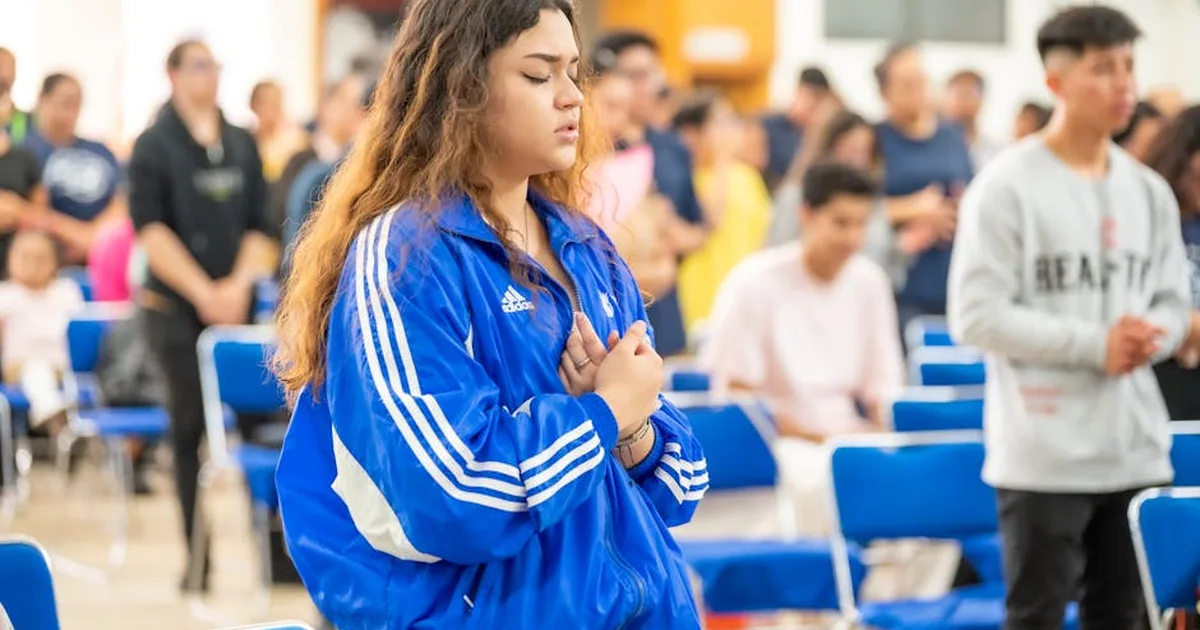
In the face of events that shake political stability, Christians have several spiritual tools at our disposal. First, intercessory prayer. It is not just about asking for protection for one leader, but crying out for wisdom for all who make decisions. Second, fasting and seeking God in community. Third, respectful dialogue with those who think differently.
The apostle Paul exhorts us in Romans 12:18 (NIV): "If it is possible, as far as it depends on you, live at peace with everyone." This implies an active effort to build bridges, even when the other party seems unwilling. The early church grew amidst persecution because it did not respond with violence, but with witness and love.
The Importance of Unity
The new Pope, Leo XIV, has made unity a cornerstone of his papacy. In a recent message, he reminded that "the church is not a political organization, but the body of Christ." This means that although we have different political opinions, we are united by a common faith. Diversity of thought should not break communion.
In Ephesians 4:3 (NIV) we read: "Make every effort to keep the unity of the Spirit through the bond of peace." Unity is not uniformity, but harmony in the midst of diversity. As Christians, we must learn to disagree without disuniting.
"Blessed are the peacemakers, for they will be called children of God" (Matthew 5:9, NIV).
Final Reflection and Call to Action
Dear brother, dear sister: in a world that shouts, we are called to whisper the gospel of peace. Do not let political violence steal your hope or your witness. Pray for your leaders, pray for your enemies, and above all, pray for the church to be light in the midst of darkness. I invite you to take a moment today to pray for peace, to reach out to someone who thinks differently, and to be a living testimony of the love of Christ. Let us be ambassadors of reconciliation in a divided world.


Comments