
If you're preparing your child for their first Communion, you've likely wondered: does my child need to go to confession first? The short answer is yes—the Church's tradition recommends that children receive the sacrament of reconciliation before their first Eucharist. But beyond a requirement, this step is a beautiful opportunity to introduce your little one to God's love and mercy. In this article, we'll explore why confession matters, how to prepare your child, and what the Bible says about it.
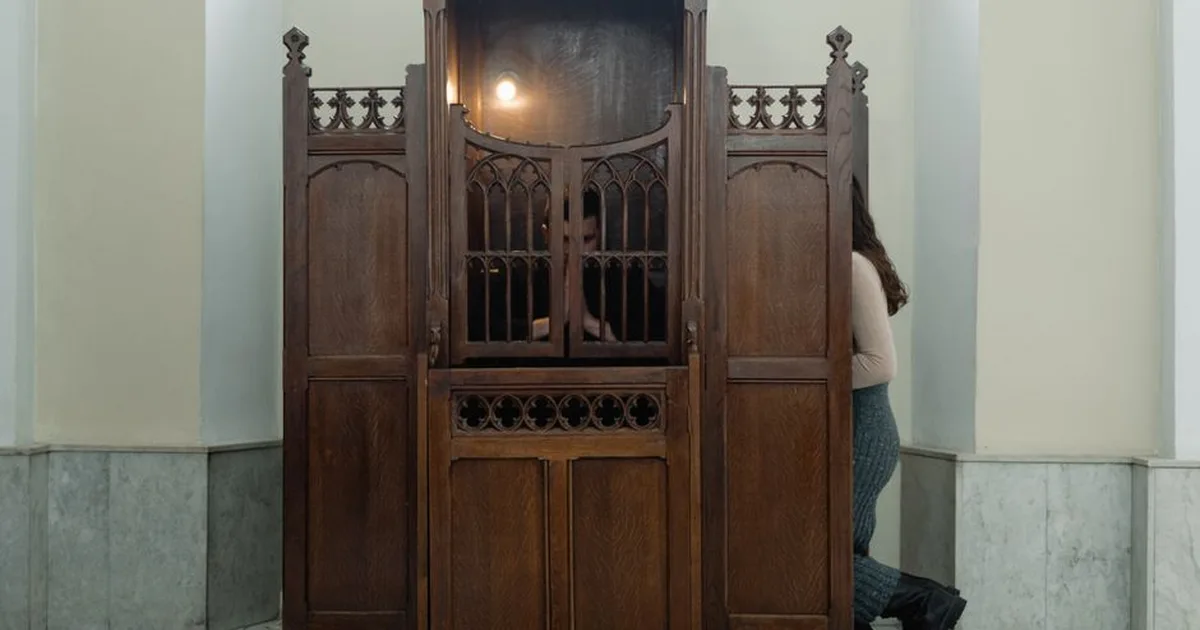
What Does the Church Teach?
The Catholic Church, as reaffirmed by Pope Leo XIV, teaches that children should receive the sacrament of reconciliation before their first Communion. This isn't arbitrary—it's about preparing the child's heart to receive Jesus consciously and in a state of grace. Confession helps children understand that God is always ready to forgive, and that the Eucharist is the food that strengthens our faith journey.
It's important to remember that a child's first confession should not be a time of fear or anxiety. Instead, it should be an encounter with God's love. Parents and catechists have the responsibility to convey this positive, transformative view of the sacrament.
Biblical Foundation for Confession
"Therefore confess your sins to each other and pray for each other so that you may be healed. The prayer of a righteous person is powerful and effective." (James 5:16, NIV)
The Bible invites us to confess our sins as part of a communal life of faith. In the Gospel of John, Jesus gives his apostles the power to forgive sins: "If you forgive anyone's sins, their sins are forgiven; if you do not forgive them, they are not forgiven" (John 20:23). This mandate is the basis for the sacrament of reconciliation in the Church.
For children, confession is an act of humility and trust in God. It teaches them that nothing can separate them from God's love, and that they can always return to Him with a repentant heart.
Preparing Your Child for Confession
1. Talk Naturally About Forgiveness
Before taking your child to confession, talk with them about what it means to ask for forgiveness. Use everyday examples: when they argue with a friend or disobey at home. Explain that God is like a loving father who always welcomes us with open arms.
2. Teach a Simple Examination of Conscience
Help your child reflect on their actions. Ask questions like: Have I been obedient to my parents? Have I shared with my siblings? Have I told lies? Have I taken something that wasn't mine? The goal is for the child to identify their faults without feeling overwhelmed.
3. Practice How to Confess
Explain the steps: greet the priest, make the sign of the cross, say "Bless me, Father, for I have sinned," and then list their sins. Afterward, the priest will give a penance and absolution. Teach them to listen carefully and to say thank you.
4. Accompany Your Child
Go with them to church, wait while they confess, and then celebrate together with a hug or a prayer of thanks. Help them feel that this is an important and beautiful step in their Christian life.
The Day of First Communion
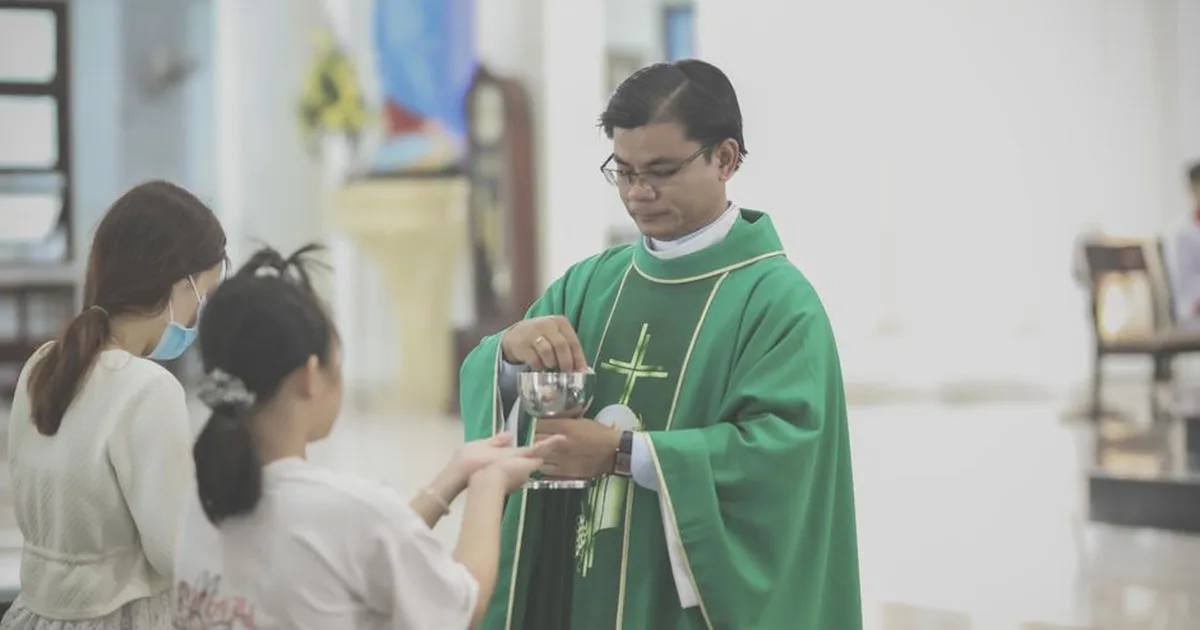
After confession, the child is ready to receive Jesus in the Eucharist. On that day, remind them that Jesus comes into their heart to fill it with love and peace. First Communion is a moment of joy and gratitude, and the prior confession helps the child experience it with full awareness and delight.
At EncuentraIglesias.com, we believe these sacraments are gifts from God to strengthen our faith and unite us as a community. May your child's first confession and Communion be a source of grace and blessing for your entire family.


Comments