
First Communion is one of the most cherished milestones in a Christian child's life. Many families wonder: what is the right age for First Communion? While the answer varies by church tradition, the most common age across Christian denominations is around 7 to 8 years old, when children have enough understanding to grasp the meaning of the sacrament. However, what truly matters is not the exact age, but the spiritual preparation and the child's desire to draw closer to Jesus.
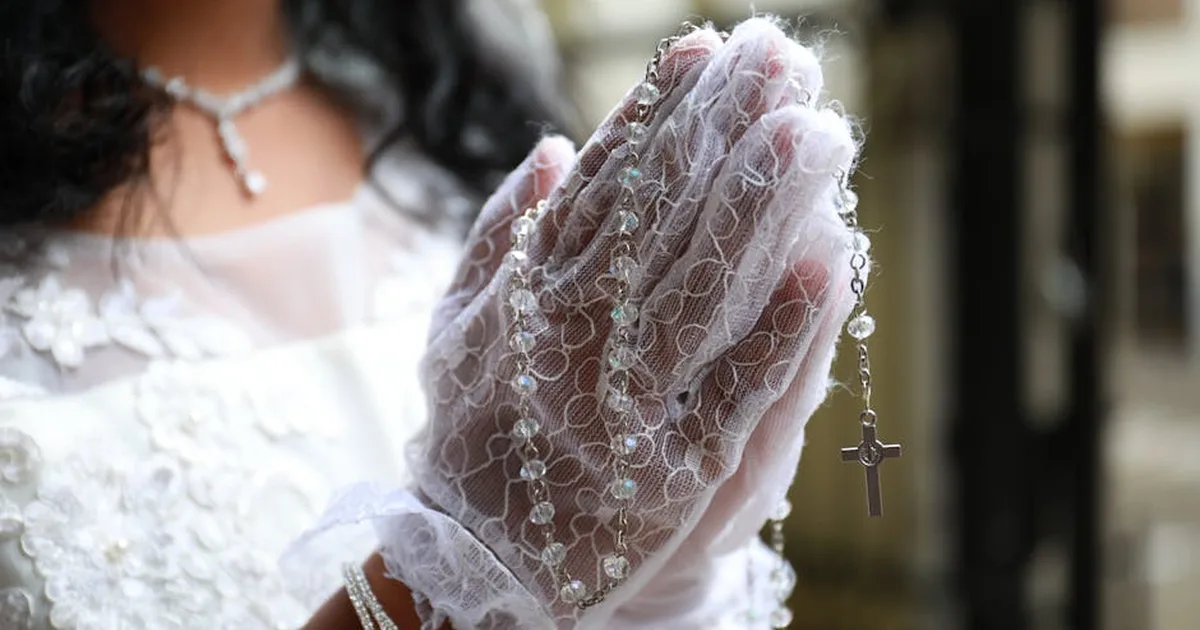
The Ideal Age According to Christian Tradition
In the Catholic Church, the most widespread tradition in Latin America, First Communion is typically received when a child reaches the age of reason, usually around 7. This is based on the Code of Canon Law, which states that children must be adequately instructed and prepared to receive the sacrament. In many parishes, catechesis for First Communion lasts one to two years, starting when children are 6 or 7.
In other Christian traditions, such as evangelical Protestant churches, the age may be slightly older. Some churches celebrate First Communion when a child makes a public profession of faith, which often happens between 10 and 12. However, some churches allow children to participate in Communion from a very young age, accompanied by their parents, as part of faith formation.
Factors to Consider When Deciding the Age
There is no one-size-fits-all rule. Each family and church has its own customs. Some factors that may influence the decision include:
- The child's maturity: More than chronological age, what matters is that the child can understand who Jesus is and what Communion means.
- Catechetical preparation: Most churches offer catechesis programs that prepare the child to receive the sacrament.
- Family tradition: Some families have a custom of celebrating First Communion at a specific age, such as 7 or 8.
- Pastoral guidance: It is advisable to speak with the priest or pastor for guidance on the right timing.
What Does the Bible Say About First Communion?
The Bible does not explicitly mention First Communion as we know it today, but it gives us important foundations about the Lord's Supper. In the Gospel of Luke, Jesus institutes the Last Supper with his disciples:
“He took bread, gave thanks and broke it, and gave it to them, saying, 'This is my body given for you; do this in remembrance of me.' In the same way, after the supper he took the cup, saying, 'This cup is the new covenant in my blood, which is poured out for you.'” (Luke 22:19-20, NIV)
This passage reminds us that Communion is an act of remembrance and gratitude for Jesus' sacrifice. The apostle Paul also exhorts us to examine ourselves before participating:
“Everyone ought to examine themselves before they eat of the bread and drink from the cup.” (1 Corinthians 11:28, NIV)
This leads us to reflect on the importance of the child understanding the meaning of what they are doing. It is not just about fulfilling a rite, but about living a faith experience.
Preparing the Child's Heart for First Communion
Preparation for First Communion goes beyond memorizing prayers. It is a time to cultivate the child's faith and help them develop a personal relationship with Jesus. Here are some practical tips for families:
Talk About Jesus at Home
Catechesis does not end at church. Parents can reinforce what is learned by reading Bible stories together, praying as a family, and talking about God's love in everyday moments. This helps the child see faith as part of daily life.
Participate in Church Activities
Encourage your child to get involved in children's ministry or Sunday school. Being part of a faith community helps them see that they are not alone on their spiritual journey.
Celebrate with Meaning
When the big day arrives, celebrate in a way that honors the spiritual significance. Consider a family gathering with a special meal, rather than an extravagant party. Focus on the joy of receiving Jesus for the first time.
Ultimately, the age of First Communion is less important than the heart behind it. Whether your child is 7 or 12, what matters is that they are prepared, willing, and excited to meet Jesus in this special way.


Comments