
Every year, many people ask, "When is Christmas?" The answer seems simple: December 25. But behind this date lies a rich history and deep spiritual meaning that goes far beyond the calendar. In many parts of the world, Christmas is not just a holiday—it is a time of reflection, family, and joy over the birth of Jesus Christ. Let's explore together why we celebrate Christmas and how this feast can strengthen our faith.
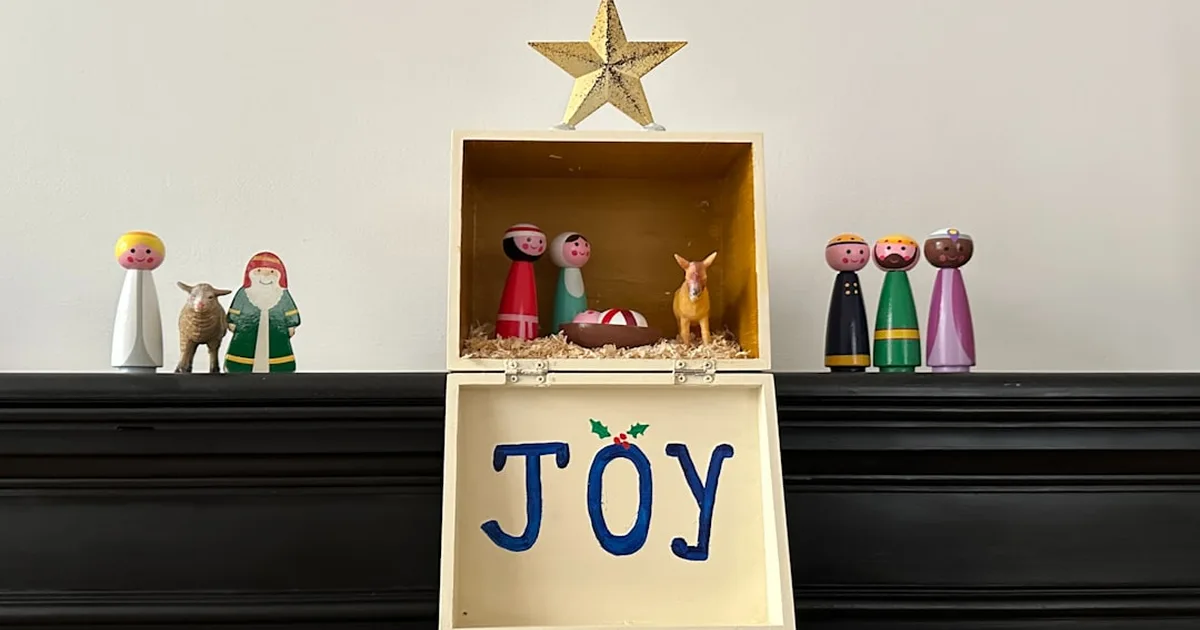
The Date of Christmas: Historical and Theological Background
The question "When is Christmas?" is often answered with December 25. But why this particular day? Early Christians likely set the date of Jesus' birth to counteract pagan festivals like the winter solstice. December 25 was in the Roman Empire the "day of the solstice," when the Unconquered Sun (Sol Invictus) was worshiped. Christians saw in Jesus Christ the true light of the world and therefore celebrated his birth on that day. In many countries, Christmas is celebrated from December 24 to 26, with Christmas Eve (December 24) being the highlight. Many families attend a church service on Christmas Eve and then celebrate at home. December 25 and 26 are days of rest and reflection.
"The Word became flesh and made his dwelling among us. We have seen his glory, the glory of the one and only Son, who came from the Father, full of grace and truth." (John 1:14, NIV)
This verse reminds us that Christmas is more than a date—it is the celebration of God becoming human. The question about the date ultimately leads us to the miracle of Bethlehem.
Christmas Traditions in English-Speaking Countries
In many English-speaking countries, Advent is a special time of preparation. Families set up an Advent wreath and light a candle each of the four Sundays. The Advent calendar, often filled with chocolate or small gifts, helps children (and adults) count the days until Christmas Eve. Christmas caroling, decorating the tree, and hanging stockings are beloved traditions. On Christmas Eve, many attend a church service such as a candlelight service or midnight Mass. Christmas Day is spent with family, opening presents and enjoying a festive meal.
The Role of the Church at Christmas
For faithful Christians, Christmas is not just a cultural celebration but a central event of faith. Churches offer numerous services on Christmas Eve and Christmas Day, from family-friendly nativity plays to solemn midnight Masses. The angel's message to the shepherds—"Do not be afraid. I bring you good news that will cause great joy for all the people" (Luke 2:10, NIV)—is the heart of the Christmas message. It invites us to share the joy of the Savior's birth.
Practical Application: Living Christmas Every Day
The question "When is Christmas?" can also prompt us to reflect on the meaning of the holiday in our own lives. Christmas is not just one day a year but an invitation to carry Christ's light into the world. In our busy lives, we often forget to pause and focus on what truly matters. Here are some practical suggestions for living out the Christmas message:
- Set aside time for prayer and Bible reading during Advent.
- Engage in an act of charity or help those in need.
- Share the story of Jesus' birth with your children or loved ones.
- Attend a church service on Christmas Eve to celebrate in community.
May this Christmas be a time of spiritual renewal and encountering the love of God made flesh.

Comments